Eight months of real work
A furnace in Sandusky runs from October through May. Not just on the coldest days, the whole stretch. One check before that starts covers the whole run.
Takes about a minute. No obligation.
A furnace in Sandusky runs from October through May. Not just on the coldest days, the whole stretch. One check before that starts covers the whole run.
Overnight lows average 23°F through December, January and February. A furnace that hasn't been checked has to hold that line with no warning if something's wrong.
The furnace starts working hard in October. No slow start to the season.
Get it checked in September. That way nothing's wrong with it when October comes and it has to run.
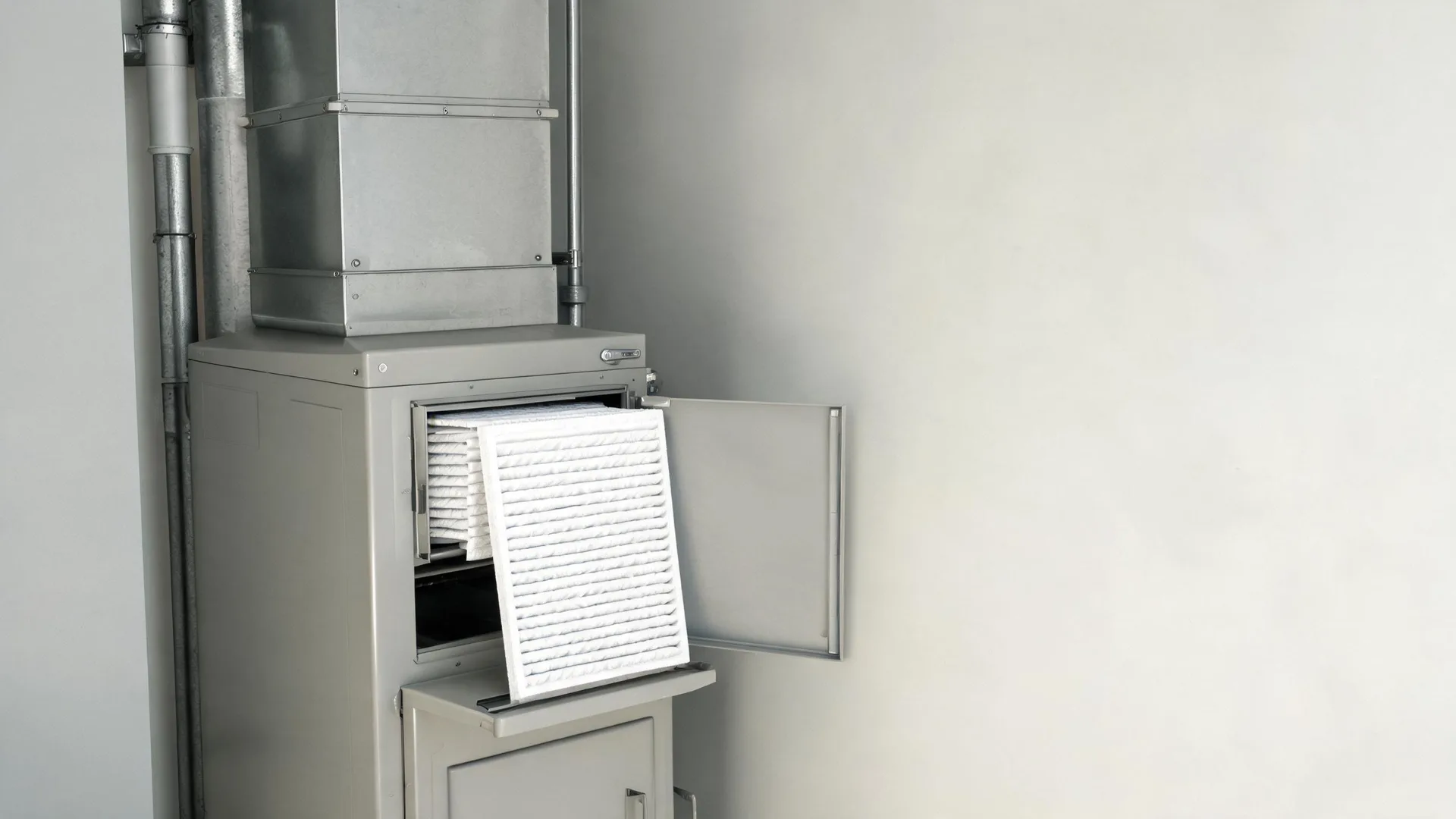
Between visits, check the filter once a month and swap it when it looks gray or clogged. A dirty filter chokes airflow, and the furnace runs hotter and longer to push heat through it. Walk past the vent hood and intake pipe outside and clear away leaves or snow so they can breathe. Keep the area around the furnace clear too, nothing stacked against it or blocking the return air grille. If you hear a new sound, a rattle, a click that wasn't there before, or notice a room running cold, that's worth a call rather than a wait. Past that, leave the burners, the igniter and the flue alone. That's the part of the job that needs a gauge and a trained eye, not a homeowner's hand.
Natural gas ran $12.89 per million Btu in Ohio last year. That's what the furnace is burning all winter to keep the house warm. Worth having it checked once rather than letting it run on its own. One visit, done right, before the cold settles in. That's all it takes.
Find a contractor
A newer furnace and an older one wear out in different spots. On a newer furnace, watch the igniter and the flame sensor. They cycle every time the thermostat calls for heat, and they build up a coating over time. Eventually the furnace has to try more than once before it lights. On an older furnace, the heat exchanger is the concern. That's the metal that warms the air without letting combustion gases mix into it. Heating and cooling it over and over wears it out, the same way bending a wire over and over weakens it. A yearly check catches a failing sensor before it leaves the house cold. It also catches a cracked exchanger before that repair turns into a full replacement.
A burner that's never been cleaned starts to burn dirty, and the flame goes from a steady blue to one that flickers yellow. That flame now lays soot inside the heat exchanger instead of burning clean through it, and the soot holds heat against the metal longer than it was built for.
A furnace that skips its yearly check doesn't fail all at once. Airflow drops a little, the flame changes color, a sensor starts hesitating, and each one alone seems small enough to ignore. Nothing forces the issue until the furnace is asked to run hardest, and by then the small problems have had all season to become one big one.
A gauge on the gas line shows whether the furnace is burning at the right pressure. A thermostat can't tell you that. Too high, and the heat exchanger takes more heat than it should. Too low, and the flame can't warm the air right. Neither one shows up as something you'd notice from the next room. Amp draw on the blower motor works the same way. That number climbs months before the motor quits. Inside the cabinet, a tech checks the flue connection too, because a joint that's worked loose lets gas drift somewhere other than up and out. None of this makes a sound or a smell or a cold room. Not yet. That's the point of the yearly check. Catch it before the furnace starts complaining.
A tune-up starts with the furnace off and taken apart, not running. The burner assembly comes out, and each burner gets cleaned so the flame sits even and blue across every port, instead of yellow and flickering. The igniter gets checked for cracks. It's a thin piece of ceramic doing its job every time the thermostat calls for heat, and it doesn't give much warning before it fails. The blower wheel gets checked for dust buildup, because a dirty wheel moves less air for the same amount of work. Gas pressure gets set to the number the furnace was built to run at, not guessed at. Then it goes back together and gets tested running, not just looked over sitting still.