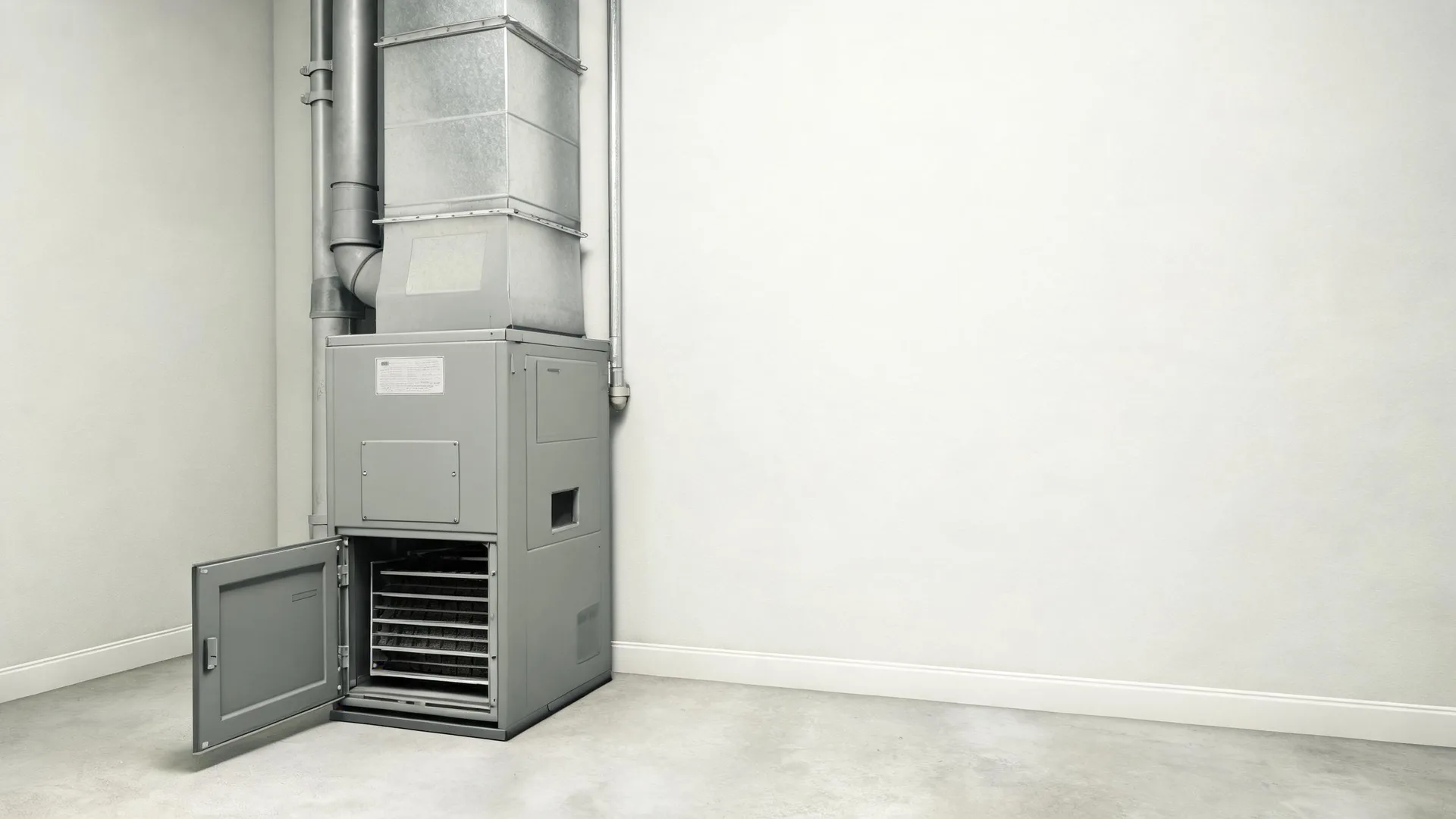
Eight months of work a year
A furnace in Canton runs from October through May. That's most of the year. December, January and February bring overnight lows averaging 22°F, so it's not running lightly either.
Takes about a minute. No obligation.
A furnace in Canton runs from October through May. That's most of the year. December, January and February bring overnight lows averaging 22°F, so it's not running lightly either.
Get the furnace checked once, before October. That catches what would otherwise show up on the coldest nights. No need to check it more than that.
The furnace starts working hard as soon as October hits.
Get it checked in September, so it starts the season running right.


A quick tune-up checks that the furnace turns on and the flame looks right. A thorough one pulls the burners and cleans them, checks the flame sensor instead of just glancing at it, and tests the pressure switch and limit switch while the furnace is actually calling for heat. The technician should pop the blower compartment and check the wheel for dust buildup. A dirty blower wheel cuts airflow even when everything else is fine. Amp draw on the blower motor gets checked against the nameplate, not just eyeballed. The heat exchanger gets inspected for cracks or rust-through. That's the part that matters most, and the one a rushed visit skips. If nobody opens the cabinet and takes a reading, it was a glance, not a tune-up.
Most homes in Stark County heat with gas, 77.1 percent of them. A gas furnace burns fuel to make heat. That means the burner, the venting, and the safety controls need a yearly check, not just a new filter. That's the part of the job that matters most before the furnace goes back to work.
Find a contractor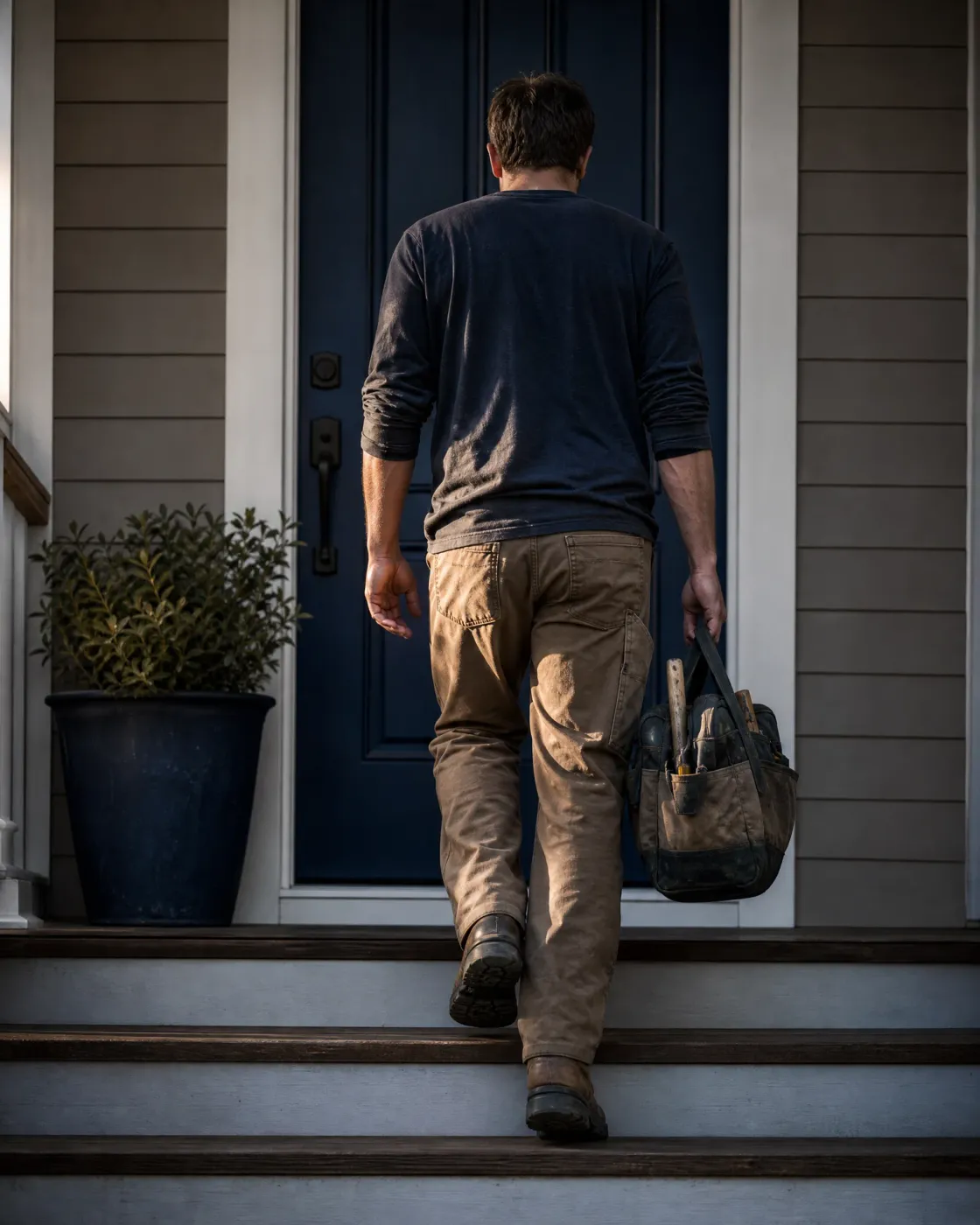
The filter is the one thing worth doing yourself. It matters more than the brand on the furnace. A clogged filter starves the blower for air, and a furnace that can't pull enough air back in runs hotter than it should. Check it every month, more often if there's a pet shedding into the return. Hold it up to a light. If light doesn't come through, it's done. Past the filter, leave the cabinet closed. Keep the area around the furnace clear so it can draw air the way it's built to. Don't stack boxes against the side panel. If the flame looks like anything other than steady blue, or there's a new sound when it kicks on, that's not something to fix between visits. That's for the technician.
A furnace burns gas and moves air. Unlike an air conditioner, it has no evaporator coil and no drain to clog, so none of the moisture problems that stop cooling systems apply here. What a furnace does have is a heat exchanger, and that's the part a filter check can't tell you anything about.
Everything else, the burner, the flame sensor, the pressure switch, sits inside a closed cabinet and needs a technician to open it up and test it under a real call for heat. The filter is different. It sits in the open, it's meant to be pulled and checked, and it's the one piece of upkeep that falls to whoever lives in the house, every month the furnace is running.
A technician catches things a homeowner would never spot from the kitchen. Combustion gas is supposed to go up the vent and out of the house, every bit of it. A cracked heat exchanger lets some of it leak into the air the blower pushes through the ducts, and nothing in the house signals that it's happening. Checking for it means pulling the burners and looking at the metal itself, not just running the furnace and listening to it. Flame color matters too. A yellow flame instead of a steady blue one means the fuel isn't burning clean, and that only shows up in a visual check, not in how warm the house feels. None of this changes how the furnace sounds or how the house feels day to day. It only shows up when someone opens the cabinet and looks.
A tune-up ends with the furnace put back together and run through a full cycle, not just opened up and closed again. The technician should watch it fire, hit the blower, and run until the thermostat is satisfied, the same way it will on a cold night with nobody watching. That's when a weak pressure switch or a flame that rolls instead of sitting steady tends to show itself. Static pressure gets checked too, since that number says whether the duct system is letting the furnace breathe or fighting it the whole time it runs. The last step is simple. The panels go back on, screws and all, so nothing rattles loose the first time the blower kicks on at full speed.