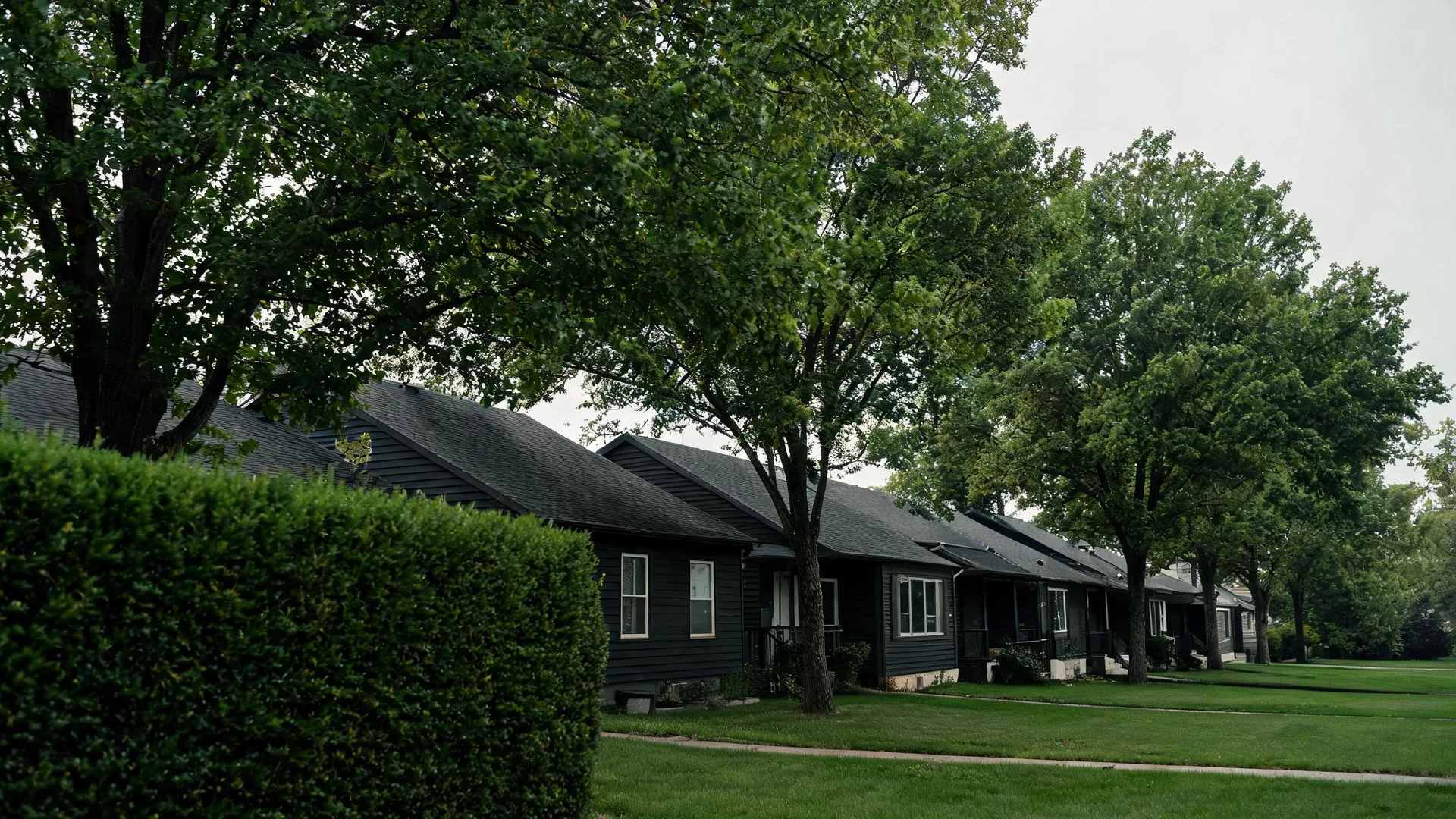






A row of dark-sided single-story houses with gray shingled roofs behind large leafy trees, a trimmed hedge at left and mown lawn with a narrow walkway in front.

Furnace Maintenance in Ashtabula, OH

Tell us about the job

Takes about a minute. No obligation.

Tune-up, service, or cleaningFurnace or heatingAshtabula County, OH
Step 1 of 2

What ZIP code is the job in?

Your furnace runs from October through May here, eight months out of twelve. That's not a few cold snaps, it's most of the year on duty. Between 2015 and 2024, Ashtabula County saw 26 winter storms, and each one means long stretches where the furnace doesn't get a break. That kind of steady demand wears on an igniter or a blower motor faster than it would somewhere milder. A part that holds up for years in another state can give out partway through a long Ashtabula winter.

Half the furnaces in Ashtabula County sit in homes built in 1962 or earlier.

A furnace that old has had decades to collect wear, so a yearly check matters more here than in a newer house.

Eight months of work starts in October. Get it checked in September.

Heat runs October through May
Winter nights average 21°F
26 winter storms from 2015 to 2024
Most Furnaces Here Run On GasGas heats 59.6% of homes here, and a gas furnace needs its burner and venting checked, not just a filter.

If your house is one of the older ones, a yearly check means someone looks at the furnace before it fails, not after. A tech can check the heat exchanger for cracks, test the safety controls, and see how the blower motor is holding up. None of that is visible from your living room. On a furnace that's been running for decades, catching a worn part ahead of time is the difference between a scheduled fix and a no-heat call in the middle of winter. If your system came with the house, it's worth finding out how old it actually is.

Check It Before It Has To Run

A tune-up before October catches a worn igniter or blower motor while it's still a scheduled visit, not a breakdown in the middle of a storm. Once the furnace starts its eight-month run, there's no good time to take it offline.

Find a contractor
A man in a faded olive work shirt and dark trousers climbs porch steps toward a navy front door, carrying a green canvas tool bag in his right hand, with a potted shrub in a blue planter beside the door.
A gas furnace with attached ductwork, gas piping, and condensate lines installed in a concrete-block basement.

Skip It Long Enough And Small Wear Becomes A Breakdown

A furnace that never gets opened up still runs, right up until it doesn't. Dust builds on the burner and the flame goes from a steady blue to a ragged yellow, and that's a sign of incomplete combustion, not just a dirty part. The flame sensor coats over with the same residue and starts cutting the burner off seconds after it lights, so the furnace short cycles instead of heating. A blower motor that never gets lubricated runs hotter and louder until the bearings seize. None of these fail all at once. They drift a little more out of tune each month, and a furnace that's never checked has no point where someone catches that drift before it becomes a no-heat call.

The Filter Controls Everything Downstream

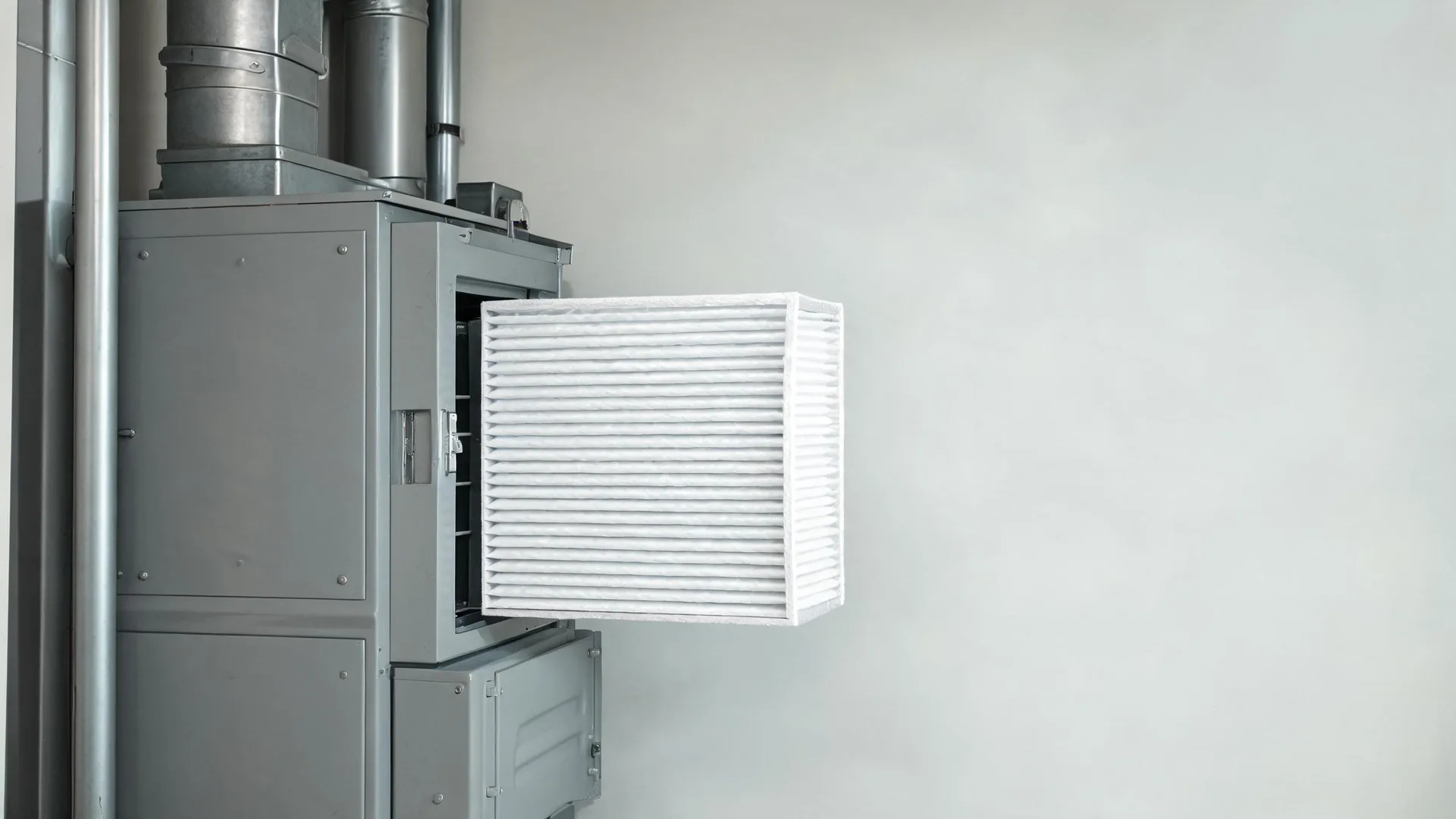
A dirty filter doesn't just choke airflow, it changes how the whole furnace runs. The blower works harder to push air through, which strains the motor. Less air moving across the heat exchanger means it runs hotter than it should, and that shortens its life. A filter is the cheapest part in the system and the one most likely to cause damage to everything else if it's ignored.
The Drain Line Matters On High-Efficiency Units

A high-efficiency furnace produces condensation as it runs, and that water has to go somewhere through a drain line and sometimes a condensate pump. If that line clogs with algae or sediment, the furnace can shut itself down on purpose rather than risk water damage. Checking that the line runs clear is part of knowing the furnace will actually fire when it's supposed to.

A tune-up gets inside the furnace in ways a homeowner never does. A tech pulls the burner assembly and looks at the flame pattern up close, where a slight lean or flicker shows up before it ever changes color enough to notice from across the room. Amp draw on the blower motor gets tested against what that motor is rated for, and a motor pulling too many amps is wearing out even while it still runs fine. The igniter gets checked for hairline cracks that don't stop it from glowing but will, eventually, stop it from lighting the burner at all. Wiring connections get snugged down, because a loose connection generates its own heat and that heat degrades the wire around it. None of this shows up as a symptom yet. That's the point of catching it now instead of waiting for it to.

A full tune-up also covers the parts that only matter once something's already gone wrong. The limit switch gets tested, since that's what shuts the burner off if the heat exchanger gets too hot, and a switch that's stuck or slow to respond isn't doing its job even though the furnace runs fine every other day. Gas pressure gets checked at the manifold, because too high or too low changes how clean the burner fires, and that affects both the flame and the heat exchanger over time. The venting gets looked at too, to make sure exhaust is actually leaving the house and not finding its way back in through a cracked seal or a blocked flue. A tech also checks that the furnace is pulling the right amount of combustion air, since starving a burner of air changes the flame the same way a dirty filter does. None of these checks take long on their own. Together they're the difference between a furnace that happens to be running and one that's actually been looked at.