Furnace leaking water in Ashtabula, OH
Why is water leaking from my furnace?
A puddle or drip under your furnace is unsettling, especially with cold weather ahead here in Ashtabula County. Most of the time it's not the furnace burning anything, it's condensation or a drain problem. But the cause matters because some of them, left alone, can damage the furnace or shut it down when you need it most.
It's almost always the condensate drain or line
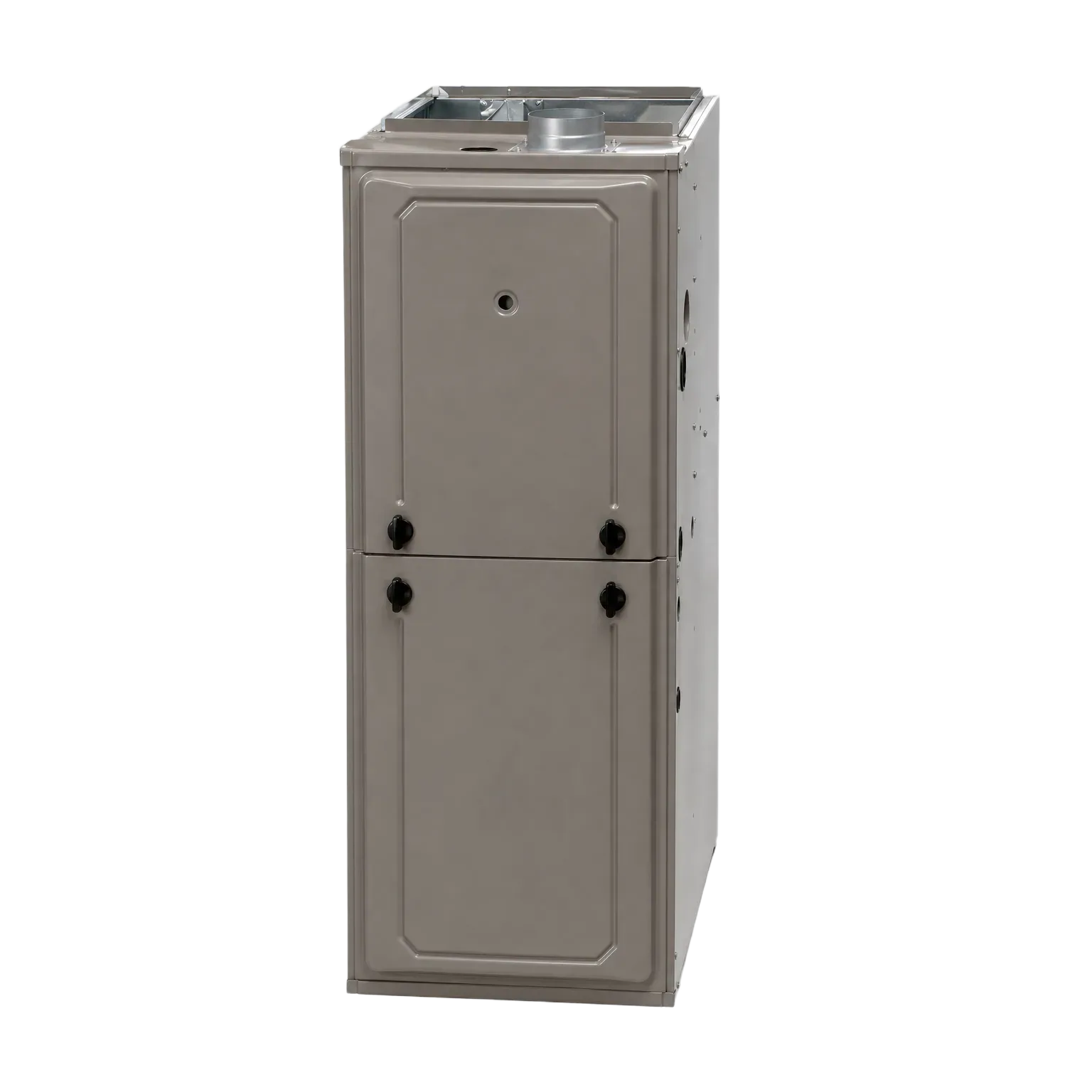
A high-efficiency gas furnace, the kind most homes around Ashtabula run, produces water as part of normal operation and drains it out through a condensate line. Water shows up on the floor when that line is clogged, cracked, or disconnected, or when the condensate pump that's supposed to push the water out has failed. A clogged line is the most common reason, often from sludge or algae buildup inside the tubing. If the furnace is older and doesn't condense, a leak instead points to a cracked heat exchanger or a problem with the humidifier attached to the ductwork, either of which needs a contractor to look at before you run the furnace again.
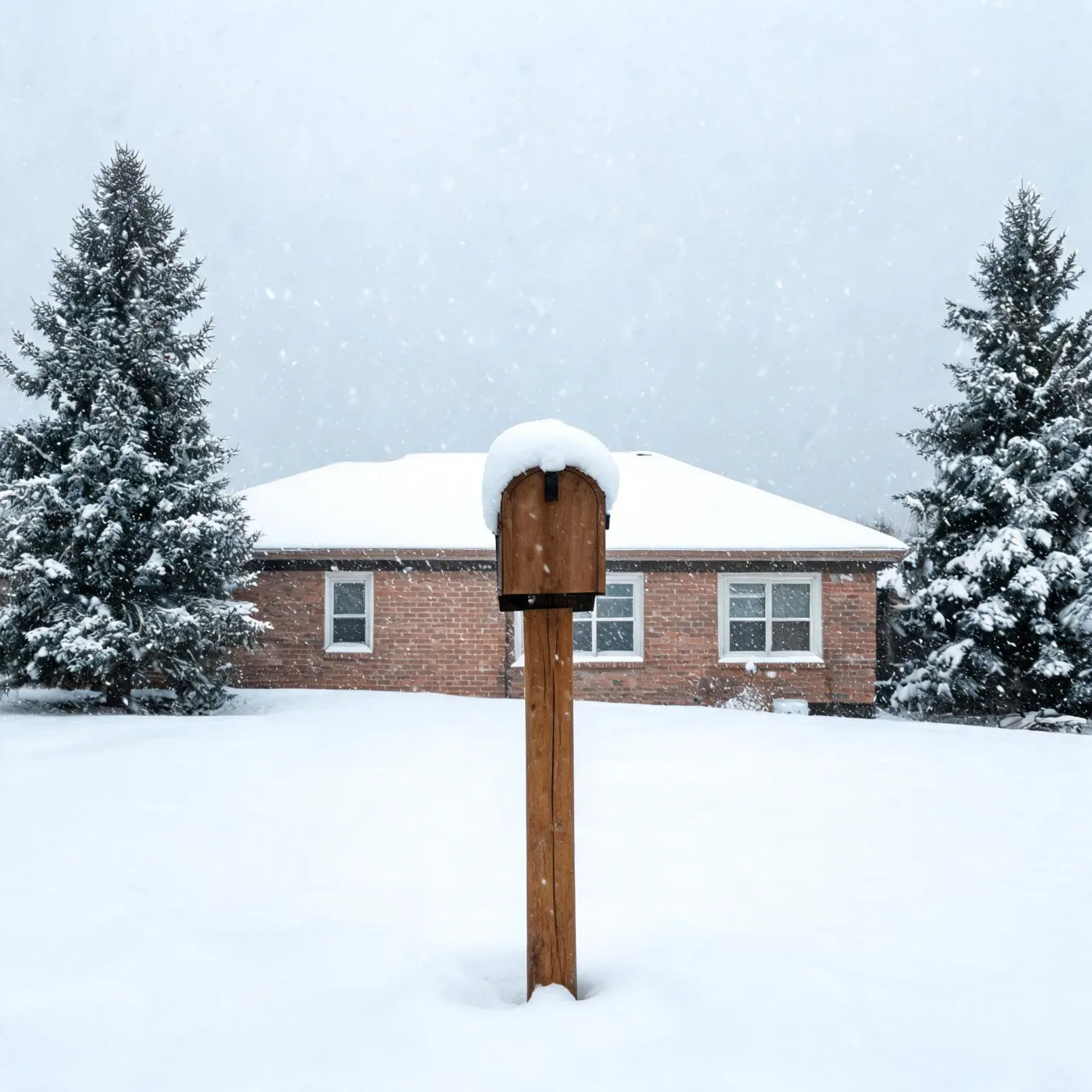
Winter nights around Ashtabula average 21°F, according to NOAA climate data, and your furnace runs close to nonstop to keep up on nights like that. A high-efficiency furnace produces more condensation the longer it runs, and that water has to find its way out through the drain line or condensate pump. When the cold snaps hit and the furnace barely shuts off, that drain line is working overtime too. A puddle that shows up now, in the coldest stretch of the year, often traces back to a line that's clogged or a pump that can't keep pace with how hard the furnace is working.
NOAA nClimDiv 1991-2020
Is this puddle something to worry about?
Look at where the water is. A damp patch near the front of the furnace, close to the PVC pipes, usually points to a condensate line that's clogged or sitting at the wrong angle. Water pooling under the middle or back of the unit can mean something inside is cracked or rusted through. Check the color too. Clear water is condensation. Rusty or dirty water has been sitting somewhere it shouldn't, picking up scale from old metal parts. If the leak keeps going and ends up near the blower or the burners, the furnace may shut itself off before it causes real damage. Left alone, a steady drip will soak the subfloor, warp it, and invite mold, especially in a closet or basement furnace isn't checked often.




Drain Clog or Cracked Heat Exchanger
Condensate drain problem
- A high-efficiency furnace makes a steady trickle of water every time it runs, and that water needs a clear path out through plastic tubing.
- Algae and sediment build up inside the drain line over a season or two and slow the water until it backs up into the furnace cabinet.
- A cracked condensate trap or a tube knocked loose during a filter change will drip steadily even though nothing inside the furnace is broken.
- If the furnace sits on a slight tilt, or the drain line wasn't pitched right when it went in, water can pool instead of draining.
- This kind of leak usually shows up near the front of the unit, close to where the PVC pipes run.
- Clearing or resealing a line is a quicker fix than most other causes of a wet furnace.
Heat exchanger or internal failure
- A cracked heat exchanger can let flue gas condensation collect inside the furnace instead of venting outside, and it shows up as water pooling under the middle or back of the unit.
- This kind of leak points to a part that's failed, not a line that's clogged, and it won't clear up on its own the way a drain backup might.
- A damaged exchanger can also let combustion byproducts into the air your home breathes, which makes this a safety issue and not just a mess on the floor.
- Humidifier connections and old supply lines near the furnace can also fail and mimic this kind of leak, so the source isn't always obvious from a glance.
- Furnaces that run close to nonstop on cold nights put more strain on every part inside, including an exchanger that's already weakened.
- This is the kind of leak that calls for shutting the furnace off until it's been looked at, rather than waiting to see if it continues.

Gas burns inside the heat exchanger and heats the air.
The flue gas cools as it passes through a second coil.
Cooling that gas condenses it into water.
Condensate drains into a trap, then out through PVC tubing.


Get the right pro for your furnace
Skip calling shops to ask who repairs furnaces in Ashtabula County.
It costs nothing to send, and you don't have to hire anyone.
How the drain system is supposed to work
- The condensate trap holds a small amount of water to keep flue gas from backing up through the drain line.
- A clogged trap or drain line makes water back up inside the furnace cabinet instead of draining outside.
- The inducer motor pulls flue gas through the heat exchanger, and that draw is what keeps condensation moving toward the drain.
- A cracked secondary heat exchanger can leak water during the burn cycle, not just after it.
- A condensate pump, if your furnace uses one, pushes water uphill to a drain, and a stuck float switch stops the furnace rather than let it overflow.
- PVC venting for a high-efficiency furnace slopes slightly so condensation runs back toward the trap instead of pooling in the pipe.
A high-efficiency furnace is built around the idea that it will make water, and everything downstream of the heat exchanger is there to manage that. The trap is the first stop. It holds a small amount of water on purpose, acting as a seal so flue gas stays in the vent pipe instead of pushing back into the drain line. From there the water should run downhill through PVC tubing to a floor drain or a pump. The inducer motor is what keeps the whole system moving. It pulls combustion gas through the heat exchanger and out the vent, and that steady draw is part of what keeps condensation flowing toward the trap instead of sitting still inside the furnace. If your model uses a condensate pump because there's no nearby drain lower than the furnace, that pump depends on a float switch to know when to run. When the switch sticks, most furnaces are wired to shut down rather than let the pump housing overflow onto the floor. The PVC venting itself has a slight pitch built in during installation, so any moisture that forms inside the pipe runs back down to the trap instead of collecting at a low spot. None of this is unusual for the furnace to be doing. It's only a problem once one piece in that chain, the trap, the line, the pump, or the slope of the pipe, stops doing its job and the water starts going somewhere it shouldn't.
Winter nights average 21°F
At 21°F, your furnace is firing almost continuously to hold the house steady, and every one of those burn cycles adds more condensate to the drain line. A line that was draining fine in October can back up once the furnace is running this hard.
NOAA nClimDiv 1991-2020
Water under your furnace almost always means the condensate line or trap isn't moving water the way it should, not a gas leak or a cracked heat exchanger. A clogged line, a bad slope, or a cracked trap lets water pool instead of draining outside, and the harder your furnace runs on a cold night, the more water it has to move. Where the puddle sits tells you roughly what's wrong, but confirming it means opening the cabinet and checking the drain path, the trap, and the inducer motor. That's not a job to guess at with the furnace carrying your house through an Ashtabula winter. A contractor can trace the water back to its source, clear or repair what's blocking it, and have the furnace draining properly again, instead of you taking the cabinet apart yourself or hoping the puddle doesn't come back.


A pro who works on furnaces
A furnace leak almost always traces back to the condensate line or trap, something a licensed contractor can find fast and fix properly. Instead of searching around, calling a few contractors, explaining the puddle and the sound your furnace makes, then sorting through quotes, you answer a few questions once and get matched with a contractor who serves Ashtabula County and knows what nights at 21°F do to a drain line. They'll reach out to you directly to look at the repair.
Answer a few questions instead of calling shop after shop.
No charge to send it. You decide if you hire them.