

Pilot lit, flame steady
This is what a working pilot looks like: a steady blue flame holding on its own, furnace cycling on and off as the thermostat calls for it. The thermocouple is doing its job, sensing the flame and keeping the gas valve open.
Your request goes to an Ashtabula County pro who takes furnace jobs.
Get a local proA pilot that keeps going out means lighting it over and over, and in an Ashtabula County winter that gets old fast when the furnace needs to be running most of the day. It usually isn't something you did wrong. A few specific parts cause this, and which one it is changes what happens next if it gets ignored.
The thermocouple is the small metal rod that sits in the pilot flame. Its job is to sense the flame and tell the gas valve to stay open. When it's coated with soot or has worn out, it reads the flame as out even when it's lit, and the valve shuts the gas off. A draft blowing across the pilot or a clogged pilot orifice can cause the same thing. With a furnace running most days once the weather turns in Ashtabula County, a thermocouple that's starting to fail will keep going out more often, not less, and relighting it yourself is only a stopgap until the part is replaced.
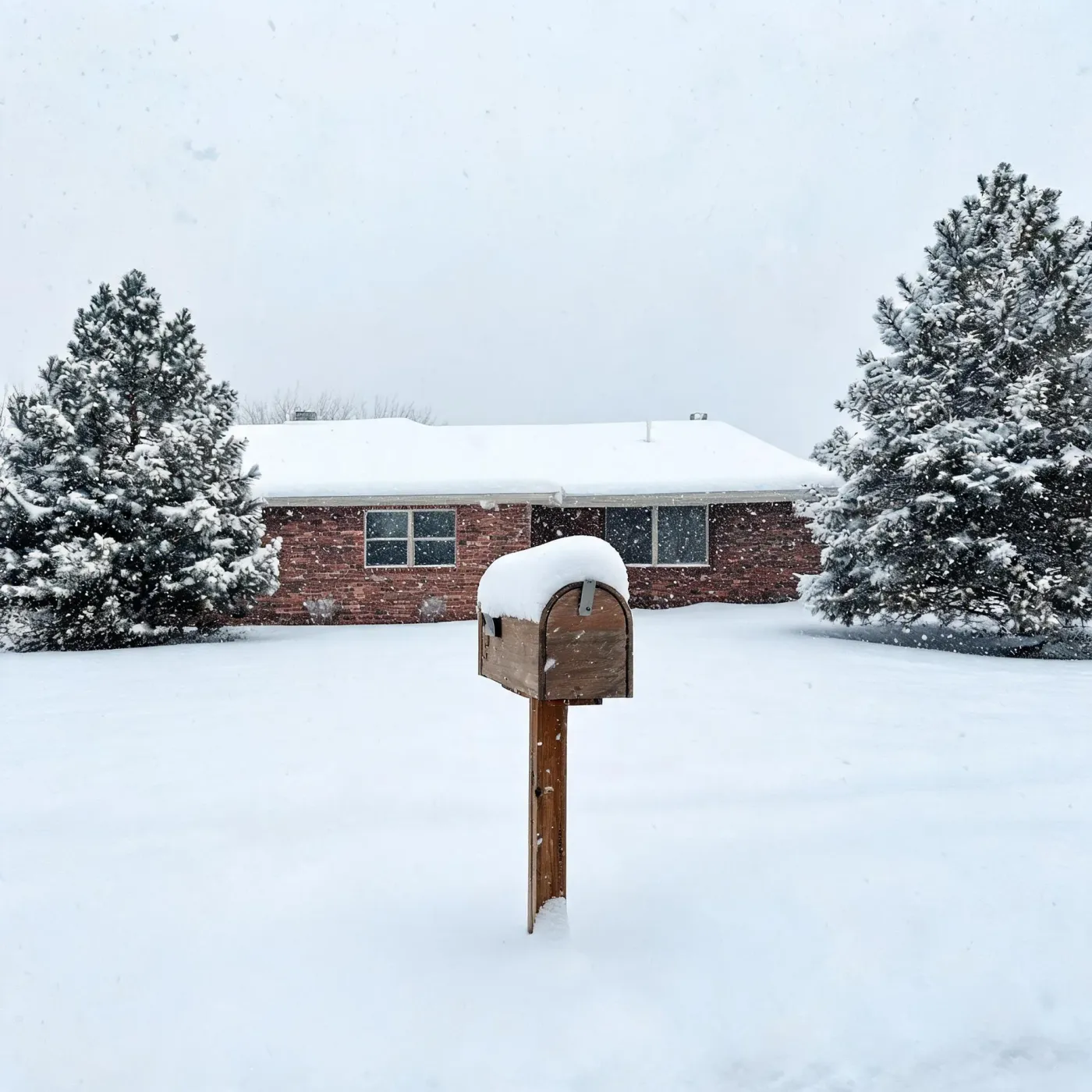
Winter nights around Ashtabula County average 21°F, according to NOAA climate data. At that temperature your furnace isn't cycling on and off a few times a day, it's running close to constant to keep up, and that means the pilot assembly is lit for hours on end instead of getting a break. A thermocouple or flame sensor that's worn or coated with soot has a much harder time holding a flame under that kind of steady demand. If your pilot goes out more on the coldest nights than it does in milder weather, that's not a coincidence. It's the furnace working harder right when you need it most.
NOAA nClimDiv 1991-2020
You light it, it holds for a bit, then the flame drops out again, maybe within minutes, maybe after an hour. You might smell a little gas when it goes out, or notice soot around the pilot opening. Some furnaces click and try to relight on their own and fail each time. Others just sit there cold until you walk down and strike the pilot again. If this keeps happening through a cold stretch, the furnace may stop holding heat at all, and in a county where January nights sit near 21°F, a dead furnace isn't something to leave until morning. A thermocouple that's worn out or out of position is the most common reason, though a draft at the pilot or a dirty orifice can do the same thing.





This is what a working pilot looks like: a steady blue flame holding on its own, furnace cycling on and off as the thermostat calls for it. The thermocouple is doing its job, sensing the flame and keeping the gas valve open.

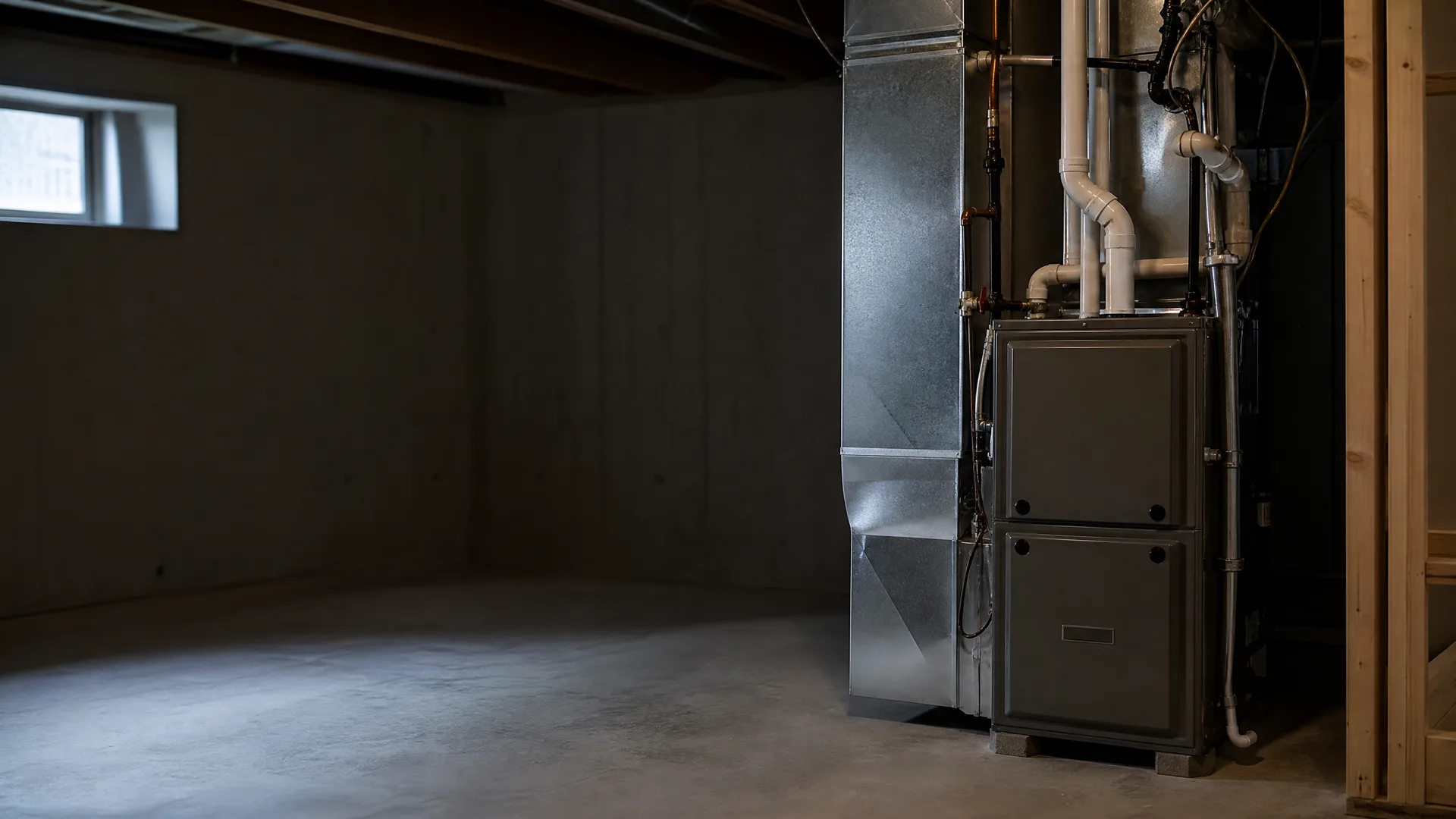
An older furnace like this one leans on a thermocouple and a pilot tube that have been through a lot of winters. Soot builds up, the thermocouple weakens, or the pilot opening narrows, and the flame drops out again and again until someone who works on these every season looks at it.

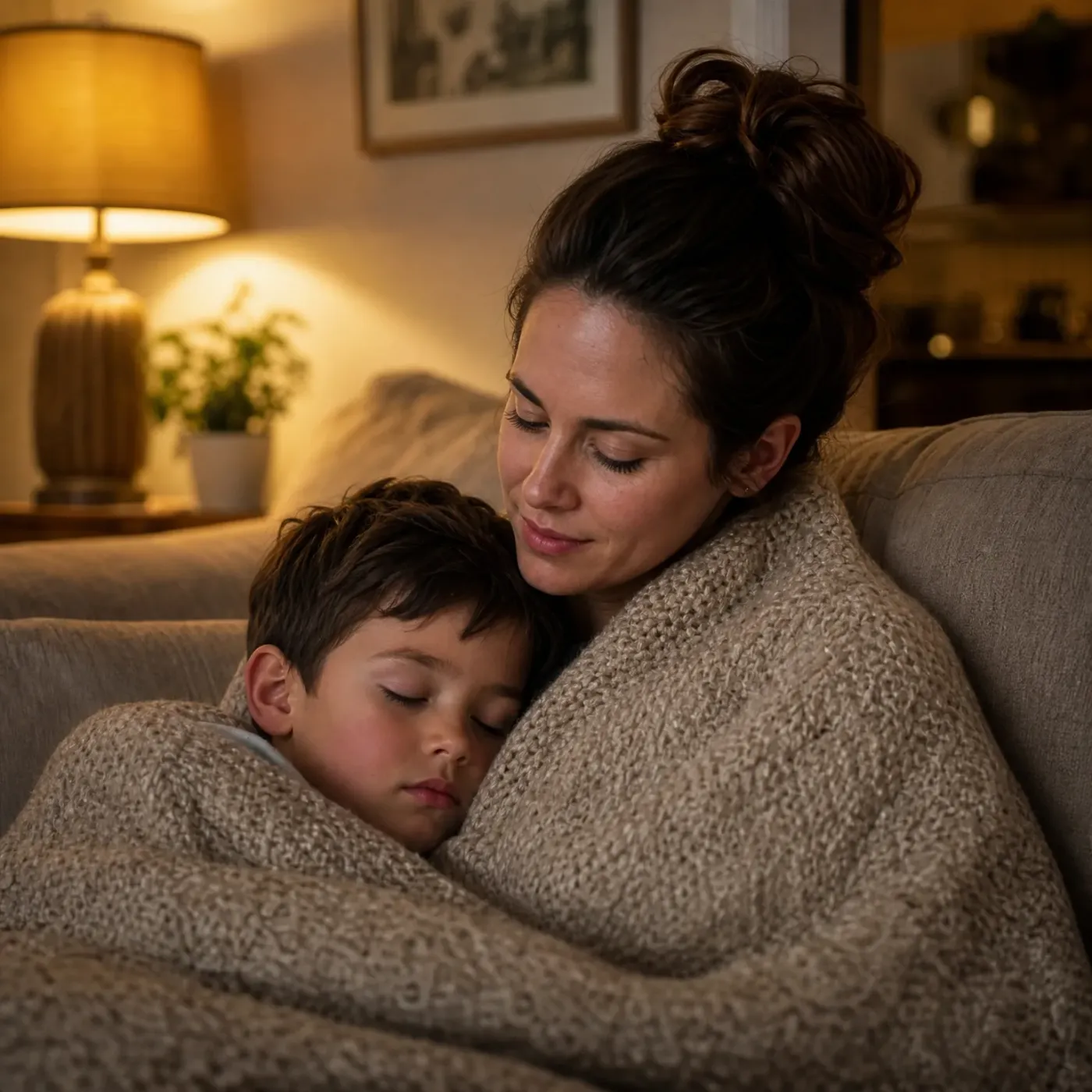
A thermocouple that's gone bad or a pilot assembly that needs adjusting isn't a job to keep testing with a lighter, especially with your furnace running most of the day through an Ashtabula County winter. Every re-light means gas was flowing in your house for a few seconds first. A local contractor who works on furnaces all winter here has seen this exact failure plenty of times and knows whether it's the thermocouple, the gas valve, or a draft problem pulling the flame out, usually within one visit. Sending the request means one contractor, licensed and familiar with this equipment, follows up with you directly, not several companies working the same lead. You don't have to figure out which part it is before you ask. You just have to stop relighting it and get someone out who already knows what usually fails on a furnace like yours after nights in the low 20s.
The thermocouple sits right in the pilot flame, a thin metal rod running from the pilot bracket to the gas valve. The flame heats it, it generates a small electrical current, and that current holds a magnet open inside the valve so gas keeps flowing to the pilot. Nothing mysterious about it, it's just millivolts doing a job. If the rod has slipped out of the flame, if it's coated in soot, or if it's just worn out after years of heating and cooling, the current drops and the valve reads that as no flame, even though there's a flame right there. So it shuts the gas off, and the pilot goes out. Some older furnaces use a thermopile instead, which works the same way but produces more current, enough to also run a wall thermostat. Either way, a furnace tech checks the output with a multimeter before replacing anything. A thermocouple reading low gets replaced. One reading zero means the flame probably never reached it at all.


At 21°F the furnace holds a long burn instead of short bursts, so the pilot and thermocouple stay under flame for hours without a break. A weak or dirty thermocouple that might limp along on a milder night gives out faster under that kind of steady demand.
NOAA nClimDiv 1991-2020
A pilot that won't hold is a part problem, not a sign you're doing something wrong when you light it. The thermocouple wears out, the pilot opening gets dirty, or the gas valve itself is at fault, and Ashtabula County winters are hard on all three because the furnace runs long hours instead of short bursts. Cleaning the thermocouple or clearing the pilot opening with a wire can get you through a night, but it doesn't fix a part that's already failing. It just delays the next time the flame drops out.
Someone who works on furnaces through winters like this one has likely seen your exact failure before, in a furnace running the same long hours in the same cold. That's the kind of familiarity that gets a pilot problem diagnosed quickly instead of guessed at. When you ask for help through this page, you're matched with one licensed contractor local to Ashtabula County, not a list of companies competing for the job. One contractor means one call back, one visit, and someone who already has an idea what's wrong before they walk in.
Once the actual part gets replaced, whether that's the thermocouple, the pilot assembly, or something in the gas valve, the pilot holds on its own. No more standing at the furnace with a lighter, no more wondering if it'll still be lit in an hour. It burns steady, the furnace cycles the way it's supposed to, and you stop thinking about it until the next time something actually needs attention.
A licensed pro who works in Ashtabula County gets your request.