



Heat pump vs furnace in Montgomery County, Ohio

Price a Replacement

Install quotes in Montgomery County

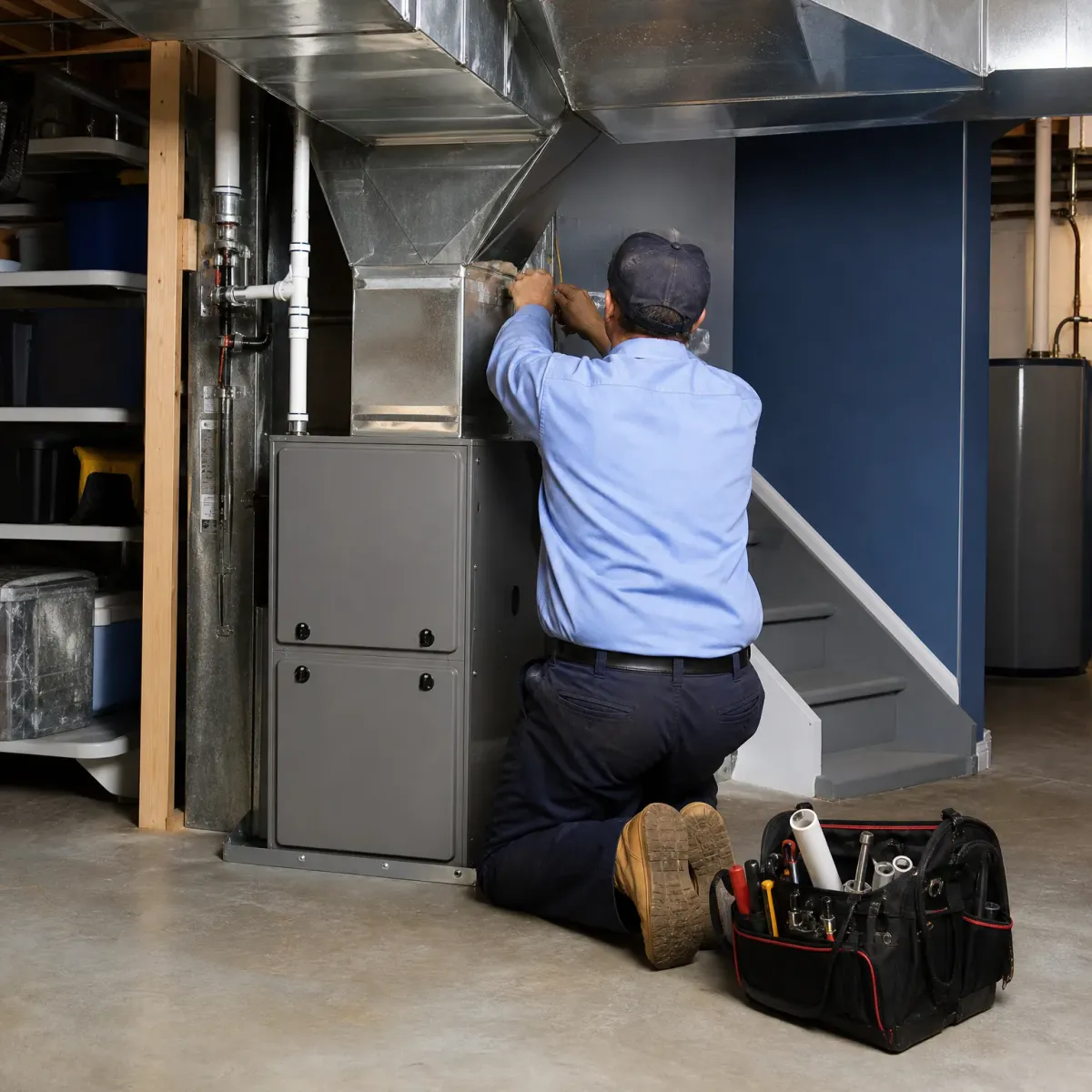
A man in a blue shirt and cap kneels in a basement working on ductwork above a gray furnace, with an open tool bag on the floor beside him and a staircase and water heater in the background.

Tell us about the job

Takes about a minute. No obligation.

New system or replacementMontgomery County, OH
Step 1 of 3

What kind of equipment?

Which costs less to run in Montgomery County?

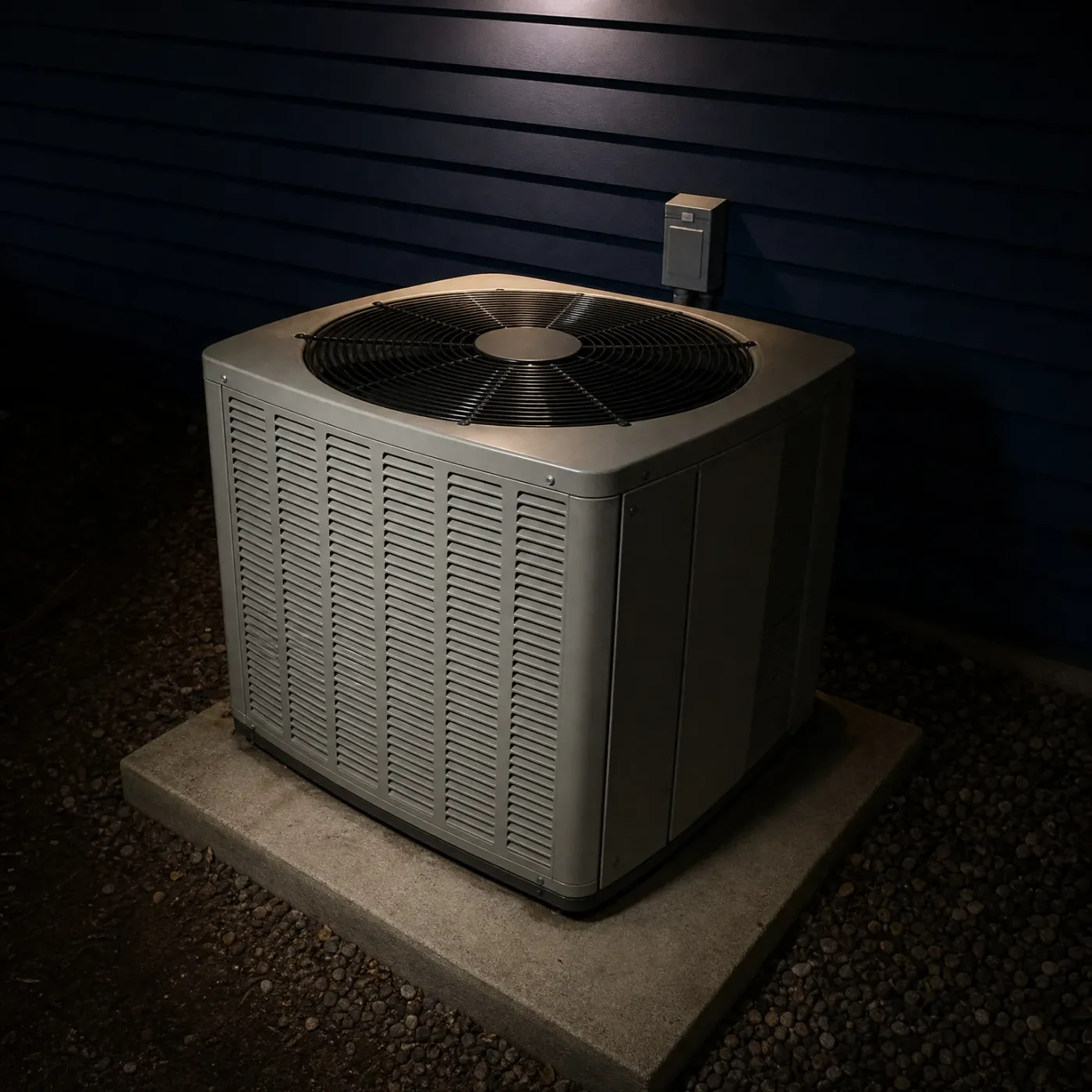
An outdoor air conditioning condenser unit with a top-mounted fan grille sits on a concrete pad surrounded by gravel, beside a dark horizontal-lap sided wall with a small electrical disconnect box.

Heat pump

To heat your home here$2.13per 100,000 Btu

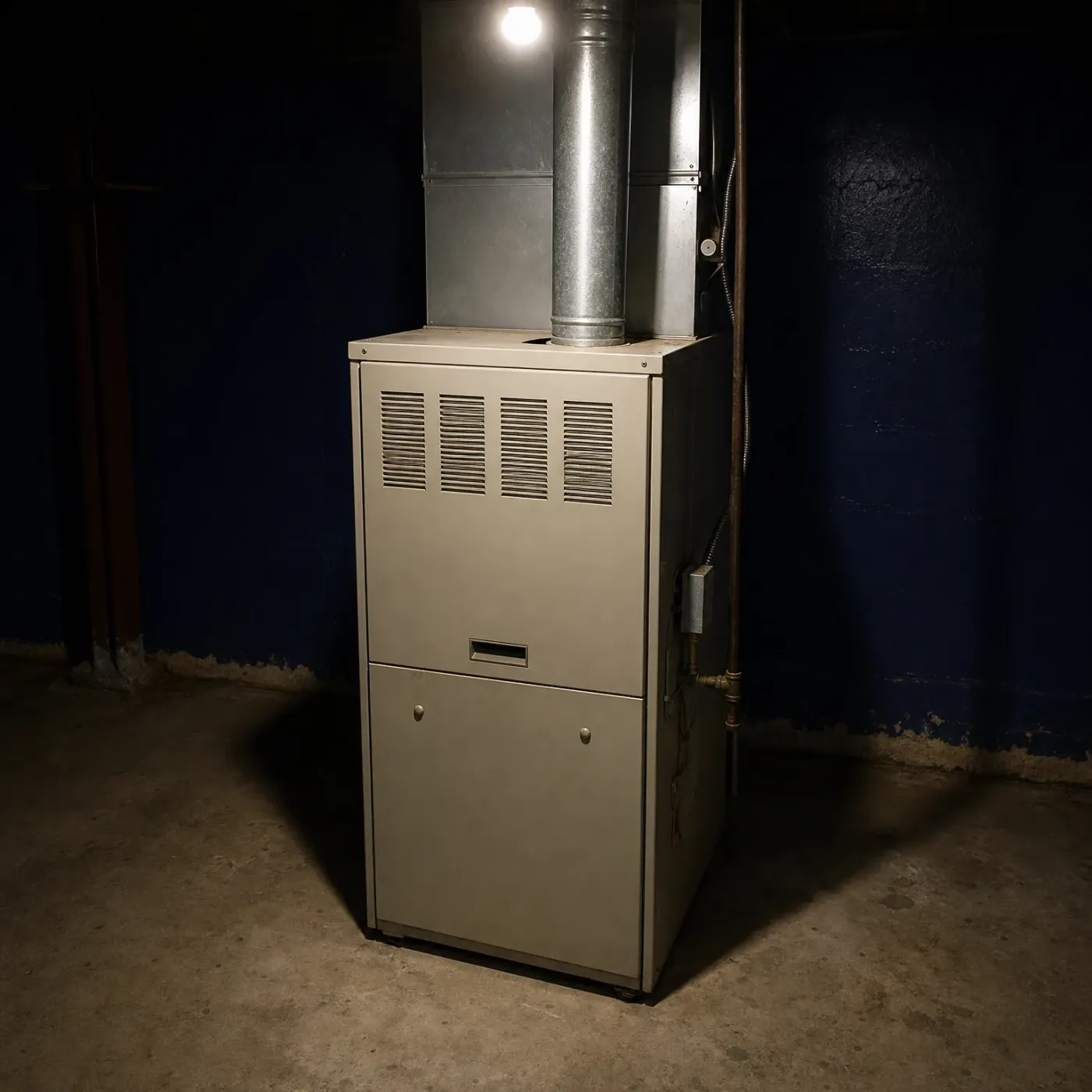
A beige sheet-metal furnace with louvered vent panels stands on a concrete basement floor against a dark blue painted wall, with sheet-metal ductwork and a copper pipe above and behind it.

Furnace

To heat your home here$1.61per 100,000 Btu

At Ohio's gas and electricity prices, a gas furnace makes the same heat as a heat pump for at least 24% less.

Btu stands for British thermal unit, the standard measure of heat energy.

Where does a heat pump shine?

  • Steady, even comfort

    It eases up and down with the weather. There are fewer swings between too warm and too cool.

    A navy upholstered armchair with ottoman, open book and throw blanket sits beside a lit fireplace and white built-in bookshelves, with a golden-colored dog lying on a gray rug and snow visible through the window.
  • No gas line, nothing burning in the house

    It moves heat instead of making it from fire. That means no combustion, no flue and no gas bill for heat.

    A kitchen island with a white countertop holding a black induction cooktop, a stainless steel kettle, a blue mug, a bowl of lemons and a potted plant, with navy cabinets, a wood shelf with plants and books, cutting boards and a blue bowl in the background.
  • Heats and cools in one system

    A heat pump runs the same way all year. It pulls heat into the house in winter and pushes it out in summer.

    Living room with a beige sofa holding navy and light blue cushions under a large window overlooking green trees and white hydrangeas, a wooden coffee table with a woven tray, potted plant and candle, a navy bookcase at right, and a striped armchair in the foreground.

Where does a furnace shine?

  • Runs on the gas most homes here already use

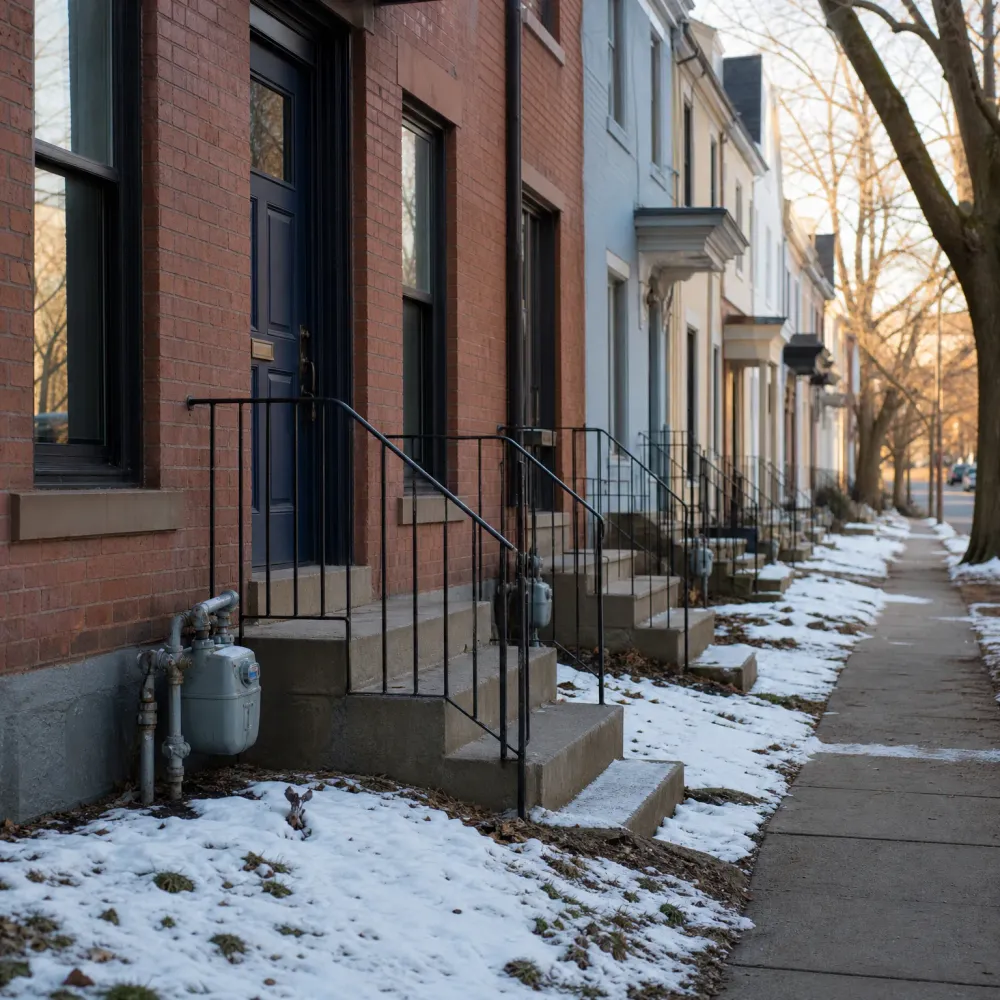
    Most homes in Montgomery County already have gas service, since utility gas heats 63.3% of occupied homes here. If your house is one of them, a gas furnace just uses the line that's already run to your home.

    A row of attached townhouses with brick and painted facades, front stoops with black metal railings, and exterior gas meters, beside a sidewalk with patchy snow and bare trees.
  • Fast, strong heat on demand

    A furnace pushes out hot air within minutes of switching on. A cold house warms up fast.

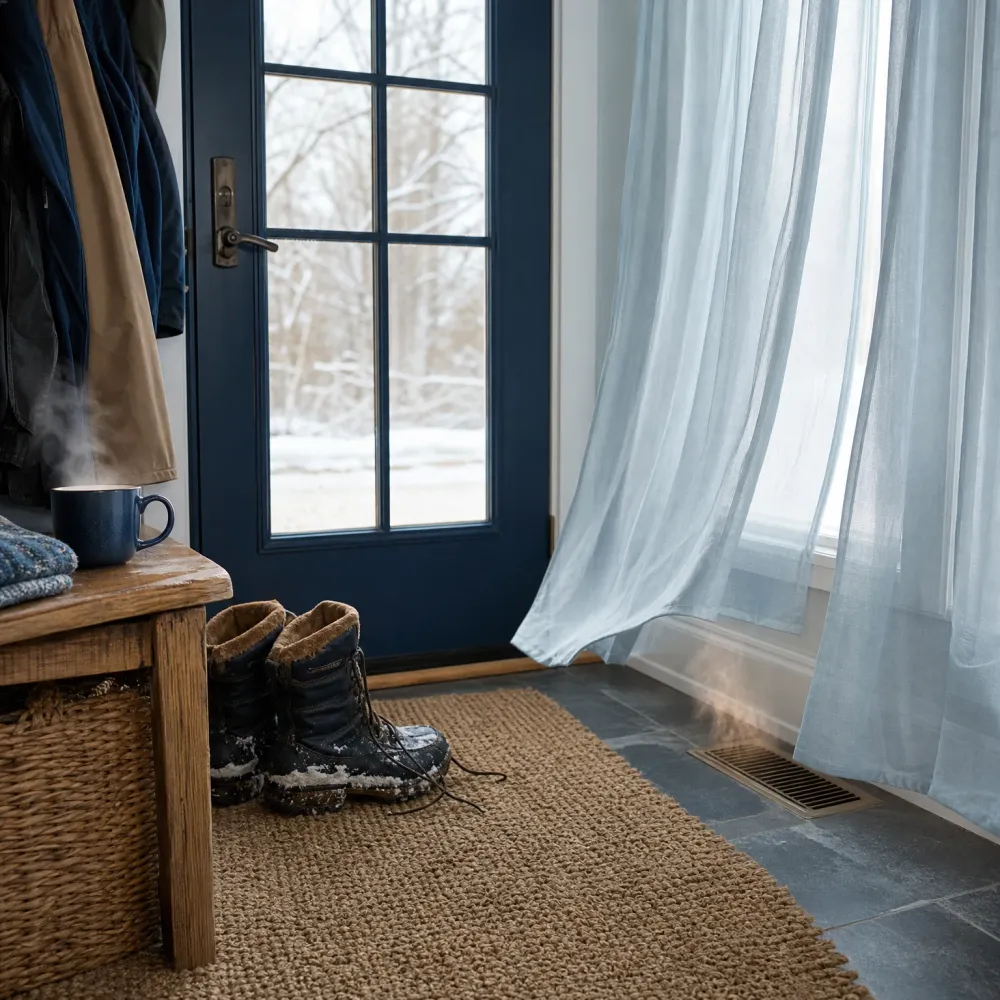
    An entryway with a navy glass-paned door showing snow outside, snow-dusted boots on a woven jute rug, a wooden bench with a steaming blue mug, sheer curtains by a window, and a floor vent in the slate tile.
  • Pairs with any central AC

    The ductwork that delivers heat in winter delivers cool air in summer once an AC coil is added.

    A rectangular metal floor vent set in a hardwood floor near a window with a sheer white curtain, a navy wall, a round wooden table with a mug and white hydrangeas, and a light blue upholstered chair with a knit throw.

What winter here does to a heat pump

Winter here is the whole question. Heat runs about eight months a year in Montgomery County, October through May, so whatever you install is going to spend most of its life heating, not cooling. The overnight low averages 24°F across December, January and February. That number matters because a standard heat pump has two marks against it, and 24°F is past both. Below 40°F it puts out less heat than its rating says. Below about 35°F it often needs backup heat to keep up. The average winter night here is colder than either line.

This isn't a once-a-year problem. About 105 nights a year fall to freezing or below, and every one of those nights is already past both marks. So a standard heat pump here is running in its weak range for roughly half the nights of the heating season, not just on the rare cold snap. The rare cold snap is real too: about 3 nights a year drop to 0°F or below. That's a small share of the winter, but it's the share where a standard heat pump leans hardest on backup heat.

None of this means a heat pump stops working. It means the machine needs help on a lot of winter nights, not just the brutal ones. If you're looking at a standard heat pump for this county, the backup heat source isn't a detail, it's part of how the system gets you through January.
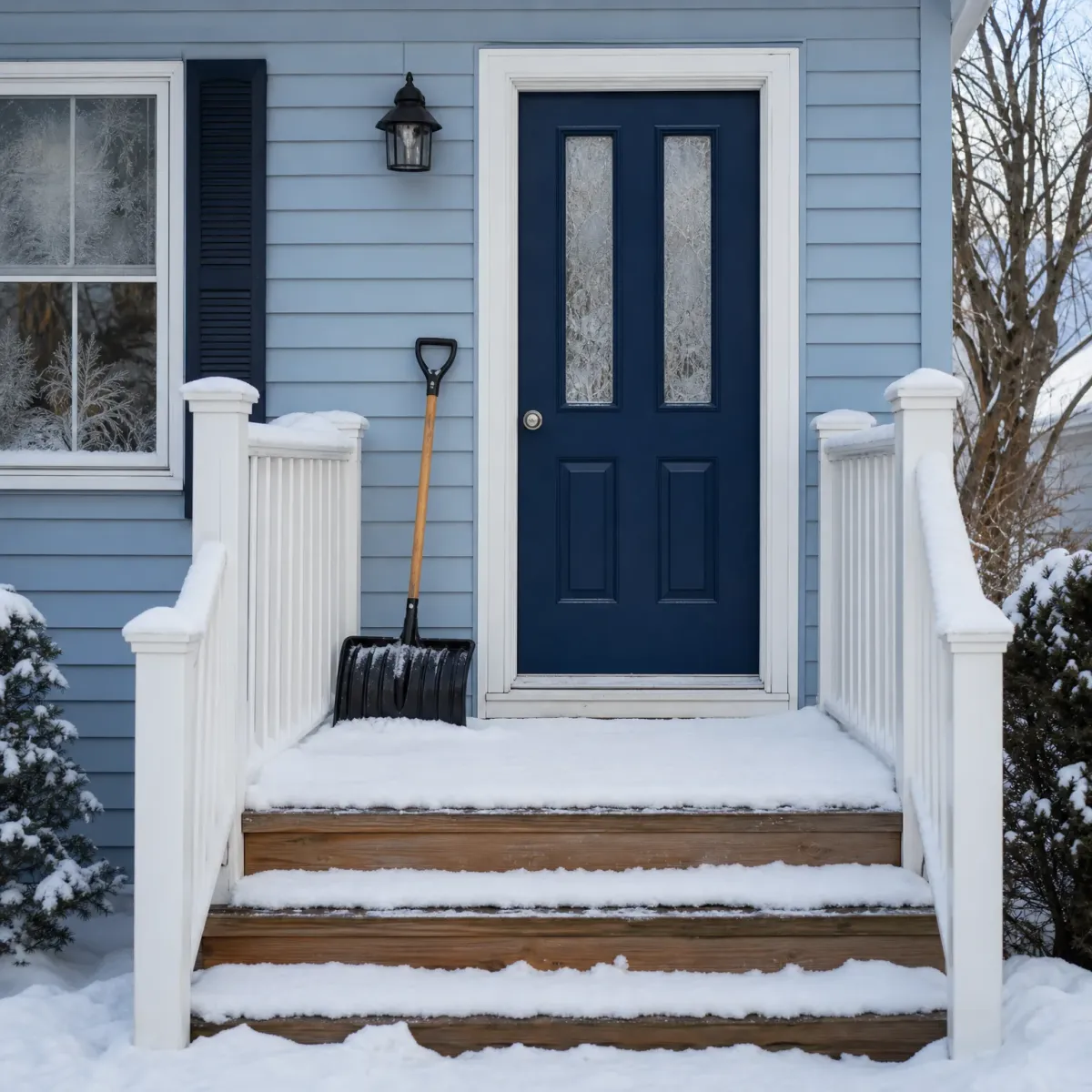
Snow-covered wooden steps and white railings lead to a navy blue front door on a light blue clapboard house, with a snow shovel leaning against the wall beside the door.

Cost, and what changes if you want a heat pump anyway

Running cost favors the furnace plainly. At Ohio's prices, a gas furnace makes the same heat for $1.61 per 100,000 Btu against $2.13 for a heat pump built to the federal minimum, with nothing added for the backup heat it'll likely need on those cold nights. That gap is why most homes here are set up the way they are: utility gas heats about three in five homes in Montgomery County, electricity about one in three.

A heat pump still has a real case. It's the only one of the two that cools your house as well as heats it, so it replaces a furnace and a central AC with one system. And the cold-climate problem has an answer if you want a heat pump specifically: look for one with the ENERGY STAR Cold Climate mark. To earn it, a heat pump has to prove it still makes 1.75 units of heat per unit of electricity at 5°F and holds onto at least 70 percent of its warm-weather capacity at that temperature, tested by a third party, not just claimed. In field testing of that kind of cold-climate heat pump, backup heat covered only a small share of the heat needed between 0°F and 35°F, and the system running on backup alone was rare even above 0°F. That's a different machine than the federal-minimum unit the running-cost figures above are built on.

So the honest version is this. A gas furnace is the cheaper, simpler choice for this county's winters, and it's what most homes here already run on. A heat pump is worth it if you want one system for both seasons and are willing to pay for a cold-climate model instead of a standard one, because a standard heat pump and a Montgomery County winter are not a good match on their own.

Sources: NOAA nClimDiv · NOAA 1991–2020 seasonal normals · PNNL Building America guide · PNNL-37127 field study · ENERGY STAR product criteria · EIA SEDS 2024 · 10 CFR 430.32 · Census ACS 2020–2024

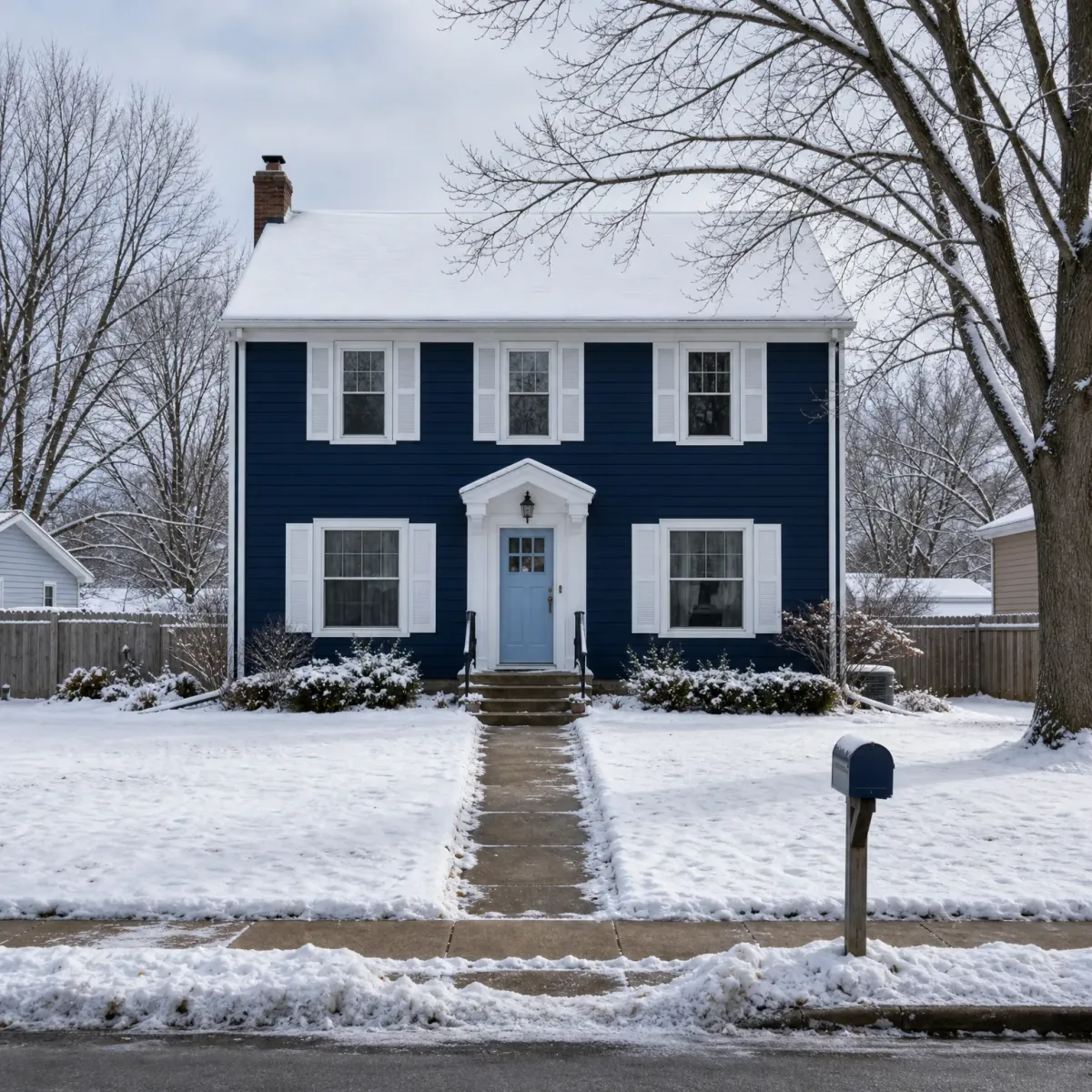
A two-story dark blue clapboard house with white trim, shutters, and a light blue front door, fronted by a snow-covered yard, a cleared concrete walkway, a mailbox on a post, and bare trees under an overcast sky.

Common questions about heat pumps and furnaces

  • Can a heat pump heat a house through an Ohio winter?

    A standard heat pump struggles to on the coldest nights here. Its heat output falls short of its rating below 40°F, and it often needs backup heat below about 35°F, and the average overnight low here across December through February is 24°F. A cold-climate model does better: to earn that label it has to keep at least 70 percent of its capacity at 5°F, verified by outside testing, and field tests of prototype cold-climate units found backup heat covering only a small share of the load between 0°F and 35°F.

  • Do I need backup heat with a heat pump here?

    With a standard heat pump, yes. Its output falls short of its rated capacity below 40°F and it often needs backup heat below about 35°F, and nearly half the nights in the 8 months the heat runs here drop to freezing or colder. A cold-climate heat pump needs less of it. Those are tested to keep most of their capacity down to 5°F, and in field tests backup heat covered only a small part of the load even between 0°F and 35°F.

  • Can I keep my furnace and add a heat pump?

    Yes, and here that pairing covers the year well. The furnace carries the coldest nights, the roughly 105 a year at or below freezing, while the heat pump handles the milder stretches and does your cooling too. You get one system built for 24°F nights and another that doesn't have to work as hard once it's above freezing.

  • Is a heat pump cheaper to run than a furnace in Montgomery County?

    No, a furnace runs cheaper here. A gas furnace makes the same heat for $1.61 per 100,000 Btu against $2.13 for a heat pump, at Ohio's average fuel prices. That's with the furnace at its federal minimum efficiency and the heat pump's figure not counting any backup heat it needs on the coldest nights.