


What winter here does to a heat pump
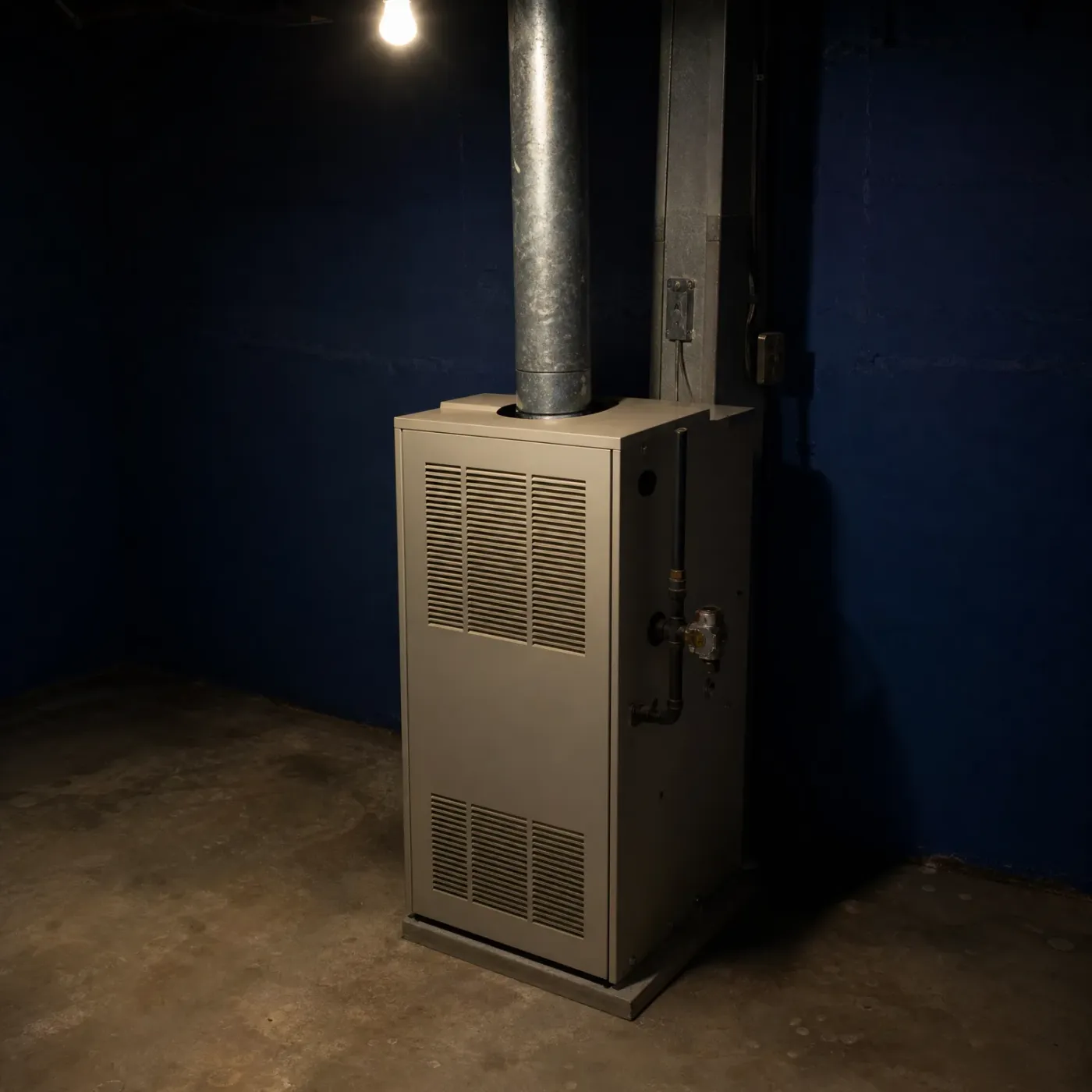
Your furnace or heat pump runs eight months a year here, October through May, so this decision is mostly about those eight months, not the four you run the AC. The overnight low averages 24°F across December, January and February. That number matters because of where a standard heat pump starts struggling. Below 40°F it puts out less heat than its rating. Below about 35°F it often needs backup heat to keep up. Franklin County's average winter night is below both marks, and so is every one of the roughly 110 nights a year that drop to freezing or below.
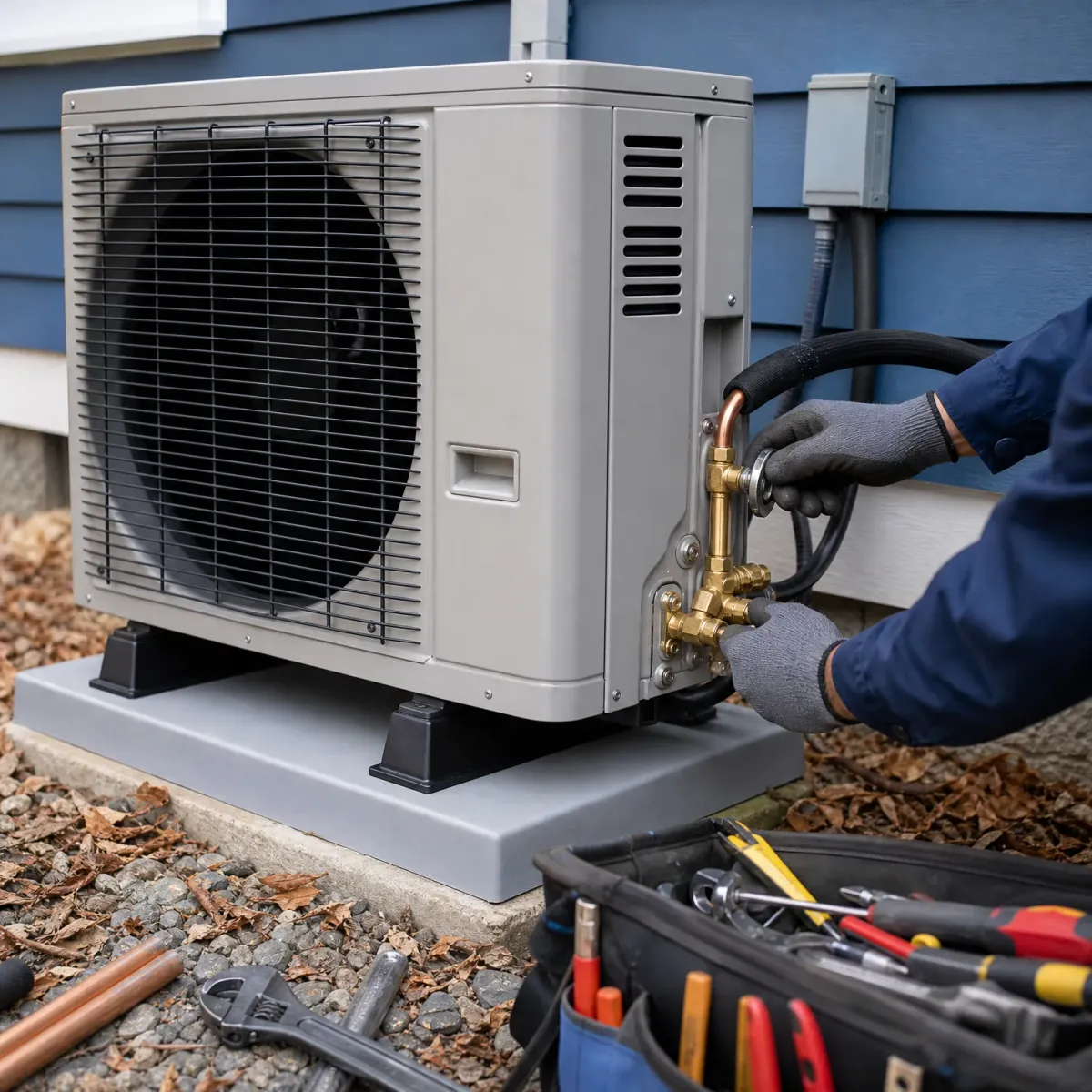
That doesn't mean a heat pump quits. On the three nights a year that hit 0°F, a standard model is working hard, and most of the other 110 freezing nights sit well above that. Field testing on cold-climate heat pumps in occupied homes found backup heat carried only a small share of the load between 0°F and 35°F, and the system running on backup alone was rare even above 0°F. If you want a heat pump that holds its output at low temperatures, look for the ENERGY STAR Cold Climate mark. It requires the unit to keep at least 70 percent of its 47°F heating capacity at 5°F, checked by independent testing, which is well beyond what a standard heat pump promises.