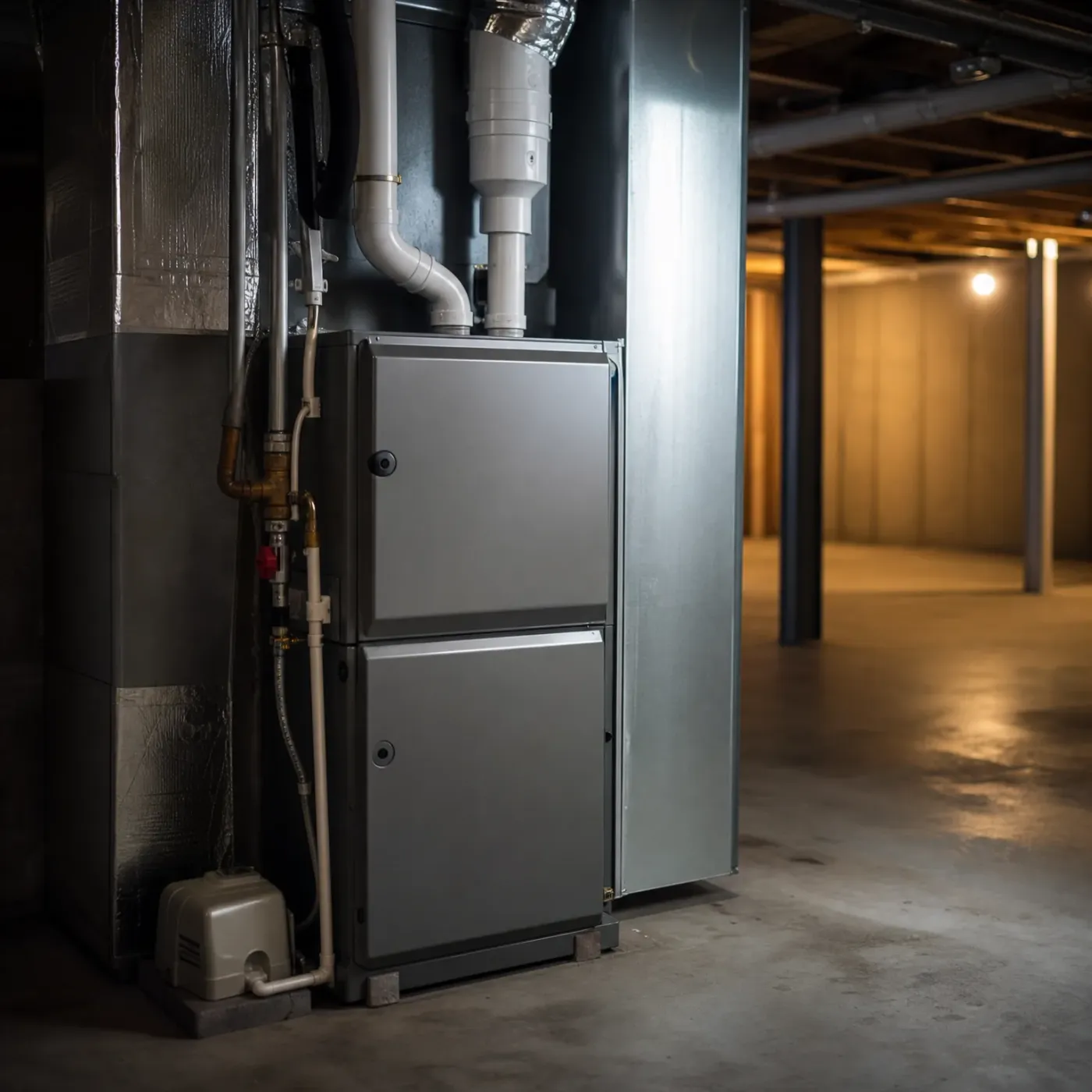
A pro who works on furnaces
Why your furnace won't shut off in Ohio
A furnace that keeps running past the point where your house feels warm enough usually points to one of a few things: a stuck relay, a thermostat set wrong, or a limit switch acting up. This page walks through what causes it and what to check before it turns into a bigger repair. If you'd rather have someone look at it, you can get matched with a licensed Ohio contractor who works on furnaces like yours all winter.
Match me with a proA furnace that won't shut off is usually stuck because the thermostat is calling for heat longer than it should, or a part that controls the burner is failing. Most Ohio homes run gas furnaces, and gas furnaces shut off through a thermostat signal, a limit switch, or a relay on the control board. If the thermostat is set to "on" instead of "auto", the blower runs nonstop even after the burners cut out, and that alone can look like the furnace never stops. If the flame keeps firing well past when the house is warm, the limit switch or the relay telling the gas valve to close may be stuck. Left alone, this means long stretches of burner time pushing your gas bill up, and a blower motor working far more than it needs to. It can also mean the furnace is overheating in ways the limit switch is trying, and failing, to catch. Worth checking before anything else: the thermostat mode and setting.
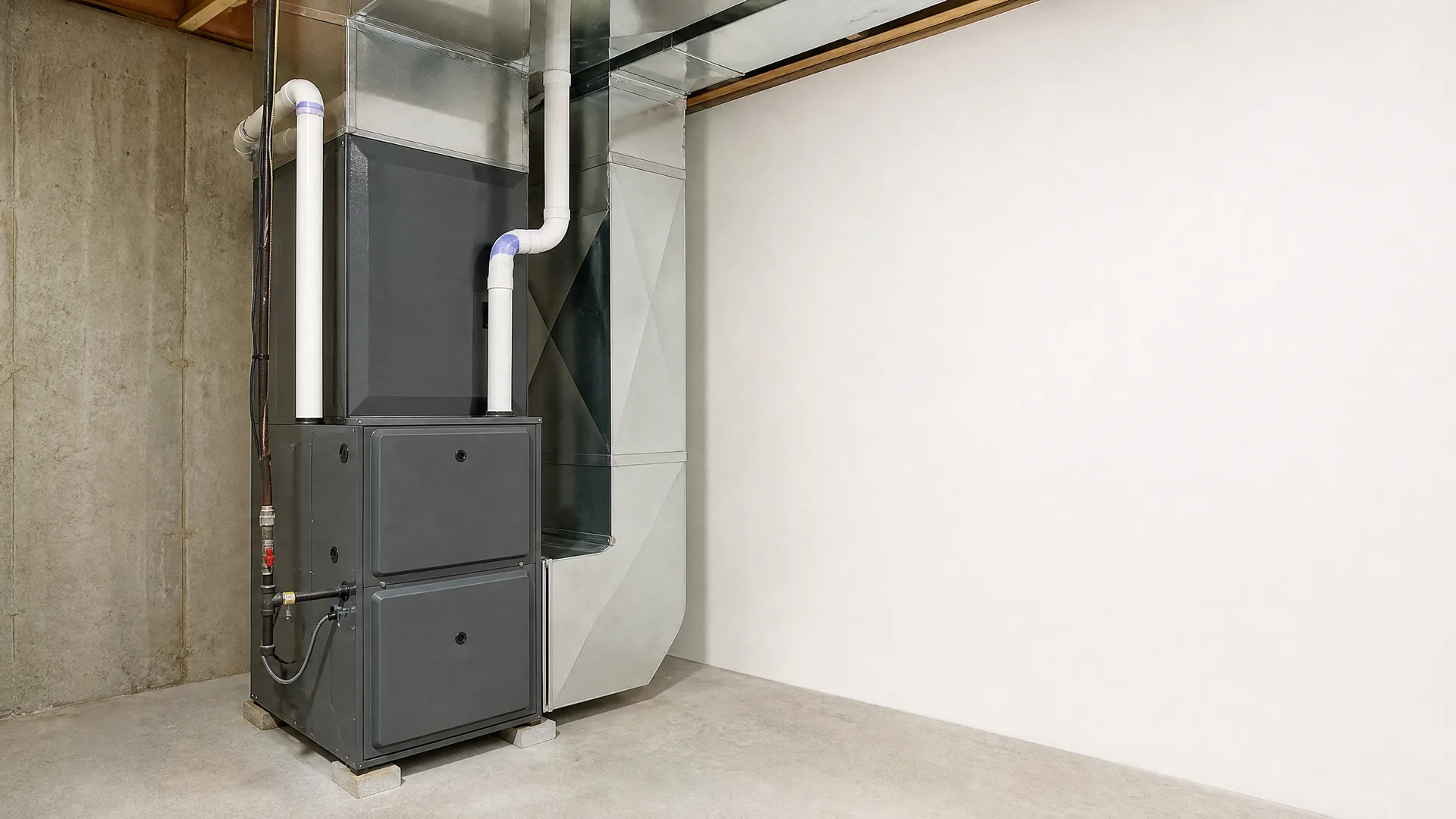
The limit switch has a job
Every gas furnace has a limit switch that reads the air temperature inside the cabinet. If the blower can't move air fast enough, or a dirty filter is choking it, that air gets too hot and the limit switch should shut the burner off. When the switch itself fails, it can't send that signal anymore, so the burner keeps firing well past the point where your house is already warm.
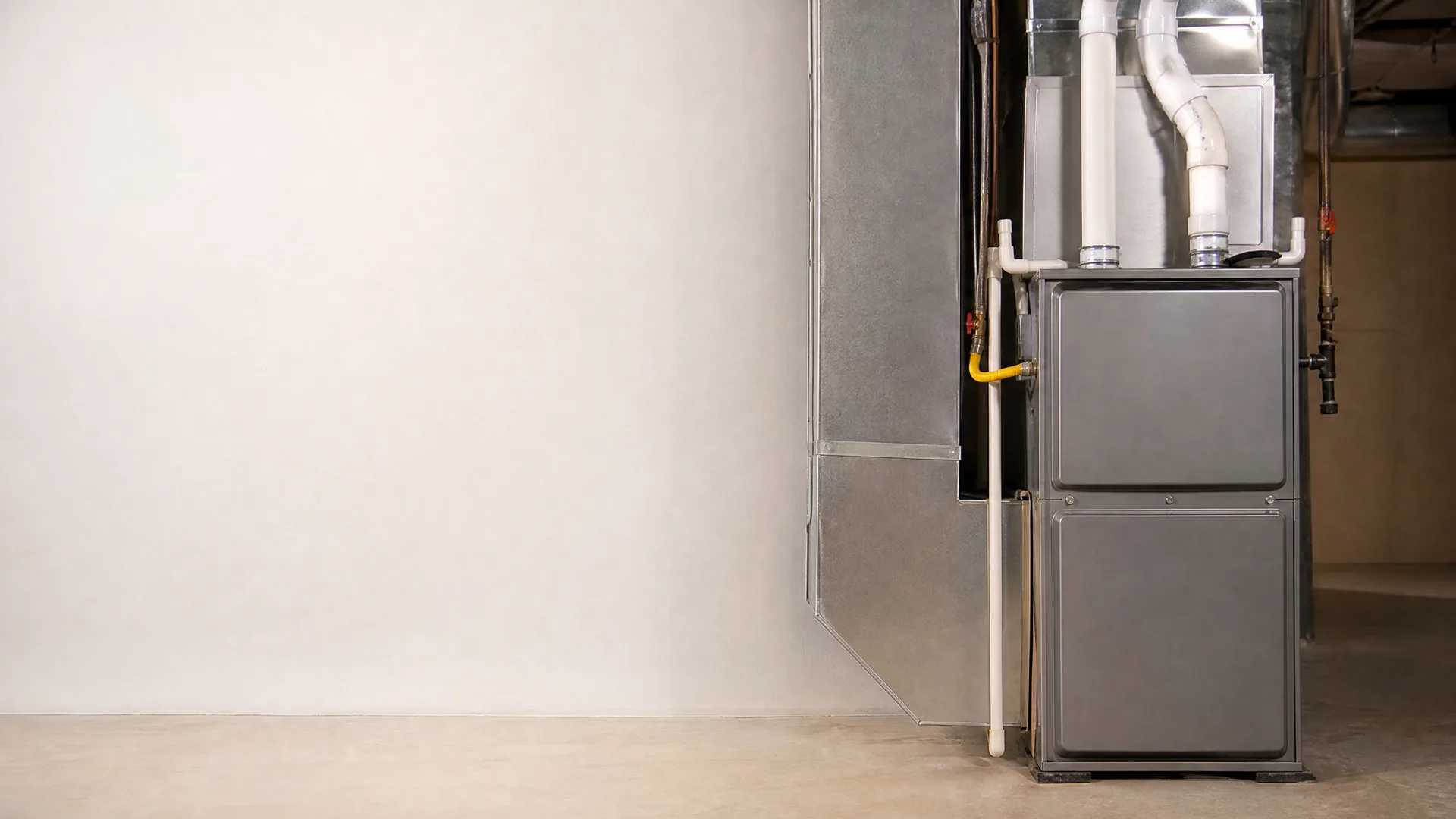
A stuck relay keeps the signal on
The relay is what tells the burner to stay lit once the thermostat calls for heat. It's a simple switch, on or off, and most of the time it works that way for years without trouble. When the contacts inside wear down or fuse together, the relay can get stuck in the on position. The thermostat stops asking for heat, but the signal downstream never breaks, and the furnace keeps running regardless.
Why does my furnace keep running even after the house is warm?
Your house hit the temperature on the thermostat ten minutes ago and the furnace is still running. You can hear it. The air coming out of the vents might even feel cooler than it did a while ago, like the burner shut off but the blower didn't. You're not sure if this is something to watch overnight or something that needs a call now, especially with how much a gas furnace running nonstop can add to an Ohio winter bill.
The blower relay or the thermostat signal is stuck, not the burner itself
Once the house reaches temperature, the thermostat is supposed to stop calling for heat, and that signal is what tells the furnace to shut the gas valve. If the furnace keeps running, the burner has often already cut off on its own, but the blower motor hasn't gotten the signal to stop. That's usually a relay on the control board that stays closed when it should open, or a thermostat wire sending a signal it shouldn't. A failing limit switch can cause the same thing from the other direction, by telling the board the air is still too hot to stop blowing. A technician checks the board and the switch before replacing either.
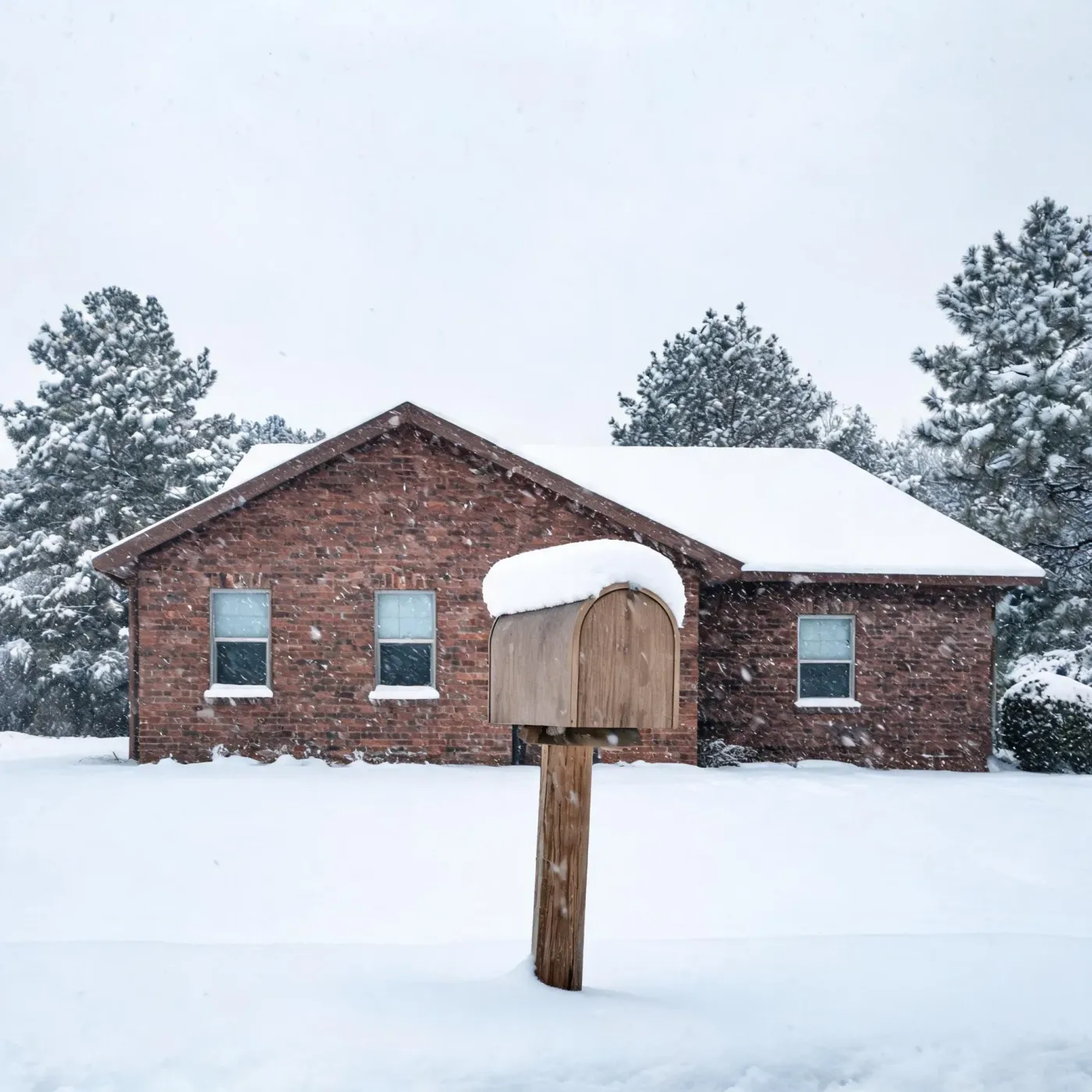
On a January night in Ohio, the temperature outside averages 23°F, according to NOAA climate data. At that mark, your furnace is cycling on more often and staying on longer each time to keep up, which is exactly when a stuck limit switch or a bad relay shows up. A furnace that would quietly fix itself on a mild 40 degree evening just keeps running when it's this cold, because the thermostat keeps calling and the part that's supposed to answer isn't doing its job. A furnace tech who works in your area knows that these cold nights are when this problem gets reported most, and they've likely seen the exact failure behind it before they even open your cabinet.
NOAA nClimDiv 1991-2020 county normals weighted by homes
Get your furnace to the right pro
A furnace that won't shut off doesn't wait for a convenient time to fail. It can run through a cold night while your gas meter keeps spinning and your house swings past comfortable into stuffy. By the time you notice the vents blowing warm air long after the thermostat should've cut it off, something upstream already needs attention, a relay, a switch, a thermostat that's lost its calibration. Guessing which one wastes time you don't have when it's 23 degrees outside and the furnace is the only thing standing between your family and the cold. A furnace tech who works in Ohio homes all winter has likely seen this exact failure dozens of times this season alone and knows which part tends to go first in weather like this. Getting matched with one licensed contractor near you, instead of fielding calls from several companies trying to win your business, means the person who shows up is already thinking about your furnace, not juggling a list of strangers.
A Running Furnace Has an Answer
- A furnace that won't shut off usually comes down to a stuck relay, a misread thermostat, or a limit switch that isn't catching overheated air.
- Running a gas furnace nonstop on a 23°F night wastes gas and pushes a failing part closer to real damage.
- A local contractor who services furnaces all winter has usually already seen whatever is causing yours to keep running.
- Matching you with one licensed contractor means one visit scheduled and one person to talk to, not a round of competing calls.
- Catching a bad limit switch or relay now costs less trouble than waiting for it to take the blower or heat exchanger down with it.
- The fix is usually a specific part replacement, not a new furnace, once someone qualified has looked at it.
A furnace that won't shut off almost always traces back to one part: a relay stuck closed, a thermostat misreading the room, or a limit switch that stopped catching overheated air before it should. None of those are mysteries to someone who works on furnaces all winter in Ohio. They've seen the relay that welds shut in January, the limit switch buried under years of dust, the thermostat wired wrong from a previous job. That's the kind of thing that gets spotted fast because it's familiar, not because it's guesswork.
Letting it run costs you twice. Gas keeps burning past the point your house needed it, and whatever part is failing keeps working past the point it was built to handle. A limit switch that should have cut the burner stays silent instead, and a blower that should have idled keeps pushing air it doesn't need to push. The part doesn't get better on its own.
When you request a match through this page, you get one contractor, local to Ohio and licensed to do the work, not a list of five companies calling within the hour. That contractor reaches out, looks at what your furnace is actually doing, and narrows it down to the part that's failing. Most of the time that's a relay or a switch, not a new furnace. Someone who sees this failure every winter knows where to look first.

Furnace Repair
The right pro for this job

- A local pro who knows furnaces gets your details and gets in touch.
- Describe your furnace job, and a local pro who handles it gets in touch.

- Send the request today and let a furnace pro reach out to you.
- Get the furnace repair search off your mind today.

- Explain the job once and skip repeating it on every call.
- Skip searching for a furnace pro and answer a few questions instead.

- Only one pro gets your request, so you hear from one company.
- Your request stays with one local pro.