
Why your furnace keeps turning on and off in Ohio

RepairFurnace or heatingOhio
Step 1 of 2

What ZIP code is the job in?

Why does my furnace keep turning on and off?

Your furnace fires up, runs for a few minutes, then shuts off, then starts again, over and over through the night. It's not keeping the house warm the way it should, and with how much Ohio winters lean on the gas furnace to keep everyone comfortable, that cycling gets your attention fast. You want to know what's making it do this before it leaves you with a cold house or a repair bill that could have been avoided.

Usually a dirty filter or a bad flame sensor

A furnace that keeps turning on and off, called short cycling, is most often caused by restricted airflow or a part that's failing to prove the flame is still lit. A clogged filter chokes airflow across the heat exchanger, the furnace overheats, and a safety switch shuts it down before it can finish a full cycle. A dirty or worn flame sensor does something similar, it can't confirm the burner is running, so the system cuts gas to protect itself. Either way, the furnace keeps restarting because the problem that tripped the shutdown is still there. With Ohio winters asking a lot of your furnace, and gas being how most homes here heat, a furnace that won't stay running is one that's working harder and burning more gas for less heat.

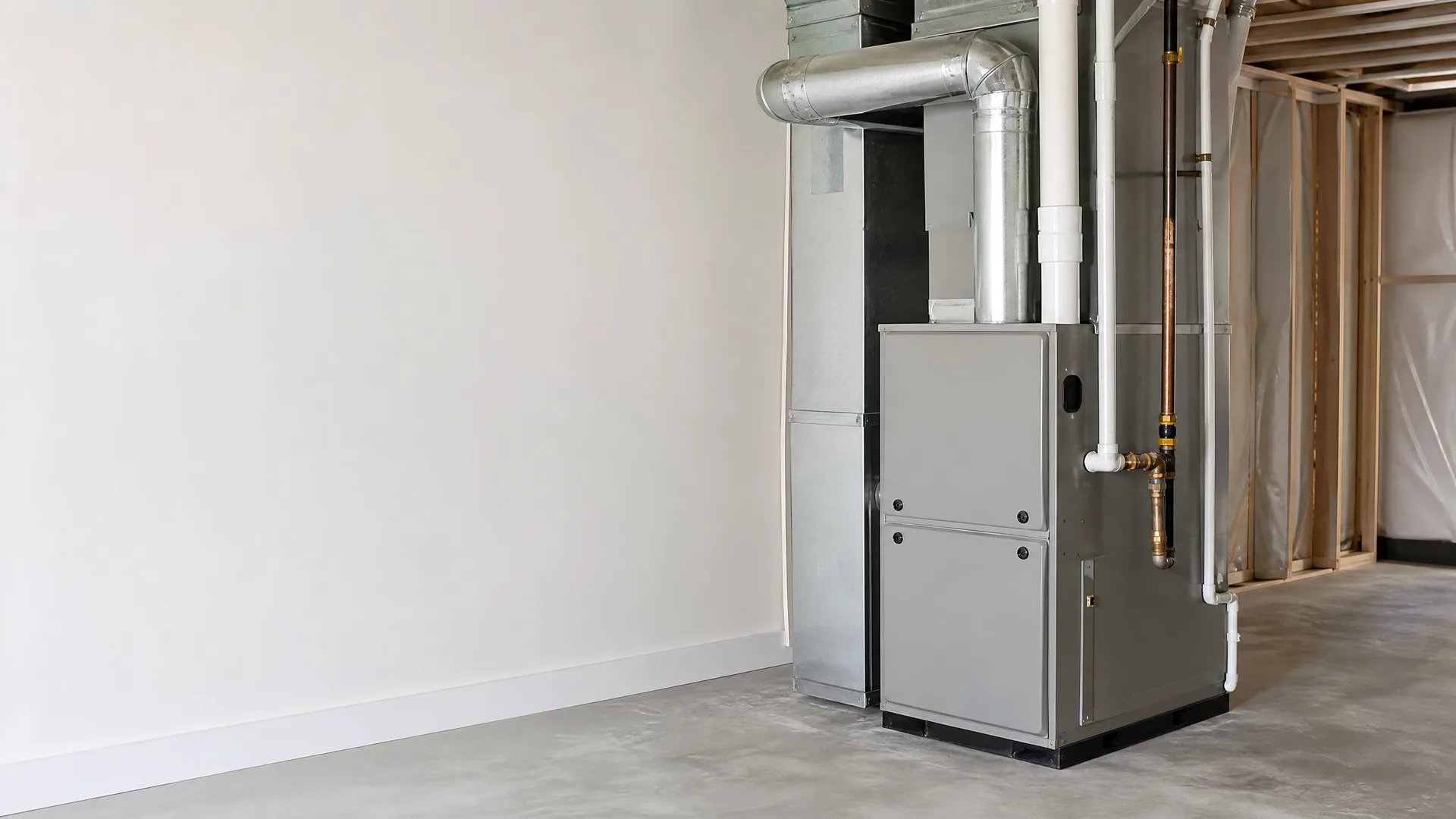
A gray high-efficiency furnace stands on a concrete basement floor beside galvanized sheet-metal ductwork, white PVC vent pipes, copper and black piping, and unfinished wood stud framing.

Normal cycling

A furnace running right switches on, warms the house for ten or fifteen minutes, then shuts off until the thermostat calls again. You'll hear it settle into a steady rhythm, longer runs when it's single digits outside, shorter ones on milder days. The blower stops only after the air in the ducts has given up its heat.

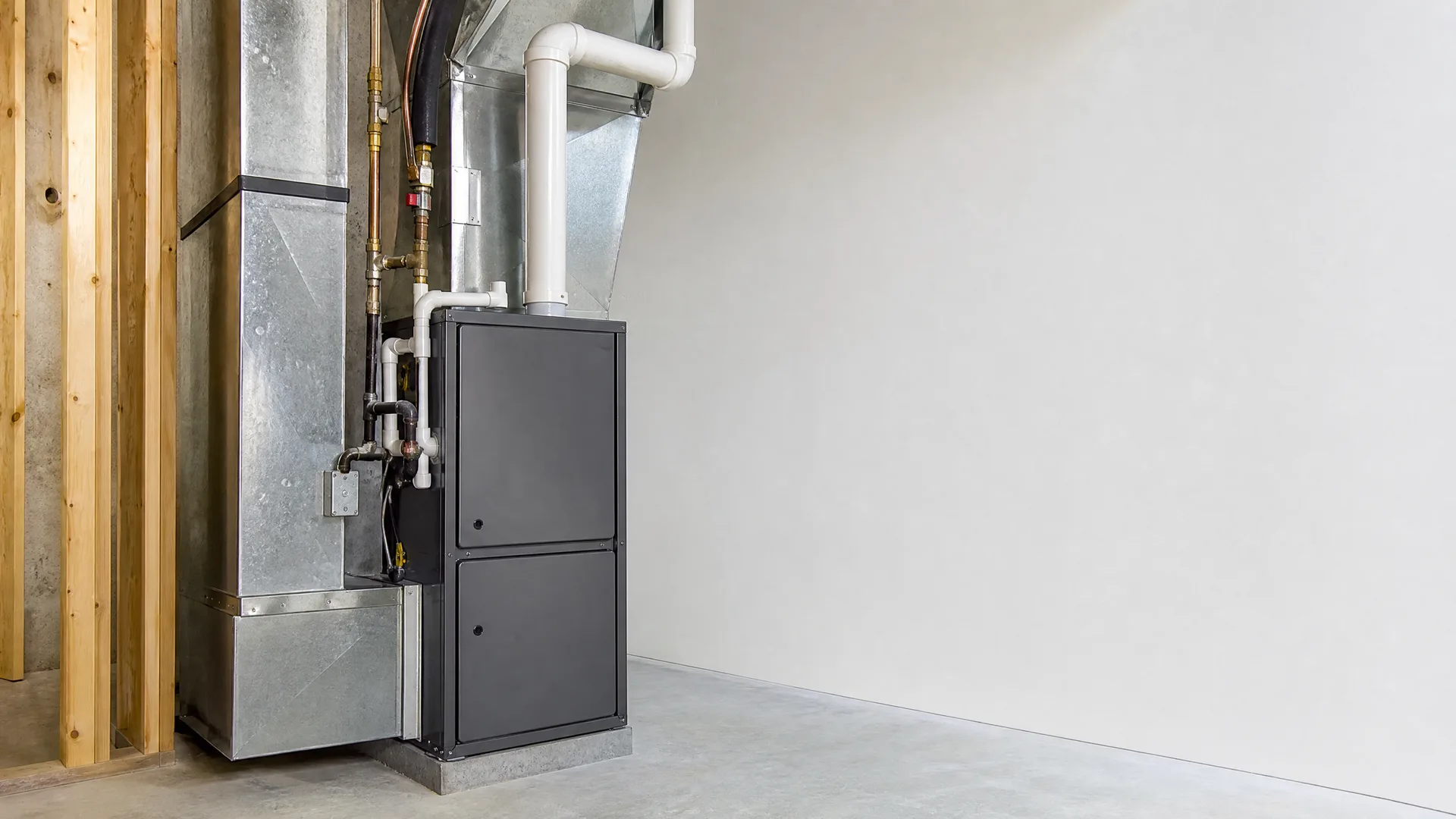
A gray furnace with two access panels stands on a concrete basement floor beside sheet-metal ductwork, with pipes, flexible conduit and an electrical box on the concrete wall to the left.

Short cycling

Here the furnace fires, runs a minute or two, and quits, then starts again shortly after. Rooms stay cold because the burner never runs long enough to heat the air moving through the ducts. Left alone through an Ohio winter, this wears on the igniter and the blower motor with every extra start.

Two Common Reasons for Short Cycling

Dirty filter

  • A clogged filter chokes airflow across the heat exchanger, so it overheats and the limit switch shuts the burners off early.
  • You can pull the filter and check it yourself, a gray or black filter you can't see light through needs replacing.
  • This is cheap to fix and doesn't need a part ordered, so a contractor can usually clear it in one visit.
  • If the filter hasn't been changed in a while, this is the first thing worth ruling out before anything else.

Failing flame sensor

  • A flame sensor coated with a thin layer of residue can't confirm the burners are lit, so the control board cuts gas to the burners seconds in.
  • This gets worse over a winter, short cycles at first, then the furnace won't stay running more than a minute or two.
  • Cleaning the sensor fixes it sometimes, but a sensor that's cracked or worn out needs to be swapped.
  • A contractor who works on furnaces all winter in Ohio sees this one often enough to check it early in a visit.
A dark gray furnace connected to galvanized sheet-metal ductwork, white PVC vent pipes and copper piping, standing against a plain light wall in a room with a bare concrete floor and exposed wood framing at left.

Why the limit switch trips first

The high limit switch sits near the heat exchanger and watches the temperature inside the furnace. When airflow is restricted, the heat built up by the burners has nowhere to go, and the metal around the switch climbs past its set point in minutes. The switch opens, the burners cut off, and the blower often keeps running to pull the heat down. Once the exchanger cools, the switch closes again and the burners relight, so the furnace repeats the same short cycle instead of running the fifteen minutes it needs to heat the house.

A gray high-efficiency furnace with sheet-metal ductwork, white PVC vent pipes and copper piping stands against a wall in an unfinished basement with a concrete floor and insulated wood stud framing at right.

What a flame sensor actually does

A flame sensor is a thin metal rod sitting in the burner flame, wired to confirm combustion is actually happening after the igniter lights the gas. A light coating of carbon on the rod is enough to weaken that signal. The control board reads it as no flame, even though the burners did light, and shuts the gas valve as a safety measure seconds later. That cycle, light, sense failure, shutoff, repeats every time the thermostat calls, and it's one a local contractor can usually clear by cleaning the rod rather than replacing it.

A woman stands in the open front doorway of a single-story house with a dark hipped roof and light siding, while a man in a navy jacket and cap is seen from behind in the foreground on the paved walkway.

What short cycling does to your house

A furnace that keeps shutting off early can't finish heating the air it just pulled in, so the house settles into a draft instead of warmth. You'll feel it most in the rooms farthest from the furnace, upstairs bedrooms, the far end of the house, places that never quite catch up. Meanwhile it's cycling on and off more times an hour than it should, and each start draws a jolt of power to light the burners and spin up the blower. With power rates in Ohio what they are, that adds up on a bill you'll notice before you can point to why.

Left alone, the stop and start wears on the parts doing the stopping and starting, the igniter, the limit switch, the blower motor. A furnace technician working Ohio winters sees which of those usually gives out first and checks it before guessing. If you'd rather have someone look at the actual unit in your house than keep resetting the thermostat, you can get matched with a licensed local contractor who takes it from there, one contractor, not a handful calling you back.

A light gray sofa with gray and beige textured throw pillows and a cream knit blanket beside a white-framed window, with a small round side table holding a ceramic vase and potted greenery.
A gray high-efficiency furnace with white PVC vent pipes stands beside sheet-metal ductwork and a water heater in an unfinished basement with concrete walls and wood framing.

Running the way it should

This is a furnace heating a basement the way it's meant to, tied into sheet-metal ductwork with PVC flue pipes venting out. Air moves freely through the system and the burners stay lit long enough to actually heat the house before shutting off.

A beige gas furnace with a metal flue pipe stands in a basement against concrete block walls, beside sheet-metal ductwork, copper and white plastic pipes, and a water heater at right.

Older furnace, more to watch

This one sits on galvanized ductwork with copper and PVC lines running beside it, the kind of setup you find in older Ohio basements. Age alone doesn't cause short cycling, but a furnace like this has had more years for a part to wear down or a connection to loosen.

A woman in a gray turtleneck sweater sits on a beige sofa in a living room, looking toward a curtained window with blurred greenery outside.
A woman in a brown knit sweater leans back on a sofa with her eyes closed and arms spread along the cushions, in a blurred indoor room with a window, potted plant and kitchen counter behind her.
A woman in a cream sweater sits on a gray sofa with textured cushions, smiling and looking off to the side, with a blurred living room, plants and a pendant lamp behind her.
A woman in a dark green sweater sits on a gray sofa in a living room with a large houseplant, a framed picture, a fireplace, and windows in the background.

The right pro for this job

A furnace that keeps shutting off early isn't going to fix itself by running longer on its own. Something is making it trip, a limit switch, a flame sensor, a blower that's not pulling its weight, and it'll keep doing it until that part gets looked at. Waiting it out means more nights of a house that won't hold heat, and in an Ohio winter that's not a small thing, especially with what gas and electric both run here. A local contractor who works on furnaces all winter has seen this exact pattern plenty of times and knows where to look first, whether that's the filter, the switch, or the flue. Getting matched means one contractor who covers your area takes on your furnace, not a handful of companies competing for the job. Put in what's going on and let someone who does this for a living take it from here.

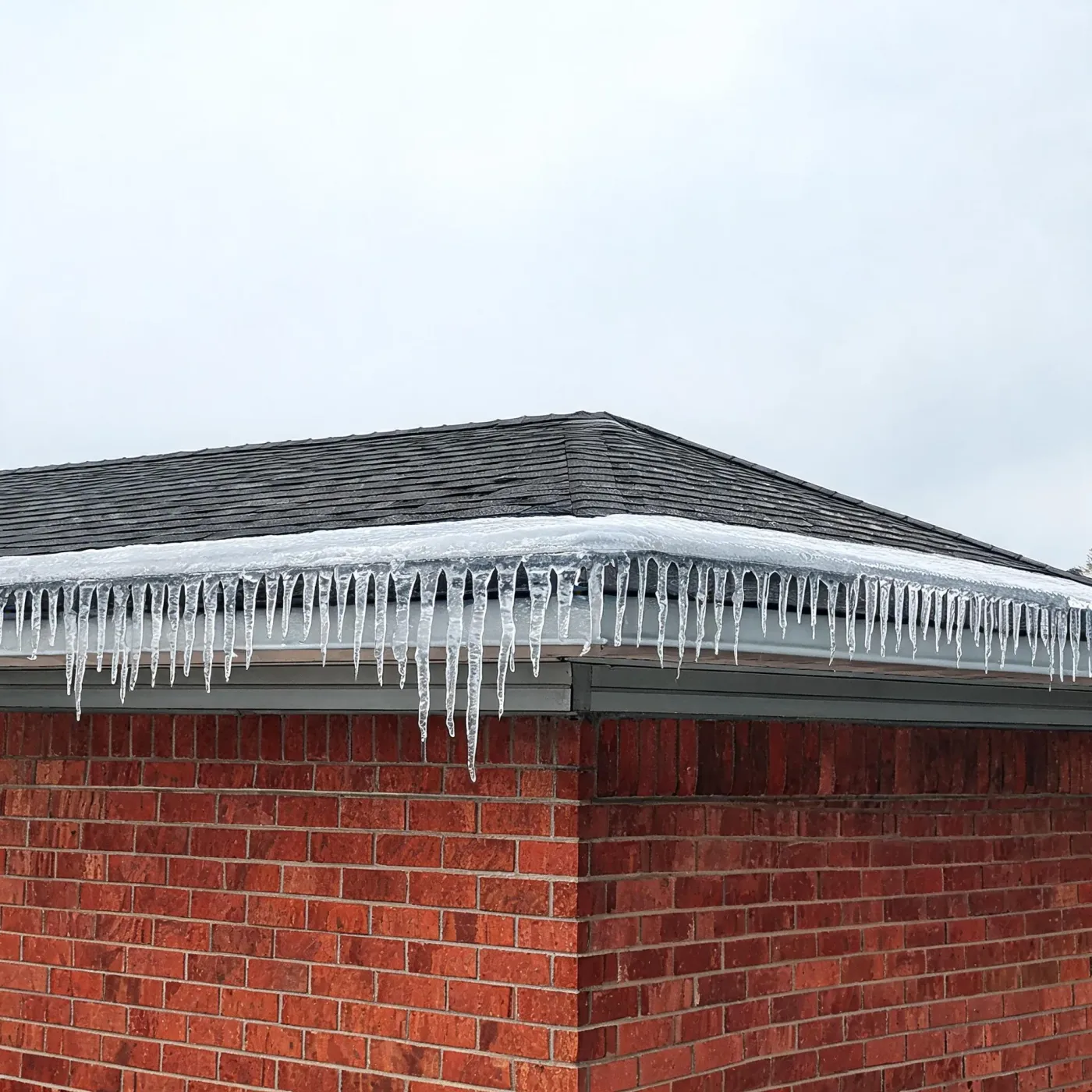
Corner of a red brick building with a dark shingled hip roof, a row of icicles hanging from the ice-covered gutter, under an overcast white sky.

Statewide, winter nights average 23°F. That's cold enough that your furnace should be running long, steady cycles most of the night, not short bursts. When it's short cycling instead, the burners are shutting off well before the house reaches temperature, so the furnace ends up firing again and again trying to catch up to a demand it never finishes meeting. You'll notice the thermostat calling for heat more often than it should on a night that cold, and rooms staying cooler than the setting even though the furnace sounds like it's working constantly. Source: NOAA climate normals.

NOAA nClimDiv 1991-2020 county normals weighted by homes

A beige high-efficiency furnace in an unfinished basement, with white PVC vent pipes, a yellow gas line, metal ductwork, and exposed wood framing on a concrete floor.
A furnace like this moves air freely through clean ductwork, so the burners stay lit until the house actually reaches temperature.
An older beige furnace with two louvered vent panels stands on a concrete basement floor, connected to galvanized ductwork and a metal flue pipe, with gas piping and flexible conduit on the wall behind.
An older unit crowded by iron gas pipe and a narrow flue is more likely to choke on restricted airflow and short cycle.

The flame sensor is a thin metal rod sitting right in the burner flame, and its whole job is to prove to the control board that gas is actually burning. It does this by passing a tiny electrical current through the flame itself, a few microamps, nothing more. Over time that rod picks up a coating of carbon or oxidation, the same way a spark plug fouls, and the current drops. Once it drops below what the board needs to see, the board shuts the gas valve as a safety measure, even though the flame was real. That's one sensor working exactly as designed, reading a flame it can no longer trust. The furnace relights a few seconds later, builds a flame, and the weak signal trips the same shutdown again. From the living room it sounds like the furnace can't make up its mind. From the burner compartment it's one coated rod doing its job with a signal too weak to believe.

Winter nights average 23°F statewide

At 23°F, your furnace needs a full, uninterrupted cycle to catch up before the next one starts. Shutting off early at that temperature means the house loses ground fast, and the rooms farthest from the furnace feel it first.

NOAA nClimDiv 1991-2020 county normals weighted by homes

Where Your Furnace Stands

  • Short cycling almost always traces back to one part: a limit switch, a flame sensor, or a blower not moving enough air.
  • A dirty filter is the easiest cause to check yourself before anything else gets looked at.
  • At 23°F on a typical Ohio night, your furnace needs a long, uninterrupted cycle to catch up, not repeated short bursts.
  • Rooms farthest from the furnace lose heat first when cycles end early, and they're the clearest sign something's wrong.
  • The problem won't resolve by itself and will keep repeating every cycle until the part causing it gets replaced.
  • A furnace moving air freely through clean ductwork runs the way yours should: burners lit until the house is actually warm.

Short cycling has a cause, and it's mechanical, not mysterious. Somewhere in the system, a limit switch is tripping early, a flame sensor isn't reading the flame right, or the blower isn't pushing enough air to keep up with the burners. Each one shuts the furnace down before the house gets warm, and each one will keep doing it, cycle after cycle, until it's dealt with. Start with the filter. It's the one thing in this whole chain you can check tonight, and a clogged one is often enough on its own to choke airflow and trip the limit switch early. If swapping it doesn't change anything, the cause is further in, at the sensor or the switch or the blower motor itself, and that's a job for someone who can test those parts rather than guess at them. At 23°F, which is a normal night across Ohio this time of year, your furnace doesn't have room for shortcuts. It needs the full length of its cycle to bring the house up to temperature, and every early shutoff costs ground that the next cycle has to make up. You'll feel that first in the rooms farthest from the furnace, the ones that depend most on a complete, steady run. A furnace moving air freely through clean ducts doesn't have this problem. Yours shouldn't either, and figuring out what's stopping it is the only way the short cycling stops.

A smiling older woman with gray shoulder-length hair in a cream cable-knit turtleneck sweater stands behind a wooden board holding a round loaf of bread, in a warmly lit kitchen with a dark window and shelves behind her.
A woman with dark hair in a bun sits wrapped in a chunky knit blanket on a couch with a child resting his head on her shoulder, eyes closed, beside a lit lamp and bookshelf indoors.

Matched to your furnace job

A furnace that short cycles has a specific part behind it, a limit switch, a flame sensor, or a blower not pulling its weight, and it won't sort itself out on its own. Finding which one takes someone who works on furnaces all winter in Ohio and knows what tends to fail first. Request a match and a licensed local contractor reaches out, just the one, so you're not fielding calls from several companies while the house runs cold.

Get one local pro

Your request goes to one pro, not a list of companies.

No charge to send it. You decide if you hire them.