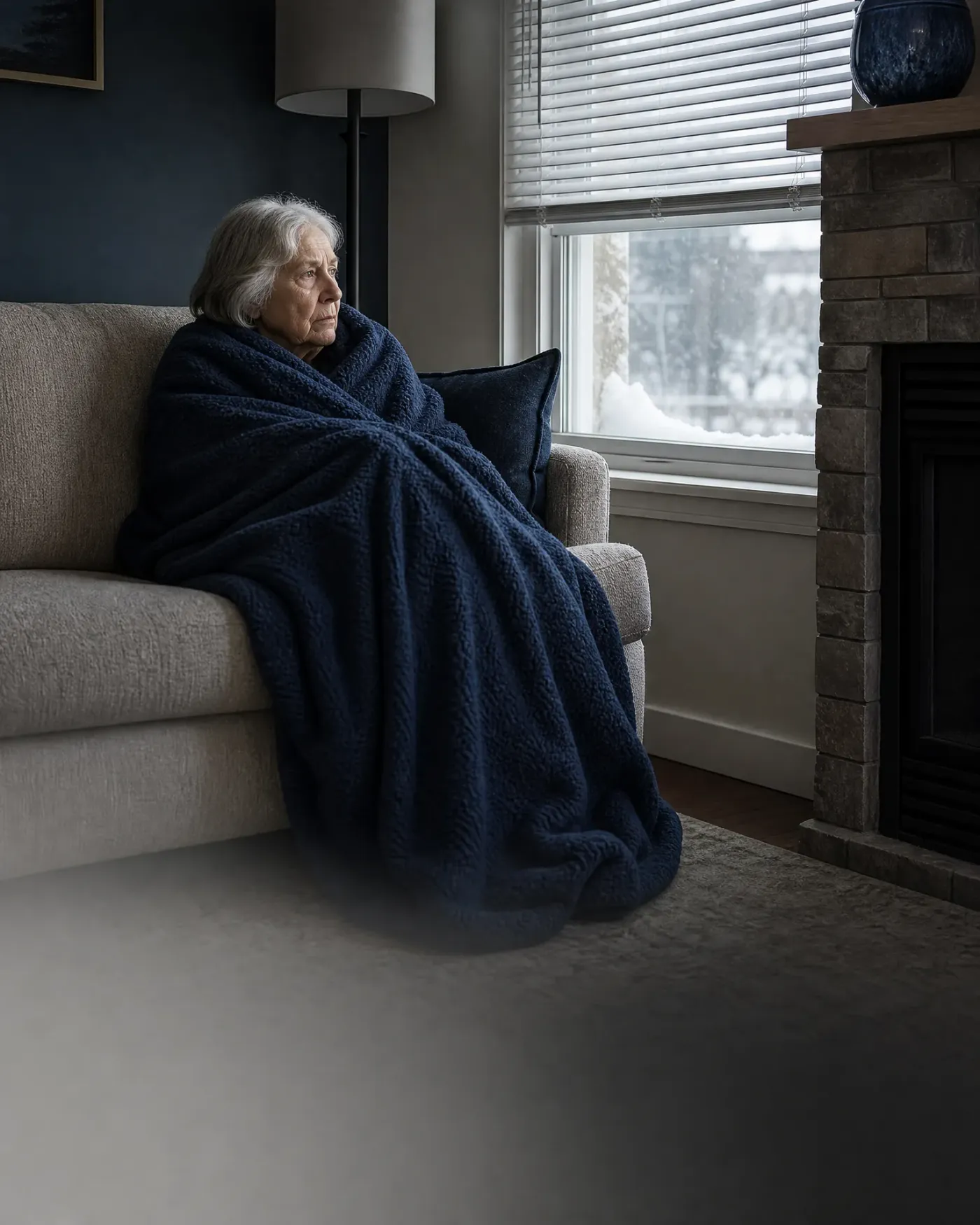
Furnace blowing cold air in Troy, OH
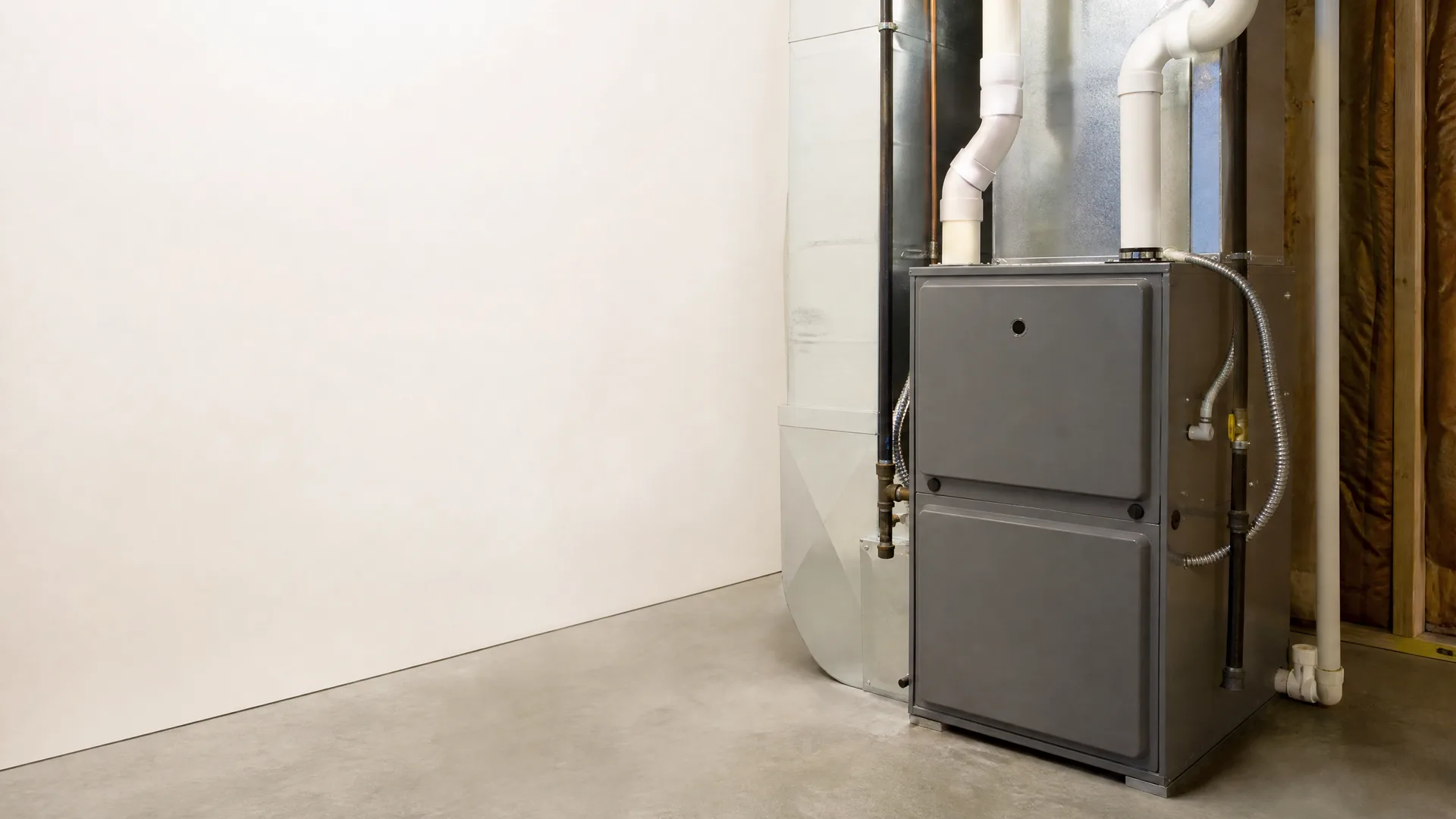
A furnace blowing cold air usually means the blower is running but the burners aren't lighting, or they're shutting off right after they start. The igniter may be too weak to catch the gas, or the flame sensor has built up a film and shuts the burners down within seconds, so the fan keeps moving air that never got heated. Sometimes it's simpler: the thermostat fan setting is on "on" instead of "auto", which runs the blower constantly between heating cycles. On a cold Troy morning this isn't a small thing to live with, and letting it run can crack a heat exchanger if the burners are short-cycling. Most homes in Miami County heat with gas, so this is a common call. Checking the thermostat setting first costs nothing. If that's not it, the furnace needs someone to look at the igniter, the flame sensor and the pressure switch to find which one is stopping the burners from staying lit.
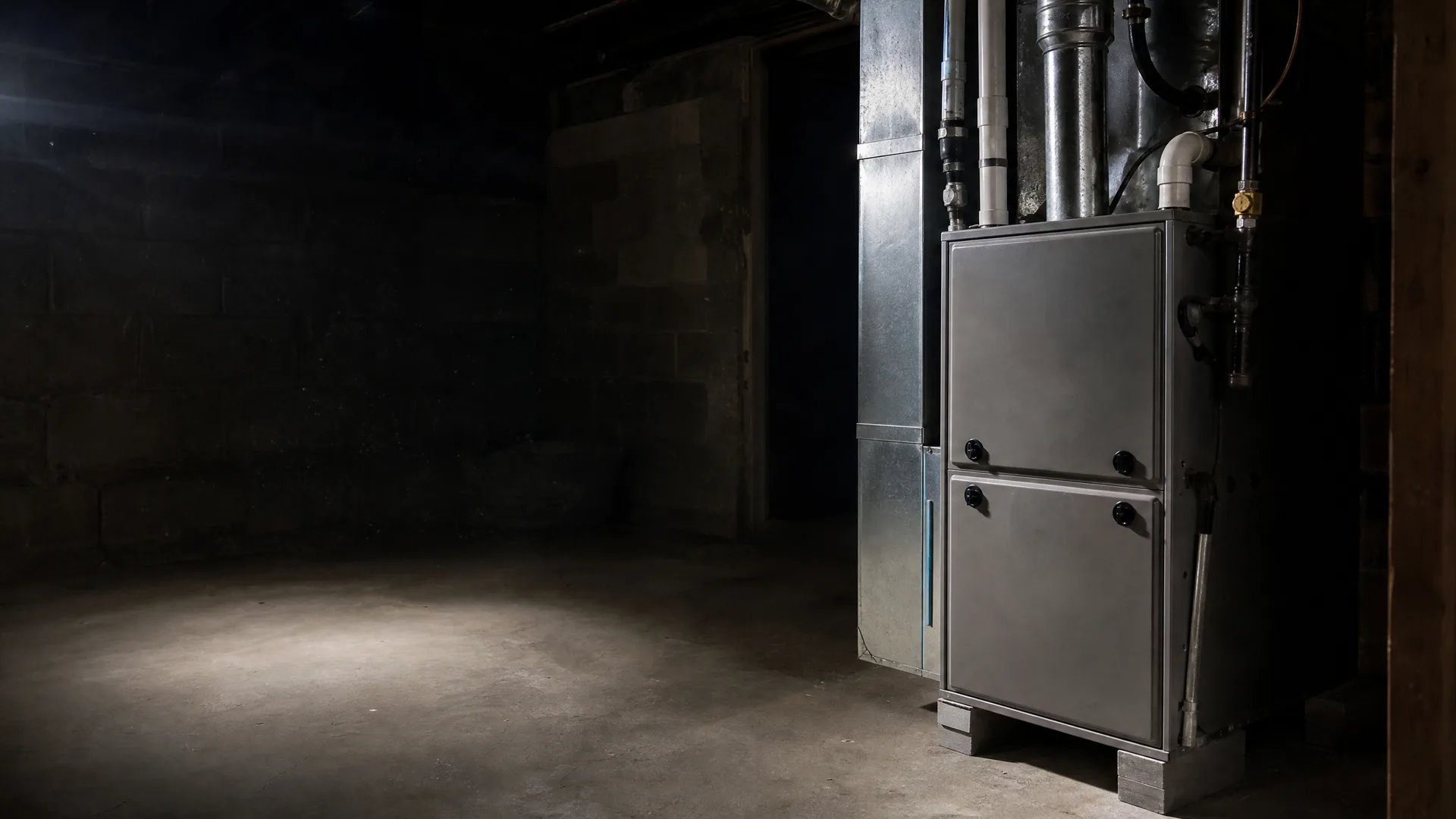
You're down in the basement around six, after dark, because the air coming out of the vents upstairs turned cold instead of warm. The furnace is sitting there with its blower running, a low steady hum, but the burners aren't lit. No orange glow through the sight glass. Just a faint haze of dust catching the light from your phone as you crouch down to look. Outside it's a November night in Miami County, the kind where the temperature's already dropping hard, and the house is going to feel it within the hour. You press your hand near the vent and feel only the air the blower is pushing, no heat behind it at all.
Ignition Problem or Something Else
Blower keeps running, no flame
- The igniter glows when it works right, and a weak one can't get hot enough to light the gas even though the blower still turns on.
- A flame sensor coated with a thin film will tell the control board there's no fire and shut the gas valve, even while the burners tried to light.
- If the burners light and then cut out within a few seconds, that's usually the flame sensor, not the igniter, since it's shutting things down after ignition.
- A cracked or failed igniter won't glow at all, so the gas valve never opens and the blower just pushes room-temperature air through the vents.
- Pressure switches can also stop ignition if the inducer motor isn't drawing enough air, which reads the same from upstairs as a bad igniter does.
Nothing wrong with ignition itself
- If the thermostat fan setting is on instead of auto, the blower runs nonstop between heating cycles and pushes cool air whenever the burners aren't firing.
- A dirty filter restricts airflow across the heat exchanger, and some furnaces respond by cutting the burners short while the blower keeps going.
- Short cycling, where the furnace fires for under a minute then stops, points at a limit switch or airflow problem rather than the ignition components.
- Ductwork that runs through an unheated basement or crawlspace can cool the air on its way to the vents even when the furnace is heating normally.
- A thermostat reading the wrong temperature, from a bad sensor or poor placement, can call for heat at the wrong times and make the furnace seem to blow cold when it's cycling correctly.




Hand off the search today
The pro who reaches out is licensed in Ohio.
You're not committing to anything by asking.
Why the igniter fails first
A furnace igniter heats up every time the thermostat calls for heat, several times a day in January. That glow bar is thin and brittle, and it weakens a little each cycle. Once it can't reach the temperature needed to catch the gas, the blower still runs on schedule, but no flame follows. Miami County winters mean long stretches where the furnace cycles on and off for hours at a time, and that steady use is what wears an igniter down until it stops lighting the burners at all.
What the flame sensor actually does
The flame sensor is a thin metal rod sitting in the burner flame, and its only job is to confirm fire is present. A film builds up on it over a season of use, and once that film is thick enough, the rod can't sense the flame even when the burners did light for a second. The control board reads that as no fire and cuts the gas valve as a safety step, which is why the burners may fire briefly and then go out before the house ever feels warm air.
Winter nights average 23°F
At 23°F, your furnace is firing most nights from December through February just to keep up. That's a lot of cycles asking an igniter to light the gas, and a weak one or a dirty flame sensor is more likely to show itself on a cold night than a mild one.
NOAA nClimDiv 1991-2020
Cold Air, Not a Mystery
- Cold air from the vents with the blower running points to the igniter or the flame sensor, not the thermostat.
- A furnace that short cycles before it warms the house is shutting burners off right after they light, usually the flame sensor.
- These parts wear out from regular use and tend to fail on the coldest nights, when the furnace is working hardest.
- A local contractor who works on furnaces all winter in Miami County has seen this exact problem many times over.
- Sending one request means one licensed contractor looking at your furnace, not a handful of companies calling about the same job.
- Once the igniter or sensor is replaced, the burners light and stay lit, and warm air comes back through the vents.
Cold air from the vents while the blower runs is the furnace telling you the burners aren't staying lit. That almost always traces back to the igniter or the flame sensor, two small parts that take the brunt of every heating cycle. The igniter has to get hot enough to catch the gas each time the thermostat calls for heat, and after enough winters it weakens to the point where it glows but can't quite do the job. The flame sensor has a simpler task, confirming the flame is there, but a thin film builds up on it over time and it starts reporting no fire when there is one. Either way the control board shuts the gas valve as a safety measure, and the blower keeps pushing air that never got warm. This shows up most on the coldest nights in Troy and around Miami County, because that's when the furnace is cycling hardest and a weak part finally gives out. It's a mechanical failure, not a thermostat setting or anything you did. A contractor who works on furnaces through the winter here has seen this pattern enough times to know where to check first. Sending one request puts one licensed, local contractor on the job, so you're dealing with a single visit instead of fielding calls from several companies. Once the worn part is replaced, the burners light on the next call for heat and stay lit, and the air coming through the vents goes back to warm.




Hand off the furnace problem
Only one pro gets your request, so you hear from one company.
It costs nothing to send, and you don't have to hire anyone.