When it's working right
Flip the thermostat up and warm air follows within a minute or two. The burners light, the blower kicks on, and the air at the vent keeps climbing until the house reaches the set temperature. No cold blast first, no delay.
Cold air from your vents usually means the burners aren't lighting, even though the blower still runs. The igniter has failed, the flame sensor is dirty, or the gas valve isn't opening, so the system pushes air through the ducts with nothing heating it first. A thermostat set to "fan" instead of "auto" does the same thing, and it's worth a quick check before anything else. Sometimes it's more basic: a dirty filter or a tripped limit switch can shut the burners off as a safety measure while the blower keeps moving. None of this is something to leave running through an Ohio winter. A furnace blowing cold air isn't heating your home, and depending on what's failed, it may be cycling in a way that strains the blower motor or the circuit it runs on. The fix depends on which part failed, and that takes someone who can test the igniter, the sensor and the gas valve directly rather than guess.

Flip the thermostat up and warm air follows within a minute or two. The burners light, the blower kicks on, and the air at the vent keeps climbing until the house reaches the set temperature. No cold blast first, no delay.

The blower runs the same as always, but the air at the vent stays at room temperature or colder. You can hear the system cycling. What you don't hear is the burners catching, because something upstream of them isn't doing its job.
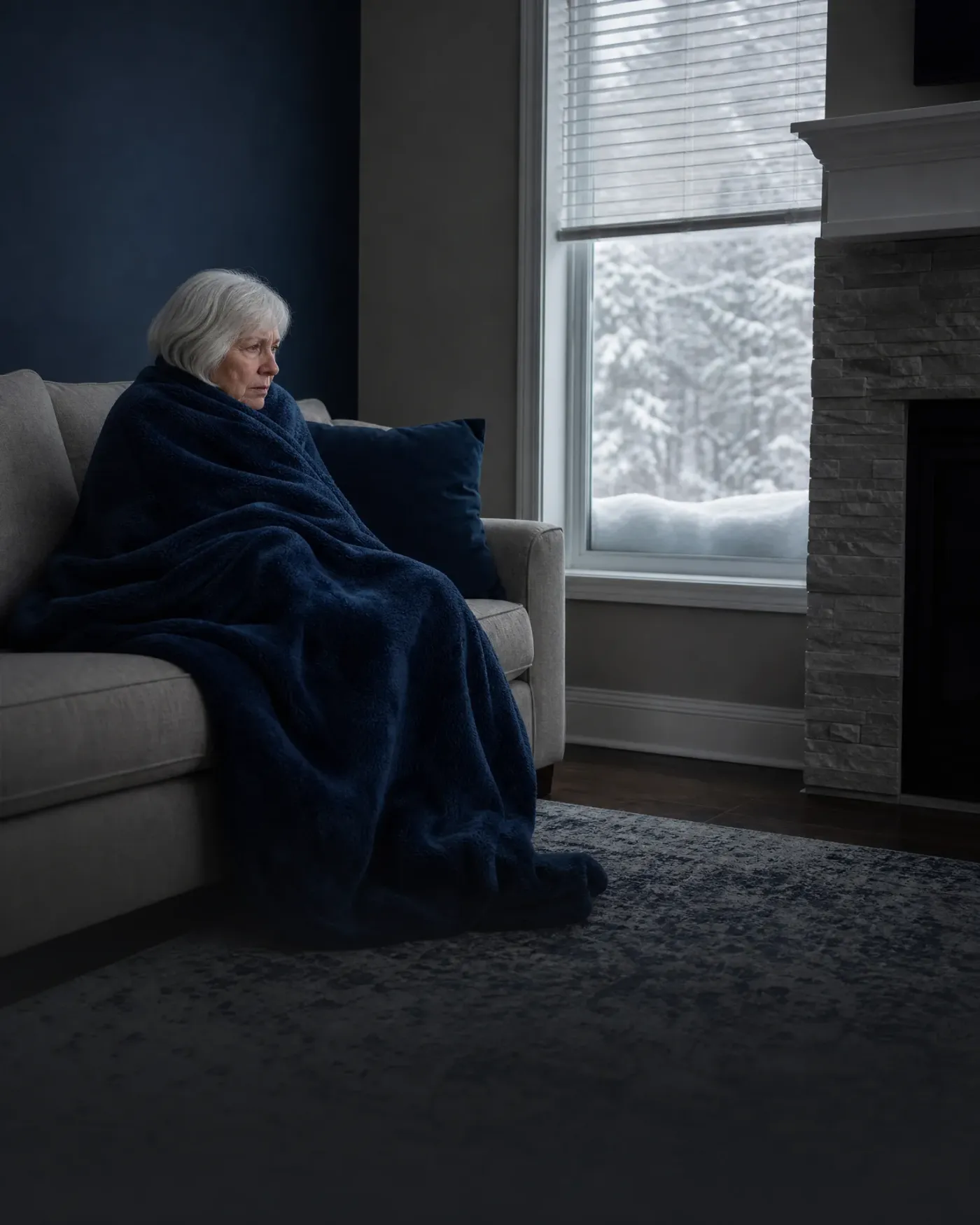
Stand at the vent and you'll feel it right away, a steady stream of air that never turns warm, or warms for a few seconds and quits. The thermostat might read the right setting and the blower sounds normal, but the rooms don't climb. Some furnaces will try to light a few times, you'll hear a click and a pause, click and a pause, before giving up. Others just run the blower on cold straight through. Left alone through an Ohio winter, a house that won't heat past the low 60s puts pipes at risk once temperatures outside drop hard, and a furnace that keeps retrying its ignition without success will often lock itself out until it's reset.





This is what a working setup looks like: clean venting, tight connections, a furnace that fires every time the thermostat calls. The burners light, the blower pushes warm air through the ducts, and the condensate line and gas pipes stay sealed and dry. Nothing here fights an Ohio winter unnoticed.

Dust built up like this on the cabinet often means the burners haven't been serviced in years. A furnace this old is more likely to lose ignition partway through a cycle, leaving you with a blower that runs but air that never warms. Flexible gas lines and aging connections are worth a technician's eye.

The thermostat closes a circuit, and the control board opens the gas valve while the igniter heats up. On most furnaces built in the last couple decades that's a hot surface igniter, a thin ceramic strip that glows and lights the burners directly. Older units use a spark igniter to light a small pilot flame first. Either way, once the burners catch, the flame sensor has to detect that fire within a few seconds or the board shuts the gas valve back down as a safety measure. Only after the flame sensor confirms a steady flame does the blower motor turn on, which is why a working furnace never pushes cold air first.
If the igniter cracks, the flame sensor is coated with carbon, or the gas valve doesn't open on command, the board still runs the blower on its normal cycle. Air moves through your ducts right on schedule, it just never passes over a flame. A contractor who works on these systems every winter can usually tell which of those three it is within a few minutes of testing, rather than you guessing through a string of companies, explaining the same cold air complaint to each one, and waiting on quotes before someone finally opens the cabinet.

Thermostat calls for heat and the control board wakes up
Inducer motor starts and proves the vent is clear
Igniter heats up or the pilot lights the burners
Flame sensor confirms the burners caught, or shuts gas off


An ignition problem doesn't fix itself, and most people don't have a furnace repair contractor already lined up when the blower starts pushing cold air through the house in January. Without that, you're searching for someone local, calling around to see who answers, explaining the same symptoms more than once, and weighing quotes from companies you've never worked with before. Ohio winters don't leave much room for that back and forth. Submitting your address and what you're seeing at the vent connects you with a licensed contractor who works on furnaces in this area all winter and knows how often a bad igniter or a dirty flame sensor is behind exactly this complaint. One contractor gets your request, not a handful, so you're not fielding calls from five different companies while your house sits cold. The part still has to be diagnosed and replaced. What changes is how fast you get to someone who can do it.
The flame sensor is a thin metal rod sitting right in the burner flame, and over years of use it builds up a layer of carbon and oxide on its surface. That coating acts like insulation. The sensor reads flame by passing a tiny current through the rod and into the flame itself, and once the coating gets thick enough, the current can't get through even though the burners are lit. The control board reads that as no flame and cuts the gas to protect the house, so the blower keeps running on a cabinet that's gone cold. It's one of the most common reasons a furnace lights, runs a few seconds, then quits.
The blower motor and the gas valve are controlled separately, so one failing doesn't stop the other. The control board turns the blower on whenever the furnace is calling for heat, on a timer or on temperature, regardless of whether the burners actually caught. That's by design. A furnace that failed to ignite still needs to move air for safety and for the thermostat to keep reading the room correctly. So you get the part that feels like the problem, air moving through the vents, without the part that makes it work, which is the gas igniting below it.
With overnight lows around 23°F across December, January and February, your furnace is running for long stretches to hold the house steady. If ignition fails on a night that cold, the air coming through the vents cools the rooms fast instead of just sitting flat.
NOAA nClimDiv 1991-2020 county normals weighted by homes


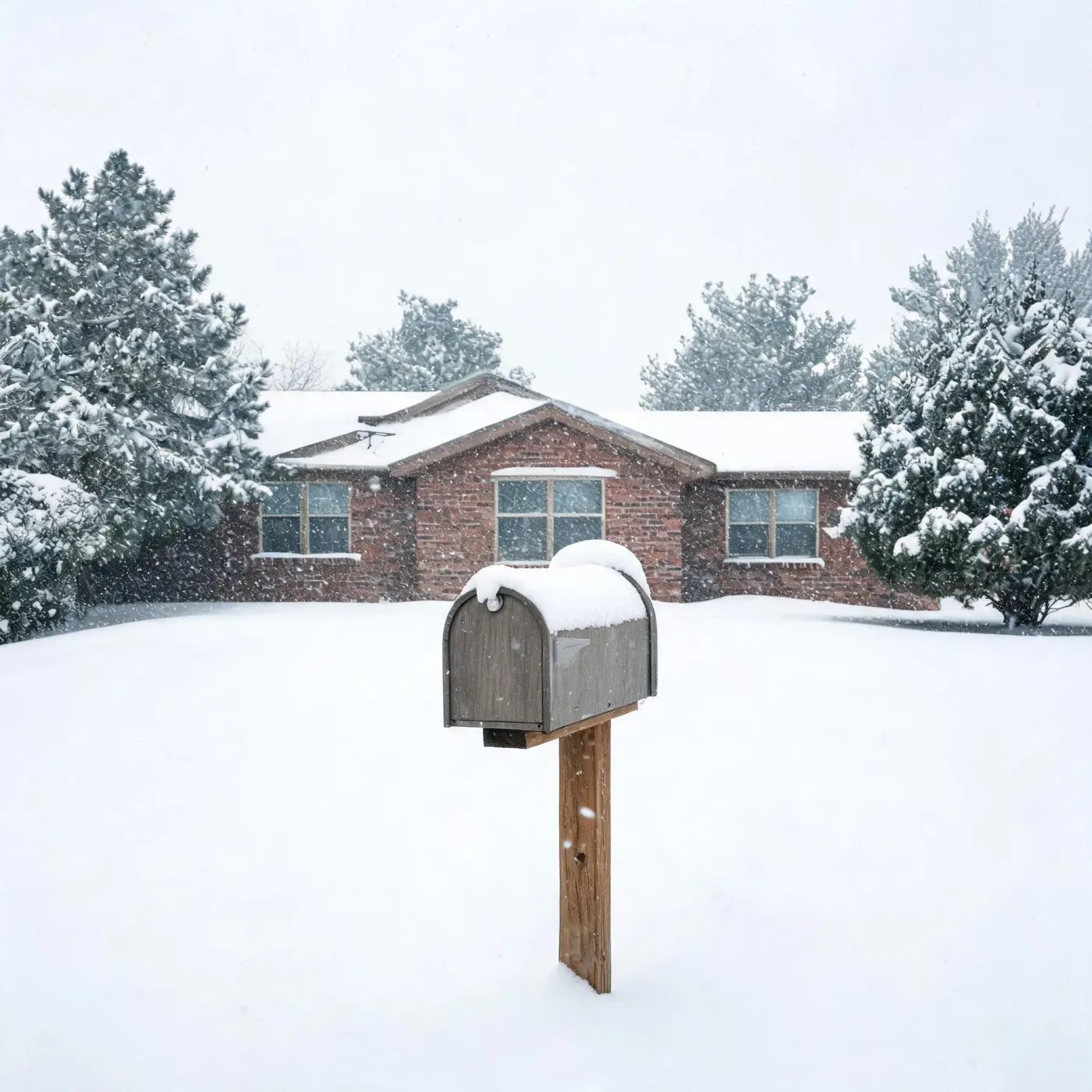
Statewide, winter nights average 23°F, and your furnace has to run long stretches just to keep the house at the temperature you set. That's a lot of hours for the ignition system to cycle on and off without a miss. When it does miss, cold vent air doesn't just feel uncomfortable for a minute, it starts pulling the house down fast, especially overnight when nobody's awake to catch it early. A furnace that only half-works on a night that cold shows itself quick: rooms farthest from the furnace cool first, and the thermostat keeps calling for heat it isn't getting.
Source: NOAA climate normals.
NOAA nClimDiv 1991-2020 county normals weighted by homes


A furnace blowing cold air is an ignition problem, not a mystery. The igniter, the flame sensor, or the gas valve isn't doing its job, and the blower keeps moving air that never got heated. None of those parts clear themselves. The furnace will run the same way tomorrow night as it did tonight until someone gets inside the cabinet and replaces or cleans what failed.
That's where a contractor who works on furnaces all winter in Ohio earns the call. Someone who sees this fault every season knows to check the flame sensor before anything else, knows what a failed igniter looks like compared to a cracked one, and can tell a gas valve problem from a control board problem without guessing. You get one licensed, local contractor on the job, not a string of companies competing for the work and ringing your phone the rest of the day.
That also means skipping the part that eats an evening: searching for who's available, calling a few numbers, explaining the same cold vents and the same thermostat setting to each one. One match, one call, one person who already knows what you told them.
Winter nights here average in the low 20s, and a furnace that won't fire isn't a problem that waits well. The sooner the burners are lighting again, the sooner the house stops losing ground to the cold outside.





The pro who reaches out is licensed in Ohio.
You're not committing to anything by asking.