
Heat pump tune-up in Ashtabula, OH

Fill out one form

A heat pump in Ashtabula County earns its keep both ways, pulling you through a muggy summer and a cold winter off the same unit. That double duty is exactly why a yearly tune-up matters here more than in places that only lean on one season. Finding someone to do it usually means searching around, calling a few places, explaining your system and your address more than once, then weighing quotes that are hard to compare. This page skips that. Tell it about your heat pump and your place near Ashtabula, and it goes to one licensed local contractor, someone who works on these units all year and knows what tends to go wrong with them around here before and after the cold sets in. You get one call, not five, and no round of comparing strangers. Fill in what you have and let the match go to someone who already knows this equipment and this county.

How often should I get my heat pump tuned up?

Your heat pump just keeps running, through summer and winter both, and it is easy to let a year or two pass without anyone looking at it. You want to know if there is a real schedule to follow or if it is one of those things you can put off as long as it is still blowing air.

Once a year, every year

A heat pump in Ashtabula County earns its keep twice over, cooling the house in summer and heating it all winter, so it runs far more hours in a year than a furnace or an AC unit that only works half the year does. That extra runtime wears on the same parts twice as fast. A yearly tune-up is when a contractor checks the refrigerant charge, cleans the coils, and tests the reversing valve that switches the system between heating and cooling. Skip a year and a worn part that would have been caught early keeps running until it fails, often in whichever season you need the system most.

A gray outdoor condenser unit on a concrete pad beside a light-colored lap-sided house, with a wall-mounted disconnect box and conduit, dark mulch, and a green shrub to the right.

Running clean

This is a heat pump that got looked at. The coil is clear, the pad is clean, the disconnect and lines are free of grime. Air moves through it the way it was built to, so it doesn't have to work as hard to keep a house warm in January or cool in July.


An outdoor air conditioner condenser unit on a concrete pad beside a house with horizontal siding, with conduit, cables and an electrical box on the wall and mulch beds at either side.

Running dirty

This one has been skipped. Dust and grime cover the cabinet and likely the coil underneath it. A coil caked like that can't shed heat the way it should, so the unit runs longer to do the same job, in a county that asks it to run both ways all year.

Tune-Up Or Wait It Out

Tune-up done

  • A contractor checks refrigerant charge against the manufacturer's spec, so the compressor isn't working harder than it has to in a January cold snap.
  • The outdoor coil gets cleaned, which matters in Ashtabula once leaves and lake-effect snow start piling against the unit.
  • Electrical connections get tightened, since a loose one is a common reason a heat pump trips out on the coldest night of the year.
  • The defrost cycle gets tested, which is the part that keeps the outdoor unit from icing over solid during a long winter stretch.
  • Airflow gets checked at the filter and the coil, so the system isn't straining to push air through something it can't breathe past.
  • Whatever is starting to go gets caught while it's a small fix, not a breakdown in the middle of a cold week with power rates already high.

Tune-up skipped

  • A dirty outdoor coil makes the compressor run longer to move the same heat, and that shows up on a power bill that's already steep here.
  • Low refrigerant can go unnoticed for a season or more, since the heat pump will still run, just with less capacity than it's supposed to have.
  • A frost buildup that isn't caught early can block airflow entirely, and on a cold Ashtabula night that means the house loses heat fast.
  • Loose wiring or a worn contactor tends to fail without warning, usually on the day it's coldest or hottest and the system is working hardest.
  • Small problems go unnoticed until they take down the whole unit, which means days without heat or cooling while parts get sourced and scheduled.
  • A system that's never been checked gives no one a baseline, so when something does go wrong, there's no record of what changed.
A dark gray outdoor condenser unit on a concrete pad beside a house with beige horizontal siding, with a gray electrical disconnect box and conduit on the wall, mulch beds, a hosta plant, a shrub, and mowed lawn in front.
This unit's coil is clean and its base is clear, so it can pull heat out of cold air all through an Ashtabula winter without straining.
A weathered gray outdoor condenser unit sits on a concrete pad beside a house with horizontal siding, with refrigerant lines entering the wall at left and a mulched shrub bed at right.
This unit's fins are caked with dirt and grime, so it has to run longer to move the same amount of heat or cold air.
A smiling woman with long brown hair in a dark sweater sits at a light stone kitchen counter with a glass of red wine, with a dimly lit living room in the background.
A smiling woman with dark hair pinned up, wearing a beige sweater, sits looking off to the side in a kitchen with a glass of red wine in front of her, a stainless steel refrigerator, marble counter and a potted plant behind her.
A smiling woman with dark shoulder-length hair in a navy sweater sits at a kitchen counter with a glass of red wine, with a lit living room and pendant lights behind her.
A woman in a dark gray sweater laughs while seated at a white marble counter with a glass of red wine, with a blurred living and dining room behind her.

One form, no calling around

A heat pump that runs twelve months a year gives you twice the chances to notice something is off, and twice the chances to put off calling anyone about it. Finding a contractor who actually works on heat pumps rather than mostly furnaces, checking they're licensed, telling the story of what the unit is doing over the phone three or four times to three or four companies, then sitting with quotes that use different words for the same job. That's the part that eats a Saturday. What you get matched with here is one contractor local to Ashtabula County, someone who sees these units every season and knows that a coil caked with lake-effect grit or a charge that's drifted low shows up as a harder-running system before it shows up as a failure. One name, one call back, no comparing five estimates written in five different ways. The unit still needs the same yearly look either way. The only question is whether you spend your afternoon arranging that or let someone who does this for a living get on with it.

A heat pump runs on a reversing valve to switch between heating and cooling, and that valve only gets exercised when the system changes modes, usually twice a year in Ashtabula.

If it sticks from a year of neglect, you can end up with a unit blowing cool air in January or warm air in July, and that's a service call that didn't have to happen.

An outdoor air conditioning condenser unit sits on a concrete pad beside a white horizontal-siding house, with a gray electrical disconnect box and insulated refrigerant lines on the wall, mulch and green shrubs to the right, and a concrete slab in the foreground.
Before you get your heat pump maintenance
A gray outdoor condenser unit on a raised pad beside a house with horizontal lap siding, with refrigerant lines, conduit and an electrical disconnect box on the wall, and shrubs on a mulch bed to the left.
After you get your heat pump maintenance

Skip it a second winter

A stuck reversing valve or a dirty coil keeps pulling power to move less heat. In Ashtabula, where power already costs more, that shows up on every bill through February.

Skip the calls

Get it looked at now

A local contractor who services heat pumps all year checks the valve, the coil, and the charge before the next cold snap, so the unit isn't straining to keep your house warm.

Skip the calls

Why does my heat pump sound different lately

You might hear it running longer than it used to, especially on the coldest nights, or catch it blowing air that feels cool instead of warm for a minute after it switches on. Maybe there's a thin layer of ice on the outdoor unit that doesn't melt off on its own, or the fins look packed with leaves and grit when you glance at them. Some households notice the bill climbing even though nobody changed the thermostat. None of this means the unit is done. It usually means it's working harder than it should to do the same job, and left alone through another Ashtabula winter, that strain is what leads to a part failing when you need the heat most.

A smiling man with dark wavy hair and a short beard, wearing a navy crewneck sweater, sits at a candlelit dinner table with a bowl of food, wine glass and a lamp and framed art behind him.
A woman with wavy brown hair sits on a beige couch with her eyes closed and a slight smile, a knit blanket over her lap and a closed dark-covered book resting on it, with a lit lamp and plant in the dim background.
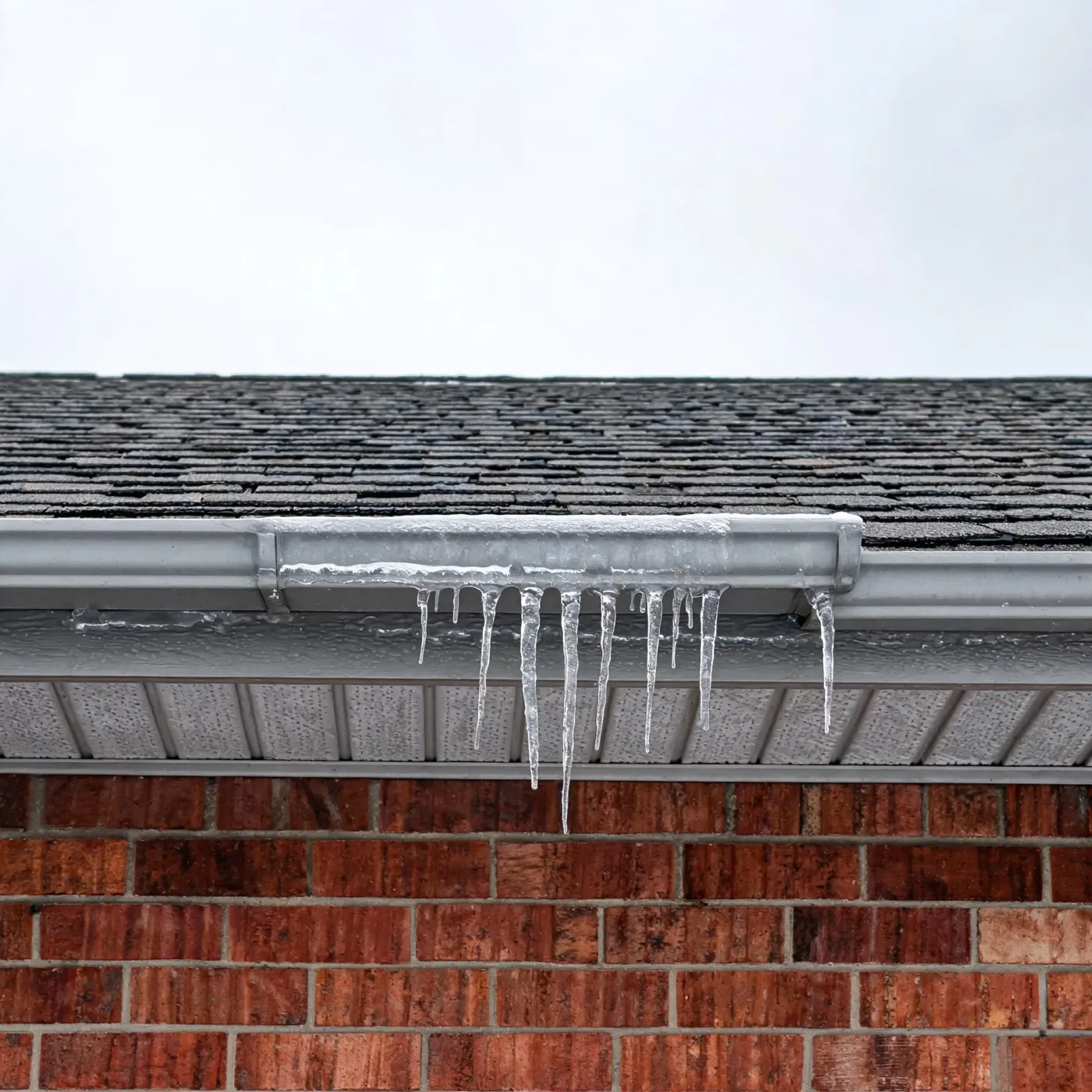
Icicles hanging from a white gutter along the edge of an asphalt-shingle roof above a brick wall, under an overcast sky.

Winter nights in Ashtabula County average 21°F across December, January and February, according to NOAA climate data. That is the kind of cold where a heat pump has to pull harder to get heat out of the air outside. A unit that's clean and properly charged can still do it. One that's low on refrigerant or coated in grime on the coil starts to lose the race, and you'll feel it as warm-but-not-quite air out of the vents, or the system running long stretches without shutting off. On the coldest nights it may lean on backup heat strips more than it should, and that cost shows up on your power bill before you ever hear a strange noise from the unit itself.

NOAA nClimDiv 1991-2020

A heat pump in Ashtabula County earns its keep in July and January both, and a yearly check is what keeps it doing that without costing you more than it should on either end. That's the whole answer: once a year, before the season that's about to lean on it hardest. You don't need to call around to find someone who understands that. A local contractor who works on heat pumps all year, not just furnaces every few winters, already knows what tends to fail first on units that run this hard in both directions, from a reversing valve that sticks to a coil that cakes up with lake-effect grime. You give your information once, it goes to that one contractor, and you're not fielding calls from four companies trying to win the job. Your heat pump has been running one way or another since the day it was installed. A once-a-year look is what keeps it running the way it's supposed to, in the cold snaps and the muggy stretches alike.

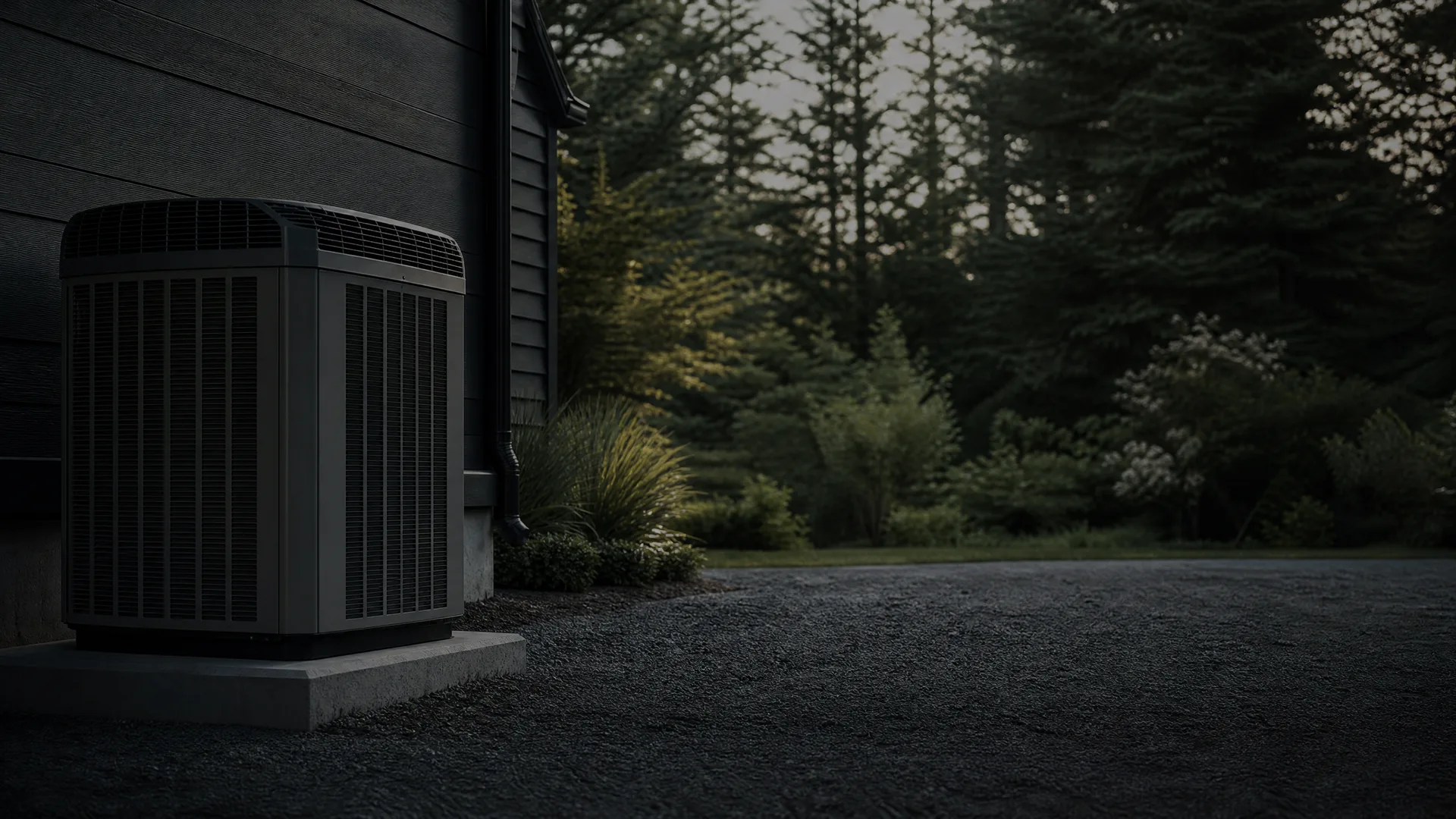
An outdoor condenser unit on a concrete pad beside a dark-sided house, with gravel ground and conifer trees in the background at dusk.

Explain it one time

Your request stays with one local pro.

Tune-up, service, or cleaningHeat PumpAshtabula County, OH
Step 1 of 2

What ZIP code is the job in?