

Heat pump running all the time in Beavercreek, OH
Fill out one short form instead of calling around.
Describe it onceWhy does my heat pump run all the time in Beavercreek?
Your heat pump keeps running and never seems to shut off, even when the house feels warm enough. You're watching the outdoor unit cycle on and stay on for long stretches, and you want to know if that's normal for a heat pump or a sign something's wrong before your next power bill shows up.
It's working harder than it should, usually because it's losing the fight to keep up
A heat pump that runs nonstop is almost always struggling to move enough heat to satisfy the thermostat. That can mean a low refrigerant charge, a dirty outdoor coil, or a failing component like a compressor or reversing valve that makes the system work longer to do the same job. On the coldest days here, in the teens or below, some long run times are normal because the heat pump is pulling heat from air that has little to give. But if it's running constantly through milder weather too, something inside the system isn't performing the way it should, and it's worth having a contractor check the charge and the coil before the compressor takes more damage from running overworked.

It's past midnight in August and you're still awake. The sheets are damp under you and the window's fogged along the edges where the humid Greene County air meets the glass. Outside, you can hear the outdoor unit still running, the same low hum it's had going since before dinner. You get up and check the thermostat. It says 71. The house doesn't feel like 71. You lie back down on top of the covers instead of under them, listening for the unit to finally shut off, and it doesn't. Somewhere around one, you stop listening for it.
What you're probably noticing around the house
The outdoor unit never seems to shut off, not even at 2 a.m. when the thermostat should be satisfied. Inside, a room or two stays warmer or cooler than the rest, so you keep walking over to check the thermostat and it says the temperature is where you set it. Your electric bill has crept up without anyone changing the setting. You might notice the vents blowing air that doesn't feel as warm or as cool as it used to. Left alone, a heat pump that runs nonstop puts more wear on the compressor than one that cycles normally, and in Greene County's humid summers or cold winters, that strain shows up sooner rather than later.
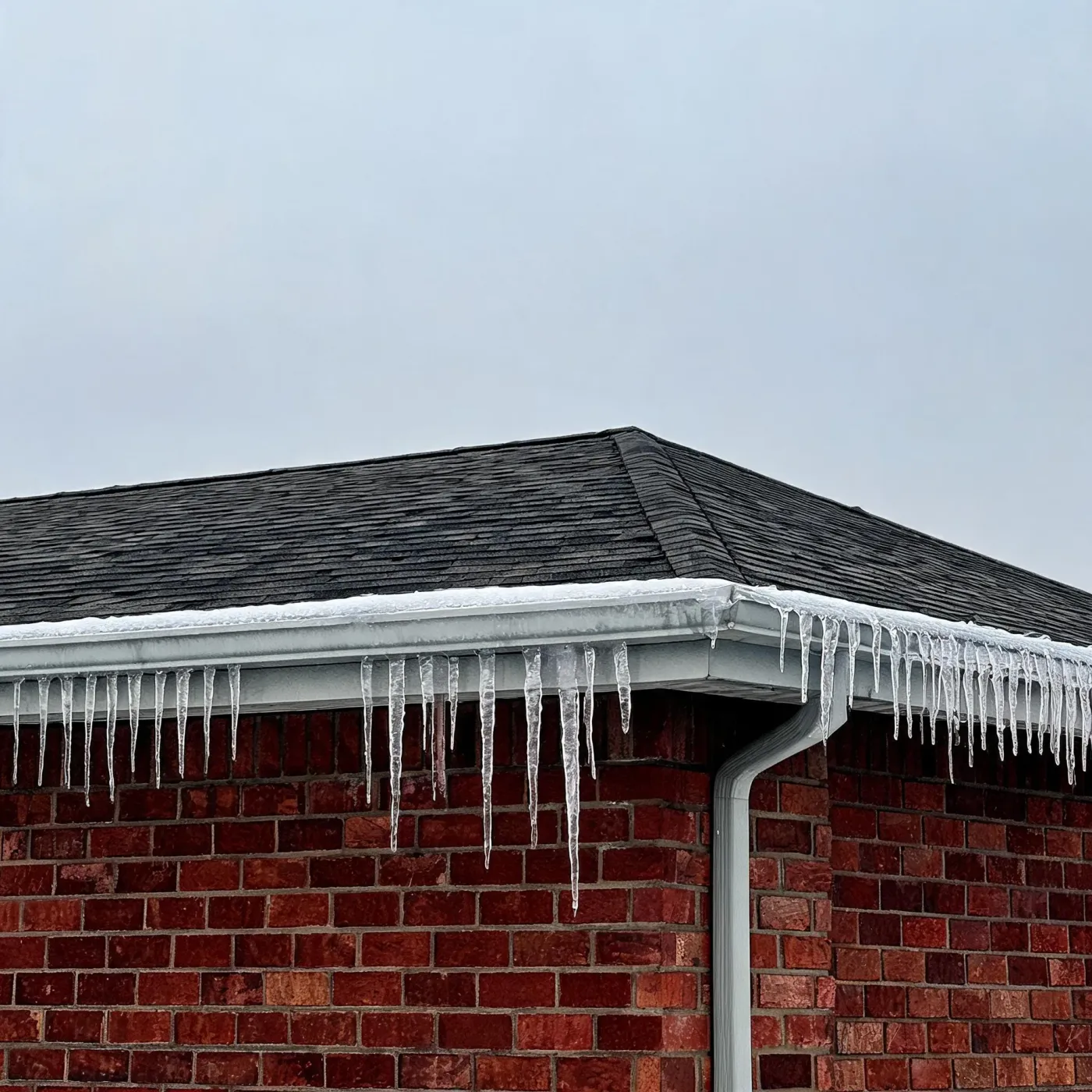
Greene County's winter nights average 24°F, from the National Weather Service. At that temperature a heat pump has to pull heat out of air that's barely above freezing, and it takes longer to do it. Most heat pumps also start leaning on backup electric heat strips somewhere in the 30s, so once nights settle near 24°F, yours may be running close to nonstop just to hold the thermostat setting. That's different from a unit that's struggling. But if it's running flat out and the house still isn't warm, or the outdoor unit is coated in ice that doesn't clear, a technician who works on heat pumps in this area through the winter can tell you which one you're dealing with without you having to guess over the phone with three different companies first.
NOAA nClimDiv 1991-2020
No calling every shop in Greene County
A heat pump that runs constantly through a Beavercreek summer or a Greene County winter night is working harder than it should, and figuring out why usually means someone with hands on the unit: checking the refrigerant charge, the outdoor coil, the reversing valve, the defrost cycle. That's not a phone diagnosis. Left alone, a system stuck running long stretches tends toward a bigger failure down the line, and in the meantime your power bill is carrying the cost of it every single day. Finding someone to look at it usually means searching around, calling a few places, explaining the same symptoms more than once, then sitting with quotes trying to guess which one is honest. A local contractor who services heat pumps in this area through both the humid stretches and the cold nights has likely seen this same complaint on this same kind of unit before and knows where to look first. Your request goes to one of them, not a handful, so you're not fielding five calls while your system keeps running in the next room.
What the Constant Running Tells You
- A heat pump that runs nonstop isn't automatically broken, but it's working harder than it should and that shows up on the power bill.
- Summer humidity and the 24°F winter nights common to Greene County both push run times up for reasons that have nothing to do with a failing unit.
- A dirty filter, a low refrigerant charge, or a reversing valve stuck mid-cycle can all cause the same constant-running symptom.
- One room staying off-temperature while the unit runs steadily often points to airflow or duct balance rather than the compressor itself.
- Backup electric heat kicking in too often during cold snaps can make the system seem like it never shuts off when the strip heat is actually the cause.
- Figuring out which of these it is takes someone checking the charge, the coil, and the reversing valve directly on the unit.
A heat pump that never shuts off is telling you something, but not necessarily that it's broken. Greene County's climate asks a lot of these systems both directions. Summer humidity keeps a unit cycling longer to wring moisture out of the air, and those 24°F winter nights mean it's pulling heat from air that barely has any to give. Neither of those is a malfunction. They're just the job, done the hard way, in this particular place.
What turns long run times into a real problem is usually something mechanical sitting underneath the weather. A dirty filter chokes airflow and makes the unit work to move air that can't get through. A low refrigerant charge means it's trying to do a full cycle's worth of heating or cooling with less than a full cycle's worth of refrigerant. A reversing valve stuck between modes can leave the system fighting itself, heating and cooling at once without ever satisfying the thermostat. Any of these shows up the same way on the thermostat: it just keeps running.
If one room stays off from the rest while the unit runs steady, that's less likely the compressor and more likely air not reaching that room the way it should. If the cold snaps are when it runs longest, backup strip heat might be doing more of the work than the heat pump itself, and that's expensive heat to lean on.
None of this sorts itself out by watching the thermostat. It takes someone with a gauge on the charge and a hand on the valve.




Heat Pump Repair
No phone calls to make
A licensed pro who works in Greene County gets your request.