






A grey outdoor HVAC unit mounted on a concrete pad beside the beige-sided exterior wall of a suburban house.

Heat Pump Installation in Zanesville, OH

Tell us about the job

Takes about a minute. No obligation.

New system or replacementHeat PumpMuskingum County, OH
Step 1 of 2

What ZIP code is the job in?

Electricity in Muskingum County averaged 18.72 cents per kilowatt-hour in 2025. That's higher than what most counties in the country pay. A heat pump runs on electricity for both heating and cooling, so that rate applies every time it kicks on. A unit that converts power into heating or cooling efficiently will cost less to run here than one that doesn't, and the gap shows up every month on the bill. Where electricity is cheap, efficiency matters less. Here, it's worth paying attention to.

8 months
October through May, your system heats
3 months
June through August, it cools
23°F
the average winter night it heats against
83°F
the average summer afternoon it cools against
Isometric line illustration of a cutaway house showing interior rooms with furniture, ceiling ductwork connected to an indoor air handler, and an outdoor condenser unit linked by refrigerant lines.
Your system heats October through May and cools June through August.

NOAA nClimDiv, 1991–2020 normals

Half the homes in Muskingum County were built in 1972 or earlier.

An older house wasn't built with a heat pump in mind, so the installer has to size and set it up for the house that's actually there.

Eight months of heat, three months of cooling, both on one system

Cooling runs June through August
Heat runs October through May
Climate zone 5A
The load here is manageableWinter is the bigger load here, zone 5A, and summer air is muggy but not the heaviest in the country.

Gas heats 55.2% of homes in Muskingum County, more than anything else. Electricity is second at 29.4%, with propane and oil making up the rest. If gas heats the house now, a heat pump usually gets added alongside the furnace rather than replacing it outright. The furnace stays for the coldest stretches, and the heat pump handles cooling and the milder months, switching over when the outdoor temperature drops low enough that gas becomes the cheaper way to make heat. An installer sets that switchover point based on the equipment and the house. Getting it right is what makes the two systems work together instead of against each other.

Pick the unit that's cheap to run, not just to buy

Electricity here runs higher than most places pay. That cost lands every time the heat pump kicks on, all year. When you're comparing units, ask what each one costs to run, not just what it costs to buy. The difference shows up on the bill long after installation day.

Find a contractor
A dark gray heat pump unit mounted on a concrete pad next to a house with gray siding and a stone veneer wall.

It runs for years on what the installer decides now

This system runs for years in whatever setup it gets on install day. Nobody comes back later to resize it for the house. Half the homes in this county were built in 1972 or earlier, well before a heat pump was part of the picture, so the ductwork and layout the installer finds are whatever that era left behind, not something built around this equipment. Getting the sizing and setup right at the start matters more here because of that. A unit set up wrong keeps running wrong, season after season, for as long as it's in the house.

Ask for the manual J, not just a quote

A heat pump sized off square footage alone can end up wrong in both directions. Too big and it short cycles, turning on and off before it finishes dehumidifying a room. Too small and it runs constantly without reaching the set temperature. A manual J calculation accounts for windows, insulation and layout room by room. Any installer worth hiring should be able to show you the numbers behind the unit they're proposing, not just the brand and model.
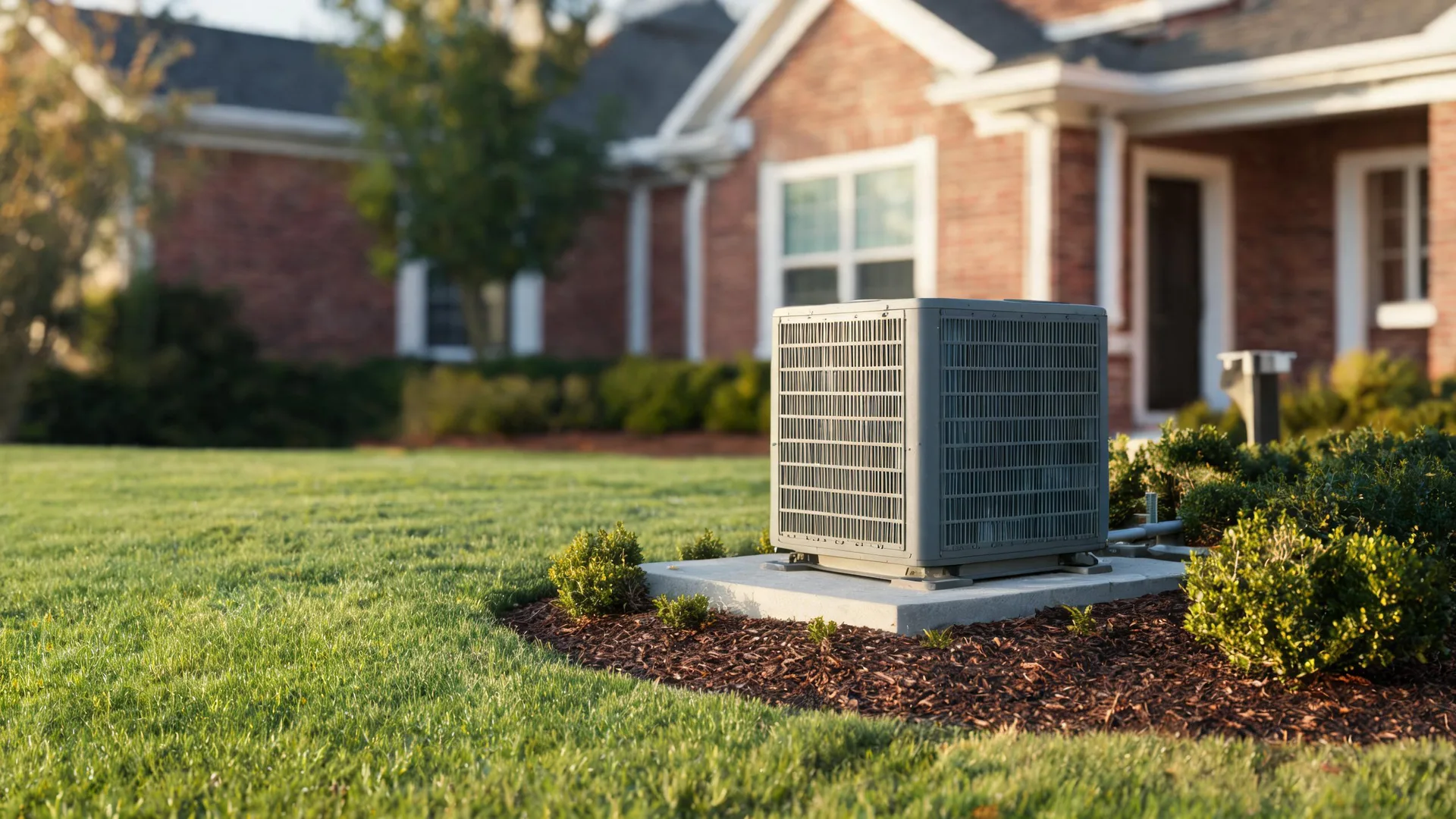
Ask what happens below the balance point

Every heat pump has a temperature where it stops keeping up with the heat loss of the house, even running flat out. What happens below that point depends on the setup. Some systems have a backup heat source that kicks in automatically. Others rely on a paired furnace to take over. Ask where that switchover happens and what triggers it, because a unit with no plan for the coldest nights will leave the house short of heat right when it matters most.

Sizing a heat pump starts with how fast the house loses heat and gains it back, not how many square feet it covers. Two houses the same size can need different size units depending on how many windows face north, how high the ceilings run, how much shade falls on the roof. That's why a load calculation goes room by room instead of taking one number for the whole structure. Get the size wrong and the unit fights the house either way. Oversized, it blasts the room to temperature and shuts off before it pulls the moisture out of the air, so the house feels cold and damp at the same time. Undersized, it never stops running and still falls short on the coldest or hottest days. The right size is the one that runs long steady cycles and keeps up without straining, and the only way to land on it is to calculate it, not guess from a chart.

Muskingum County falls in climate zone 5A, a cool zone where heating carries more of the load than cooling. Any split-system heat pump installed here, if manufactured from 2023 onward, has to hit a federal minimum: at least 14.3 Btu of cooling for every watt-hour it draws over the summer, and at least 7.5 Btu of heating for every watt-hour over the winter. That's the floor, not a goal one brand reaches and another doesn't. It narrows what an installer can legally put in, regardless of price point. A unit that clears the minimum still has to be sized right for the house, but the minimum is what keeps a bad fit from being an inefficient one too. Ask what the proposed unit is rated at and make sure it clears the number for this zone.