Electricity here runs 15.99 cents a kilowatt-hour
Ohio households paid that rate on average in 2024. A heat pump runs on electricity for both heating and cooling, so that rate applies to this system every month of the year, not just in summer.
Takes about a minute. No obligation.
Ohio households paid that rate on average in 2024. A heat pump runs on electricity for both heating and cooling, so that rate applies to this system every month of the year, not just in summer.
Two heat pumps can heat the same house and cost noticeably different amounts to run, because one moves heat using less electricity than the other. At this rate per kilowatt-hour, that difference shows up on every bill for as long as the system runs.

NOAA nClimDiv, 1991–2020 normals
Half the homes in Clark County went up in 1963 or earlier.
A house that old needs a heat pump sized to what it actually needs, not to some general rule of thumb.



This machine works harder in winter than summer, since Clark County needs more heating than cooling over the year. Even so, a heat pump in Zone 5A isn't fighting extreme cold most nights. Overnight lows average 23°F through December, January and February. Cold enough to matter, but not the deep freeze that pushes a system to its limit night after night. So pick a unit rated to hold its output at that temperature. It doesn't have to be the highest-efficiency model on the lot. Wind and hail show up a lot in this county's weather history, but neither one affects how hard this machine runs indoors. Match the equipment to what the winters here actually ask of it. Let that decide the spec.
Any split-system heat pump installed in Clark County has to meet 14.3 SEER2 and 7.5 HSPF2. That's the federal minimum for this climate zone. On top of that, a federal tax credit is available for systems that qualify. So the equipment already has to clear that bar. The real question is which qualifying system fits the house.
Find a contractor
This heat pump runs heat from October through May, then cooling from June through August. Eight months against three, so most of the hours it logs here are spent heating, not cooling. September is the month before heat starts, and that's the window for installing it. The old system is still running, there's no rush, and the new unit is in place and tested before it has to carry the house through its first cold month.
SEER2 rates how the heat pump cools, HSPF2 rates how it heats. A unit can score well on one and only average on the other, so look at both ratings rather than treating one as a stand-in for the whole machine.
Both ratings come from tests run under set conditions, not from inside your house. Leaky ductwork, a unit sized wrong for the space, or a refrigerant charge that was never checked will all pull real performance below what the label says. The rating tells you what the equipment is capable of, not what it will actually deliver.
Sizing a heat pump starts with a load calculation. Not the square footage of the house, not the size of the old unit. A contractor works out how much heat the house loses in winter and gains in summer. That means looking at insulation, window area, ceiling height, how much sun the place gets. That number sets the tonnage, not a rule of thumb. Oversize it and the unit short cycles. It hits the thermostat's setpoint fast and shuts off before it's pulled the moisture out of the air or run long enough to heat the house evenly. Undersize it and it runs nonstop in the coldest stretches, leaning on backup heat strips to make up the difference. A unit sized right runs longer, steadier cycles. That's what keeps a house comfortable room to room.
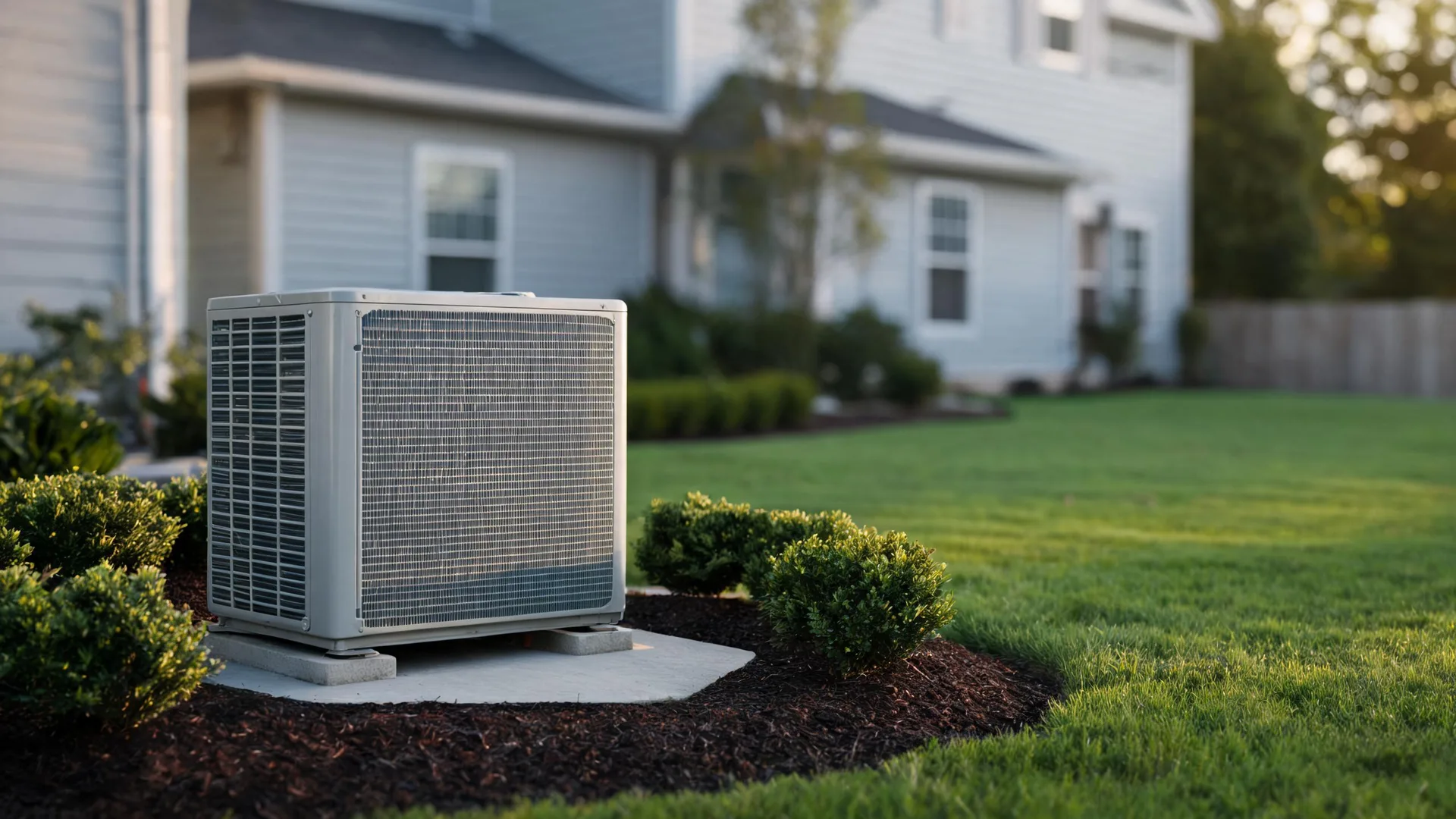
Installation day starts with the outdoor unit and the indoor coil, and they go in as a pair since the whole system is matched to work together. The outdoor unit gets set on a pad, leveled, and connected with refrigerant lines run to the indoor coil, usually mounted above or alongside the furnace or air handler. Those lines get brazed, then pressure tested to make sure there are no leaks before anything is charged with refrigerant. The electrical work is its own step, a dedicated circuit sized to the unit's draw, disconnects installed within sight of the outdoor unit, and the control wiring run to a new thermostat if the system calls for one. Once everything's connected, the system gets charged to the exact weight the manufacturer specifies for the line length, then run through its paces checking airflow, static pressure, and temperature split at the vents. That commissioning step is what separates a system that was installed from one that was installed right.