This is what quiet looks like
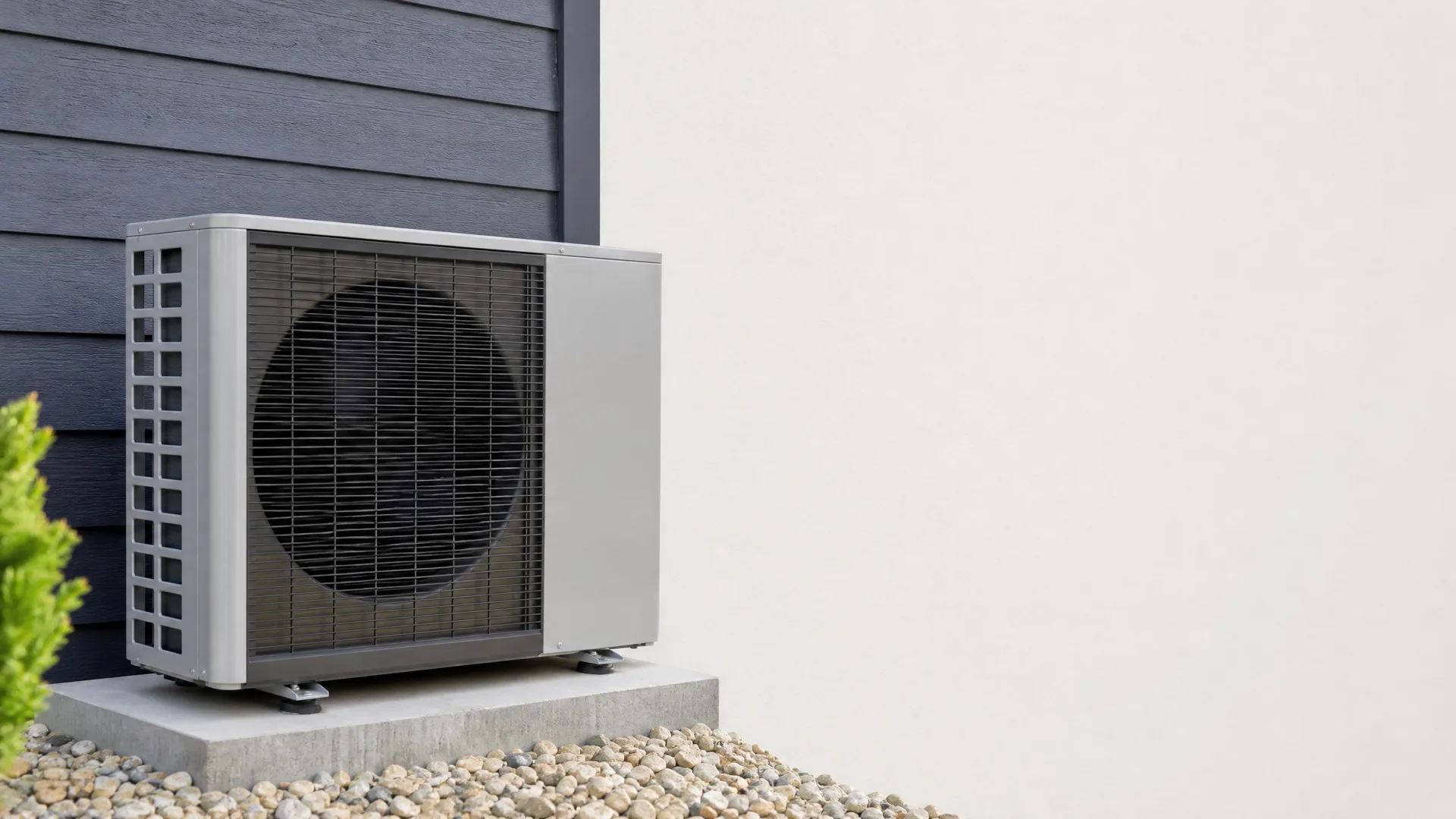
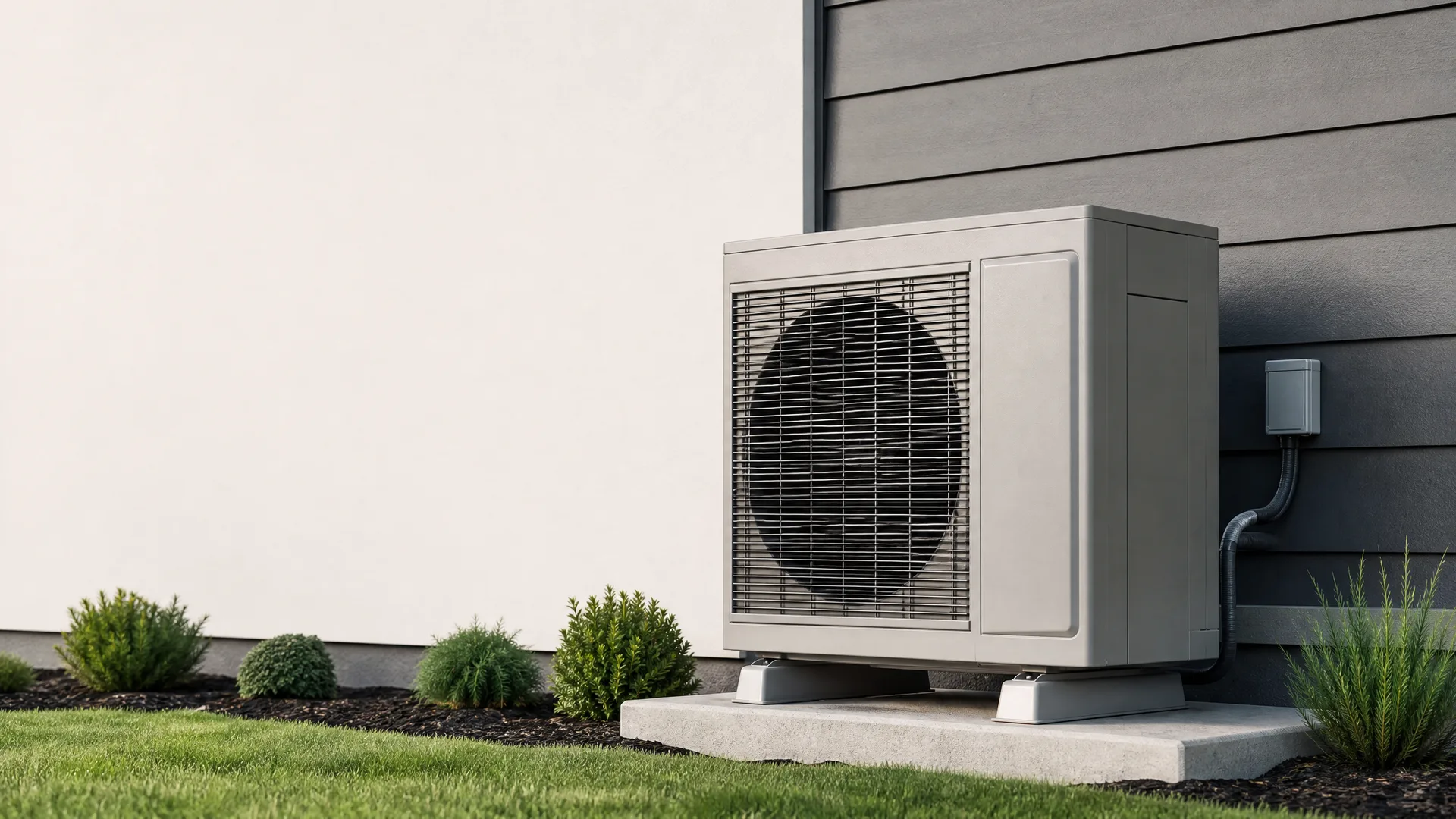
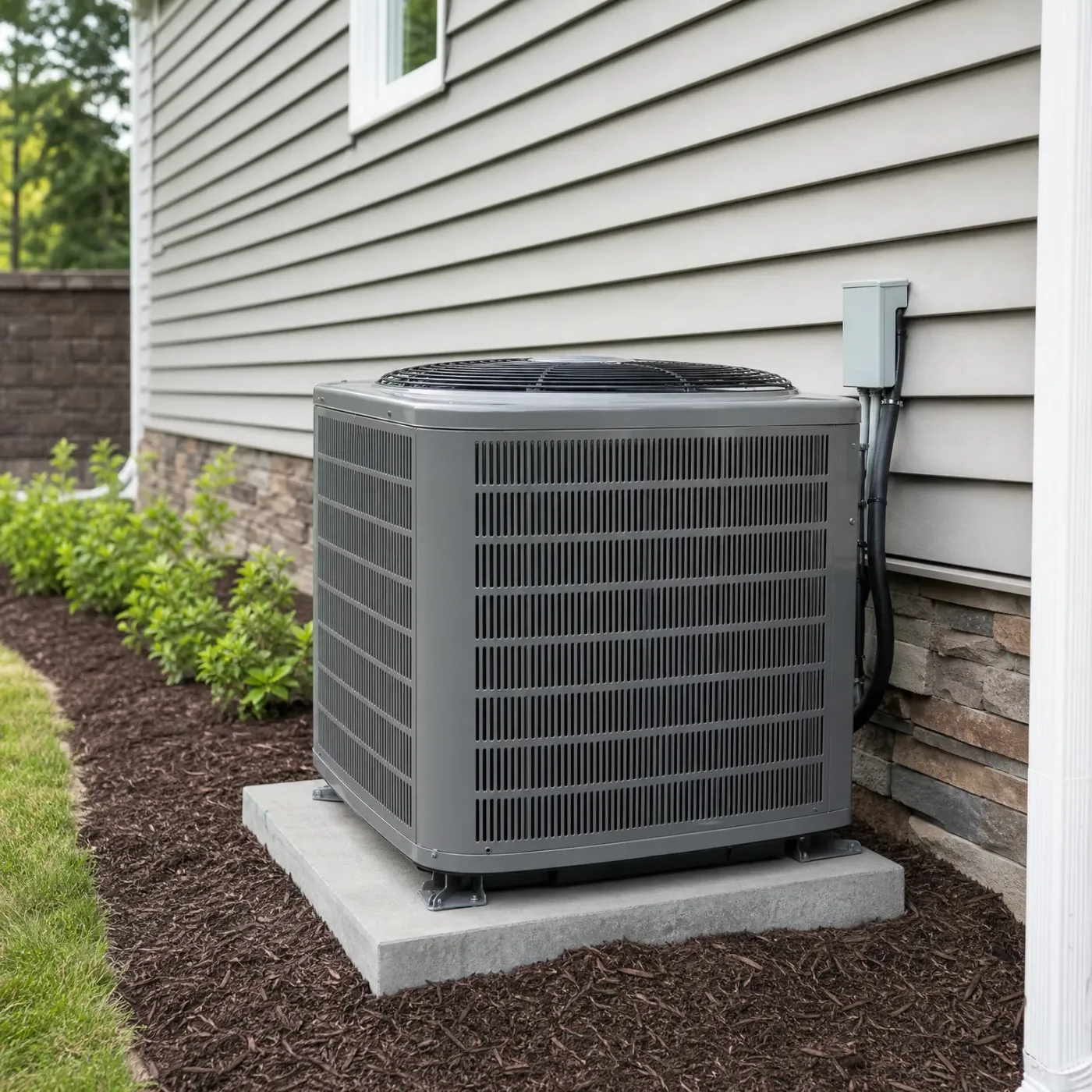
The grille is clean, the lines run straight to the disconnect box, and nothing rattles when the fan kicks on. A unit set up like this on its pad is doing its job without calling attention to itself.
A heat pump that suddenly gets loud is unsettling, especially when it's running hard through a Clark County summer or winter and you can't tell if it's about to quit on you. The sound usually points to one thing going on inside the unit, and which sound it is tells you a lot about what's actually wrong.
A banging or clanking sound usually means something has come loose inside the outdoor unit, like a fan blade hitting its housing or a bolt that's worked free. A high-pitched squeal often points to the fan motor bearings wearing out. A buzzing noise can mean loose wiring or a failing contactor, the part that switches the compressor on. A hissing sound is more serious. It can mean refrigerant escaping from the line. With winters here getting cold and summers sticky, your heat pump runs hard in both directions, and that steady work is what wears these parts down over time. The noise itself tells a contractor where to look before they even open the unit.




A clanking or banging usually means something loose is hitting the fan blade or the cabinet. A high-pitched squeal points to the fan motor bearing or the compressor. Buzzing often comes from an electrical connection or a contactor. A hissing or bubbling sound near the lines can mean refrigerant is escaping, which lets the system run without actually heating or cooling your home while your bill climbs. If the noise showed up along with weak airflow or a unit that cycles on and off more than usual, the problem is already affecting how the heat pump does its job, not just how it sounds.
The outdoor unit sits outside and works through a Clark County summer and a Clark County winter both, since a heat pump handles heating and cooling from the same cabinet. That means the fan, the compressor and the reversing valve all get more hours of run time across the year than a standard air conditioner ever would. More hours means more chances for a bolt to work loose or a bearing to wear down, which is why noise tends to show up here before it does on cooling-only equipment.
A straight air conditioner does not have a reversing valve. A heat pump does, and it is the part that switches the system between heating and cooling by redirecting refrigerant flow. When that valve shifts, it can let out a brief whistle or thump, and that is normal. A valve that is stuck or failing makes a louder, longer sound at the switch, and it is worth mentioning to whoever looks at the unit so they check it directly instead of guessing.

It's past eleven on an August night and the bedroom is still warm. You've kicked the sheet half off and it's damp anyway. The window unit fan upstairs hasn't caught up to the heat the way it should, and that's when you hear it again, that banging from outside, from the heat pump against the side of the house. It stops, starts, stops. You lie there and listen for it instead of sleeping, trying to decide if it's getting worse or if you're just more awake to it now. The air coming through the vent feels thinner than it should for how hard the unit sounds like it's working.
Winter nights average 23°F
Overnight lows average 23°F in December, January and February, so the compressor and fan run long hours against the cold, and worn parts tend to announce themselves then.
Heat runs October through May
Heat runs from October through May here, about eight months out of twelve. That's most of the year for a loose part or a bad bearing to get worse before anyone notices.
Cooling runs June through August
Cooling runs June through August, so the same outdoor unit shifts straight from one hard season to the next with barely a break to show a problem before it's needed again.
NOAA nClimDiv 1991-2020

The grille is clean, the lines run straight to the disconnect box, and nothing rattles when the fan kicks on. A unit set up like this on its pad is doing its job without calling attention to itself.

Dust and debris have built up thick enough to darken the grille, which can throw the fan off balance or block airflow the cabinet needs. A unit caked like this is worth a look before the noise gets worse.


A licensed pro who repairs heat pumps in Clark County gets your request.
Describe your heat pump job once, to one pro.
Asking costs nothing, and the choice to hire stays yours.

The reversing valve is what makes a heat pump different from a plain air conditioner. It's a solenoid-controlled valve that switches the refrigerant flow so the same outdoor unit can pull heat into the house in January and push it out in July. Every time your system switches between heating and cooling, that valve shifts, and a worn one can make a loud clunk or a hiss right at the switch. The defrost cycle does the same thing in reverse during a cold snap, briefly running as an air conditioner to melt ice off the outdoor coil before switching back to heat.
Finding a contractor who actually knows reversing valves and defrost boards, rather than just furnaces or just standard AC, usually means a few calls to ask what each company handles. Submitting this once sends the job to a licensed contractor near Springfield who works on heat pumps specifically, so you're not explaining the clunk and the timing of it to three different companies before someone can tell you if it's the valve or something simpler.

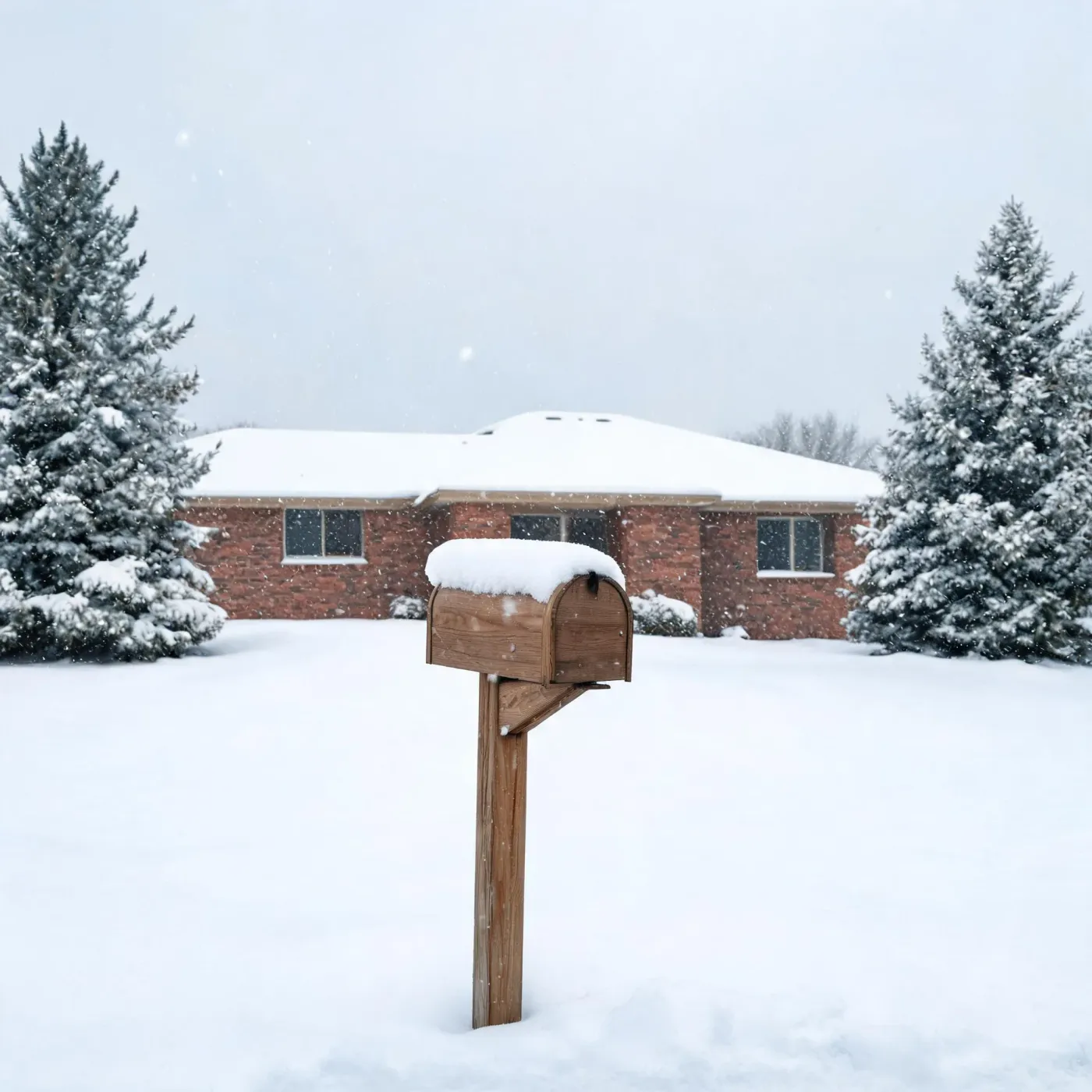
Clark County nights average 23°F through December, January and February, says NOAA. That's the stretch when a heat pump leans hardest on its outdoor unit, pulling heat from air that's already cold. A fan motor bearing that's starting to wear or a loose panel that rattles only under load tends to show up on nights like these, not in October when the system barely runs. If the noise started once the cold really set in, that's not a coincidence. It's the cold finding the weak part.
NOAA nClimDiv 1991-2020


The thermostat calls and the reversing valve sets its position first.
The compressor starts and pressure builds against a loose or worn part.
The fan pulls air through the coil, catching anything knocked loose.
The noise repeats on the same cycle until a tech finds the cause.


A tech who knows Clark County heat pumps looks at it before the noise turns into a compressor that won't start on a cold January morning.
You keep listening for it to get worse, run calls around Springfield yourself, and hope it holds until you find someone who can get to it.
At 15.99 cents a kilowatt-hour, a heat pump running long hours against a loose part or a worn bearing shows up on your bill before it shows up as a breakdown. Fixing the noise early keeps that draw where it should be.
EIA-861 2025
A loud noise from a heat pump almost always traces back to one part: something loose knocking against the cabinet, a bearing wearing out in the fan motor, or a connection buzzing where it shouldn't. None of that gets quieter on its own, and in a Clark County winter the unit doesn't get a break to make the noise easier to chase down later. Finding someone to look at it shouldn't mean working the phone around Springfield, telling the story three times, and sorting through quotes from people who've never seen your unit. A local contractor who services heat pumps through these summers and winters knows what that noise usually is before they pull the panel off, because they've heard it before on units just like yours. You get one contractor, not a string of callbacks from companies competing for the job. The sound has an answer. The question now is just how soon someone looks at it.





A licensed pro who works in Clark County gets your request.
Sending the form costs nothing.