A illuminated two-story red brick house on a quiet residential street at dusk, flanked by mature trees under a deep blue evening sky.

Furnace Maintenance in Troy, OH

Tell us about the job

Takes about a minute. No obligation.

Tune-up, service, or cleaningFurnace or heatingMiami County, OH
Step 1 of 2

What ZIP code is the job in?

October starts the real work

Furnaces in Troy go into service in October and stay on through May. That first cold stretch is when a furnace gets asked to do the most, running long cycles to pull a house up to temperature after months of sitting idle.


September is the window

A furnace with a weak igniter or a dirty flame sensor will show it fast once October demand hits. Having the check done in September means any part that's failing gets found before the furnace is leaned on hard.

Furnaces in Troy run from October through May. That's eight months of the year.

One check before October covers the whole season a Troy furnace has to work through.

Nothing unusual here, just a yearly checkMiami County had 8 winter storms between 2015 and 2024. A yearly check handles that fine.

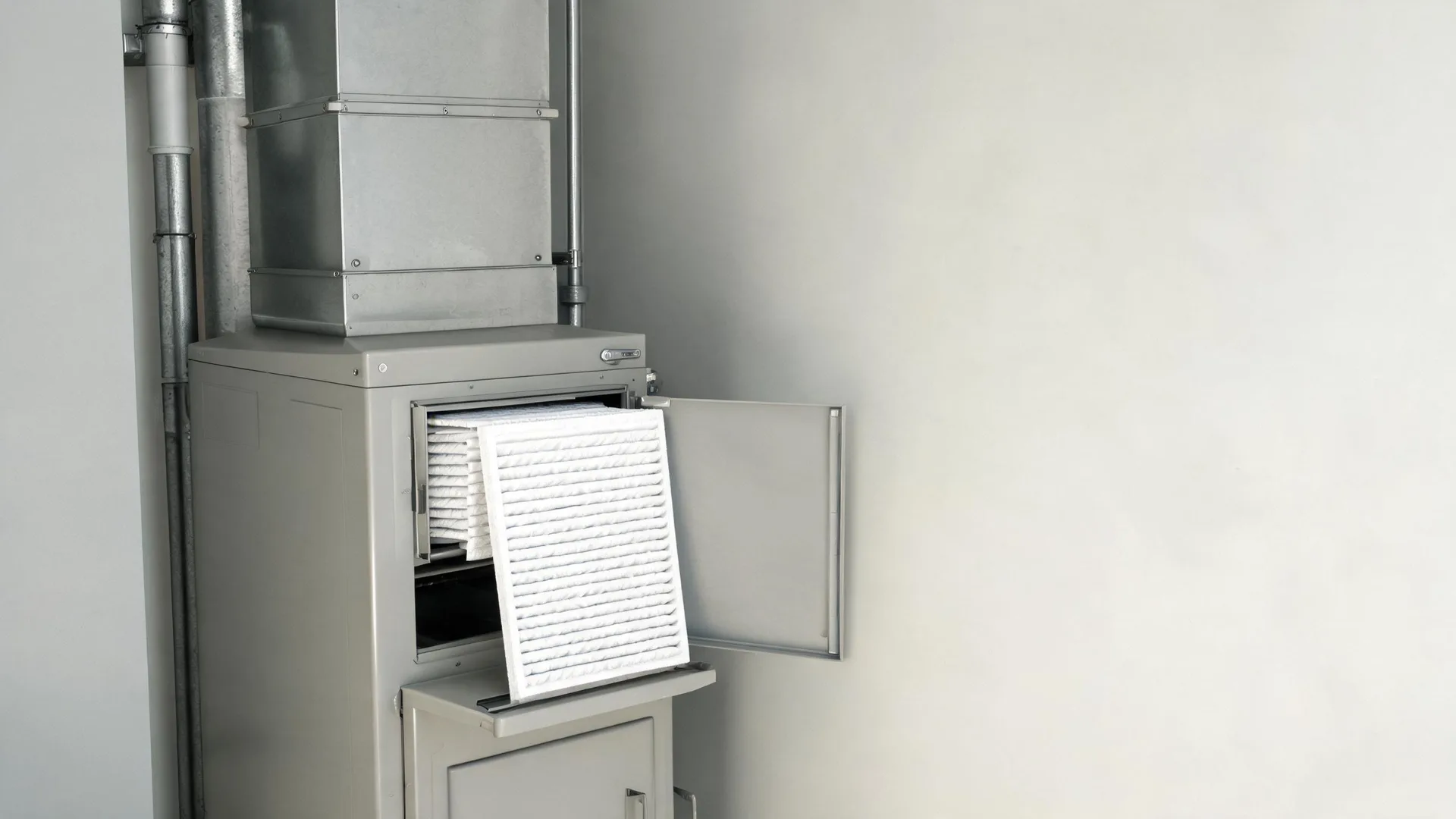
A dirty filter is the most common reason a furnace starts short cycling. Airflow drops, the heat exchanger gets hotter than it should, and the furnace shuts itself down before it's done heating the house. Furnaces don't have a cooling coil like an air conditioner does, so that part of the checklist doesn't apply. But the blower still has to push air through clean ductwork to work right. There's no drain to worry about either, unless it's a high-efficiency condensing furnace. Those produce water as they run, and that line has to stay clear or it backs up into a shutdown or a leak. Swap the filter before the season starts. That's the one thing that actually changes how hard the furnace has to work between visits.

Most furnaces in Troy run on gas, and gas means more to check

Close to 6 in 10 homes in Miami County heat with gas. That's more than electric, propane and oil combined. A gas furnace has a burner, a flue and safety controls that an electric furnace doesn't have. Those need checking, not just the filter. A yearly visit is when that happens.

Find a contractor
A man in a cap, gray long-sleeve shirt and tan pants walks up stone steps toward a dark blue front door, carrying a waxed canvas tool bag in his right hand.
A gray residential gas furnace installed in an unfinished basement, connected to sheet-metal ductwork and PVC pipes.

Skip it once and it runs. Skip it for years and it shows.

A furnace that never gets opened up still runs, right up until it doesn't. Dust builds on the burner and the flame goes from a steady blue to something ragged and yellow, which means the gas isn't burning clean anymore. The flame sensor coats over with the same film and starts telling the control board the flame isn't there even when it is, so the furnace fires for a few seconds and quits, over and over. A blower wheel caked in dust moves less air for the same effort, so the motor runs longer and hotter to put out the same heat. None of that happens in the first year. It's the second or third winter of being skipped where a furnace starts showing it, usually on the coldest night it's asked to work.

The filter is yours to change

A furnace filter is the one part a homeowner can handle. Pull it out, hold it up to a light. Can't see through it, it goes in the trash. Leave it in too long and it starves the burner of airflow. That makes the furnace work harder than the rest of the checklist can fix.

The cabinet stays closed

Past the filter, a furnace is a sealed box, and that's on purpose. The burner, the flame sensor, the flue, all of it connects to a gas line and a venting system. That has to get tested with the cover on and the furnace running. Open it up without the right gauges and a problem gets hidden instead of found.

A quick visit just checks that the furnace turns on. A thorough one pulls the burner cover and looks at the actual flame. Steady and blue means clean combustion. Yellow or ragged means it's burning dirty. The flame sensor gets tested for actual signal strength, not just wiped off and called good. The inducer motor and venting get checked for a strong draft, because a weak draft can let combustion gases linger where they shouldn't. Gas pressure gets tested at the manifold too, not assumed to be fine just because the furnace lit. If someone's in and out in a few minutes without opening the burner compartment, that furnace was checked to see if it runs. Not whether it's running right.

A full tune-up ends with readings most people never see. One is the temperature rise across the heat exchanger, checked with the blower door shut and the furnace running a full cycle. Too high and the exchanger is cracking the air harder than the ductwork can carry away. Too low and combustion isn't complete, which wastes gas and leaves soot behind. The other is static pressure, measured with a probe through the cabinet, which tells a tech whether the ductwork itself is choking the blower no matter how clean the filter is. Neither reading takes long, but neither happens unless someone opens the furnace up and runs it under load. A furnace that passes both is heating the way it was built to. One that fails either is still running, just not for long.