


What winter here does to a heat pump
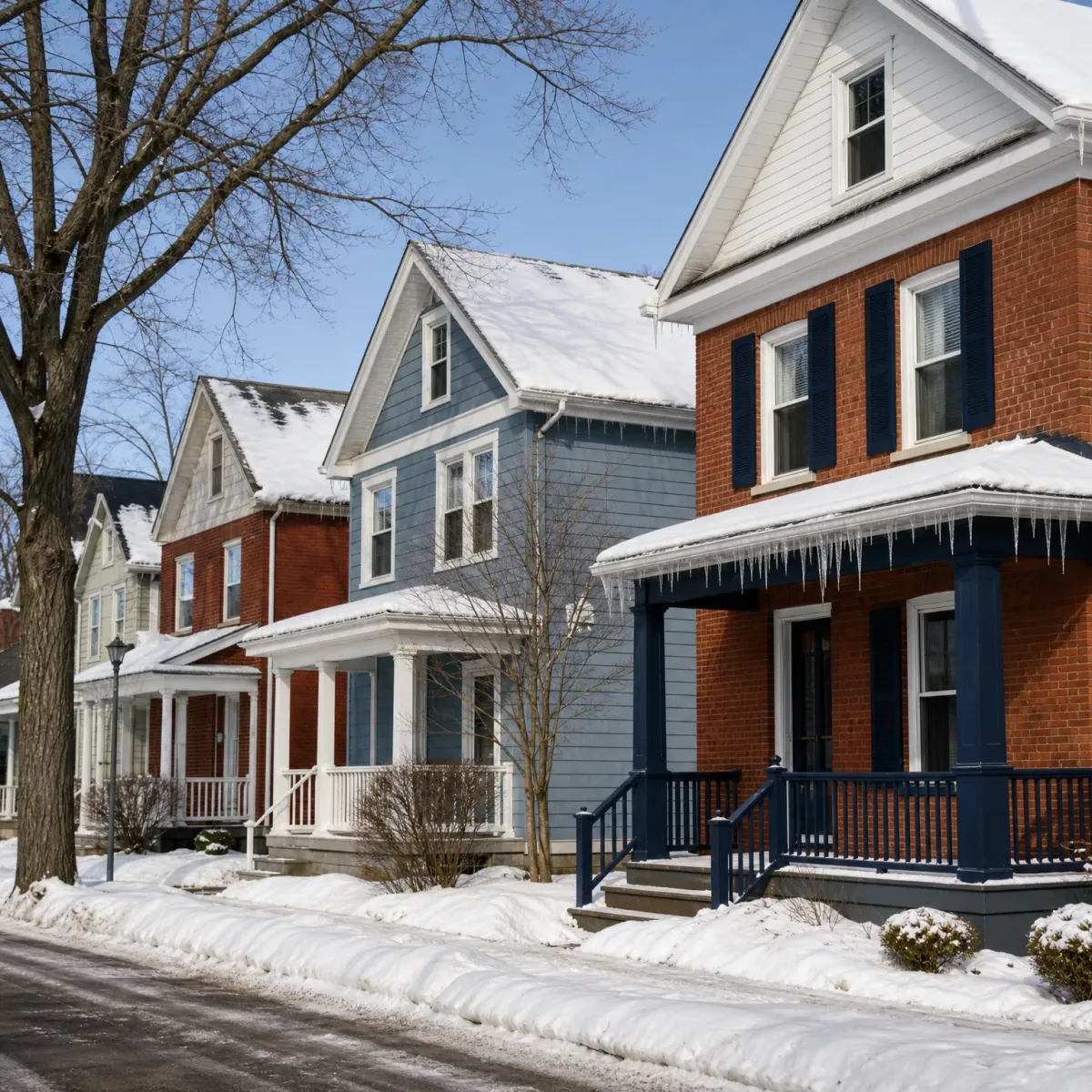
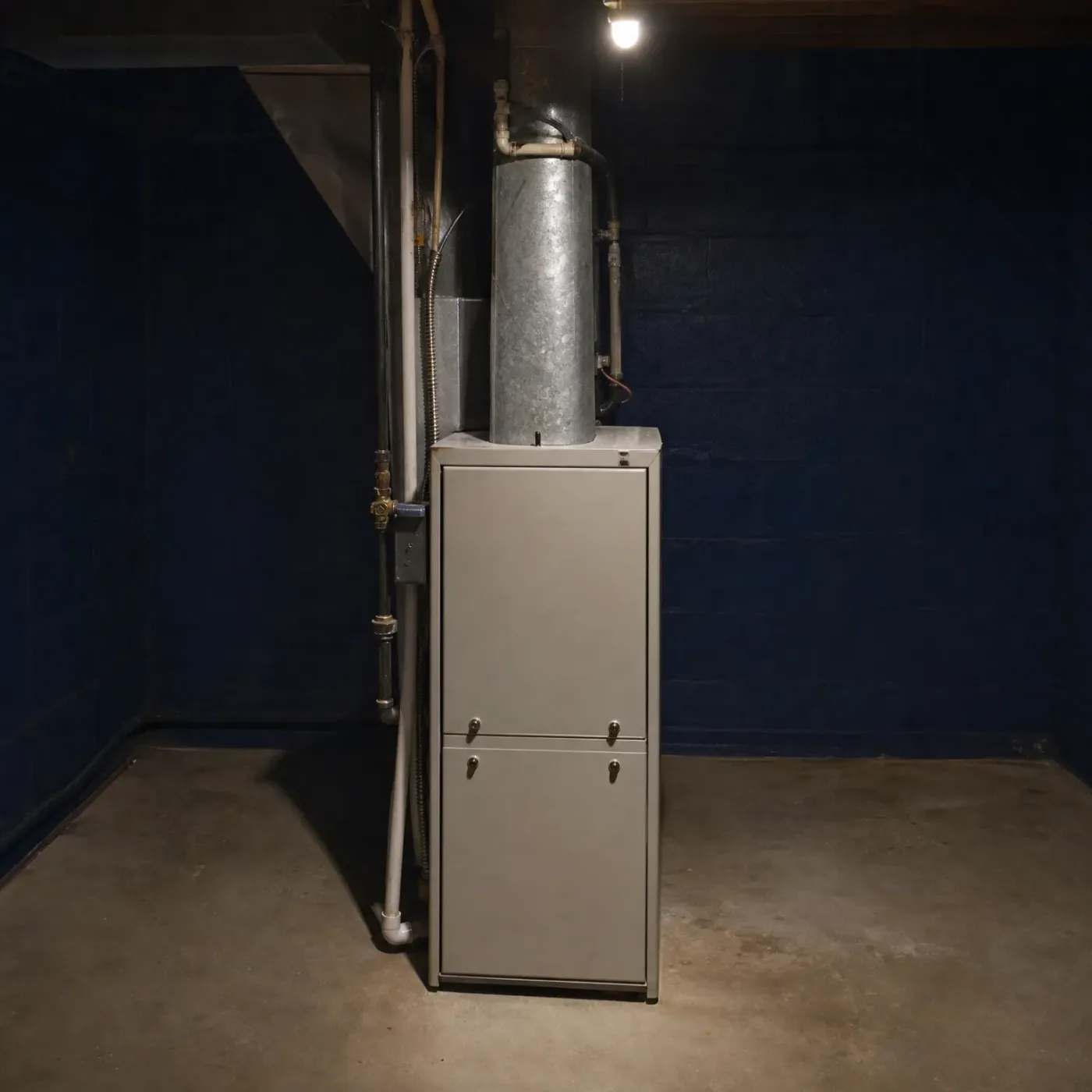
Your furnace or heat pump has to do its real work on nights like the ones you actually get here, not on a mild fall evening. The average overnight low across December, January and February is 22°F. A standard heat pump starts losing capacity below 40°F and typically needs backup heat below about 35°F. Your winter average sits below both marks. That's not a cold snap, that's the season.
About 125 nights a year here fall to freezing or below, roughly half the nights between October and May when your heat is running. On every one of those nights, a standard heat pump is working below the point where it puts out its full rated heat. It will still heat your house. It just won't do it alone as often as it would somewhere milder.
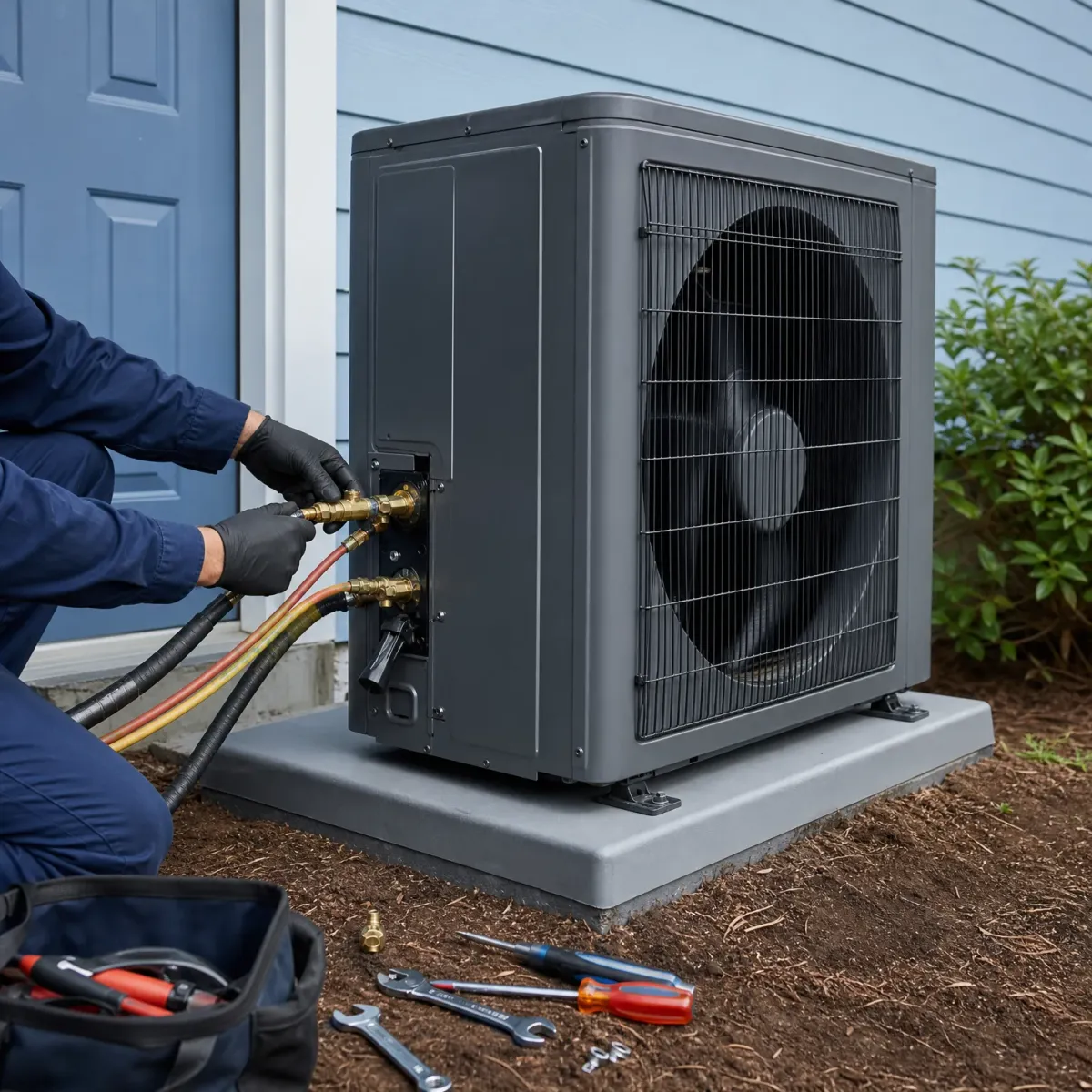
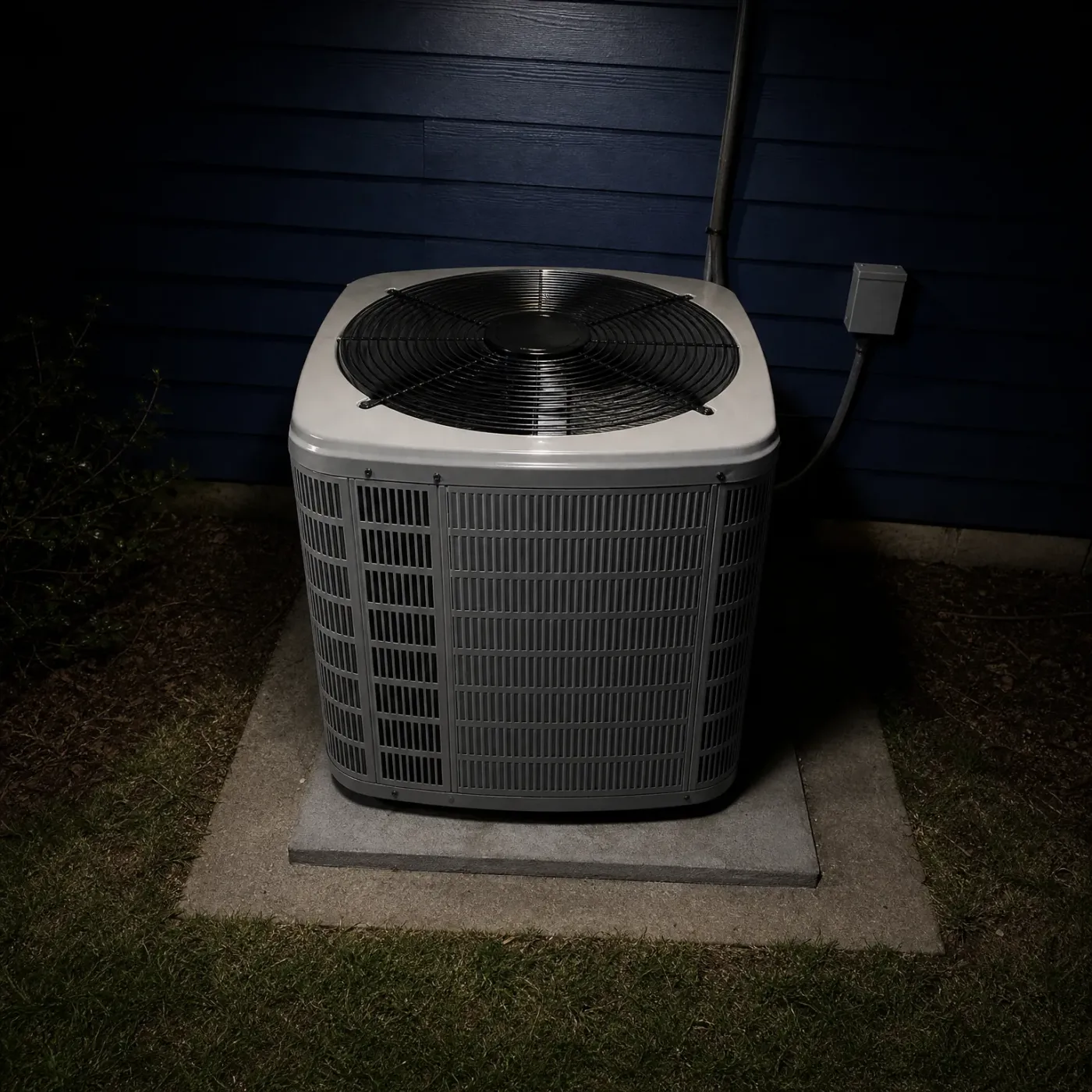
The cold goes further than that on about 6 nights a year, when it drops to 0°F or below. That's rare, not a running condition you plan a whole system around. A heat pump built to the ENERGY STAR Cold Climate spec is tested to hold at least 70 percent of its 47°F capacity at 5°F, and field tests of prototype cold-climate models found backup heat carried only a small share of the load between 0°F and 35°F, with the backup running alone rarely even near 0°F. A standard heat pump without that rating doesn't carry the same guarantee.