
Defrosting the way it should
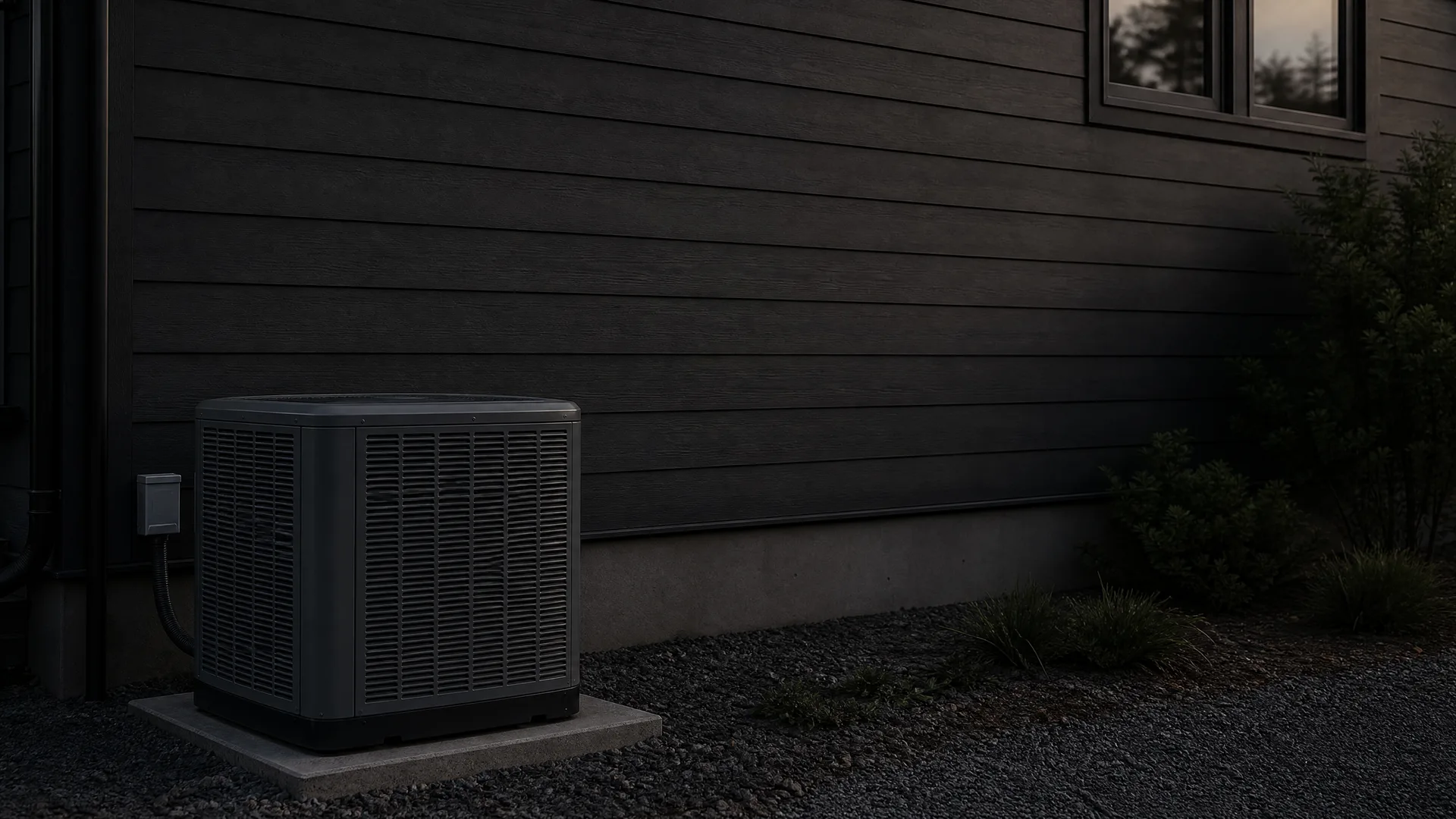
This is a heat pump cycling the way it's built to. The coil sheds its frost, the fan clears, and the unit sits clean on its pad with the lines running straight to the disconnect. Nothing here is fighting the cold.
Send the request and finding a pro stops being your problem.
Hand it offA heat pump in Butler County works hard once temperatures drop through the winter months, and some frost on the outdoor unit is normal. But when ice builds up and stays, or the system stops heating well, it usually means something is keeping the unit from defrosting itself the way it should.
Every heat pump grows a layer of frost on the outdoor coil when it's cold outside. It's supposed to. The system runs a defrost cycle every so often, switching briefly to cooling mode to melt that frost off, then switching back. That cycle freezing up usually comes down to one part failing: a stuck defrost control board, a bad sensor, or a fan motor that won't clear the ice once it melts. A thermostat set low enough that the system runs constantly without a break can cause the same buildup. Once ice covers the coil, the unit can't pull heat from the outside air, and the house falls behind on a cold Butler County night. Left alone, a frozen coil can strain the compressor.


The defrost cycle is what keeps a heat pump running through a Butler County winter without icing over. The outdoor coil gets cold enough to pull heat from the air, and that same cold surface collects frost the way a glass of ice water sweats in summer. To clear it, the system reverses itself the same way it does in cooling mode, sending hot refrigerant through the reversing valve out to the coil instead of the house. The outdoor fan shuts off so it isn't blowing cold air across a coil that's trying to heat up. A sensor clipped to the coil is what tells the control board when there's enough ice to justify a defrost cycle, rather than running it on a blind timer alone. Once the coil reads clear, or a set number of minutes passes, the system flips back to normal heating and the fan starts again. While this is happening, the house is getting no heat from the outdoor unit, so backup heat, whether that's electric strips or your gas furnace, often carries the load for those few minutes. If the sensor fails, or the reversing valve sticks, the cycle can skip, run too short, or never trigger at all, and that's when frost turns into a block of ice that doesn't come off on its own.




A heat pump that stays iced over in a Butler County cold snap is not going to clear itself, and running it that way can damage the compressor. Figuring out whether the problem is a stuck reversing valve, a bad defrost sensor, or a coil too dirty to shed heat takes someone who can look at the unit, not someone guessing over the phone. That usually means searching for a contractor who works on heat pumps specifically, calling a few, explaining the ice buildup and the sounds it's making each time, then waiting on quotes to compare. With single-digit nights ahead and the system your only heat, that's time you may not have. Send the request above and that search is done. One contractor who works on heat pumps in Butler County gets your information and takes it from there, so you're not the one tracking down who can get to a frozen unit before the next cold front.

This is a heat pump cycling the way it's built to. The coil sheds its frost, the fan clears, and the unit sits clean on its pad with the lines running straight to the disconnect. Nothing here is fighting the cold.

Rust on the grille and dirt built up around the base tell you this unit has been working harder than it should for a while. A coil in this shape holds heat poorly, and that's often what pushes the defrost cycle to fail and ice to set in for good.


Once ice builds past what the defrost cycle can clear, the heat pump leans harder on backup heat, and your electric bill carries the difference.
Searching listings, calling around, and explaining the same ice problem twice takes time you'd rather not spend while the house sits cold.


Winter nights average 24°F
Overnight lows averaging 24°F through December, January and February mean the coil is making ice on most nights, not just the occasional cold snap.
Heat runs October through April
Heat runs October through April here, so the outdoor unit is cycling through defrost for about seven months, giving a failing sensor or board that many months to fall behind.
Cooling runs June through September
Cooling only runs June through September, which means the same outdoor unit sits through roughly twice as many cold months as warm ones.
NOAA nClimDiv 1991-2020
A heat pump that freezes up in Butler County winters is telling you something specific: the defrost cycle isn't keeping pace with how cold and how often it has to work between October and April. Thin frost that melts off on its own is normal. Ice that stays, or comes back within hours, means a sensor, a reversing valve, or a defrost board needs a look, and that's a repair, not something that clears up with a warmer afternoon. Left alone, the coil stays blocked, the system leans on backup heat, and the electric bill carries that weight all winter. You don't have to spend an evening searching listings, calling contractors one by one, and repeating the same explanation of what your unit is doing until someone can fit you in. Send the details once, and the work of finding someone qualified to look at your system is no longer on your plate. What's left is straightforward: get the coil clear and the defrost cycle working the way it's supposed to, before the next cold night piles on more ice.
Describe your heat pump job once, to one pro.